In a nutshell
- 🌿 Synergy that heals: Aloe vera polysaccharides hydrate while raw honey acts as a powerful humectant, easing irritation and reducing TEWL with a light, soothing film.
- 🧪 Deep moisture mechanism: a three-step stack—humectant intake (aloe + honey), film formation, and an occlusive seal—supports barrier repair and reorganises lamellar lipids overnight.
- 🥄 Simple method: mix 1 tsp aloe gel + 1/2 tsp raw honey (optionally a drop of squalane), apply thickly, then seal with petrolatum or lanolin; rinse in the morning and repeat for 2–3 nights during flare-ups.
- ⚠️ Smart safety: use alcohol-free aloe, avoid honey if allergic to bee products (swap in glycerin), skip on cold sores; persistent corner splits may signal angular cheilitis—see a GP; daytime protection with SPF is essential.
- ✨ Visible results: softer, plumper lips with fewer flakes by morning, improved make-up glide, and longer-lasting comfort; customise with a touch of ceramides or finely milled oat for extra calm.
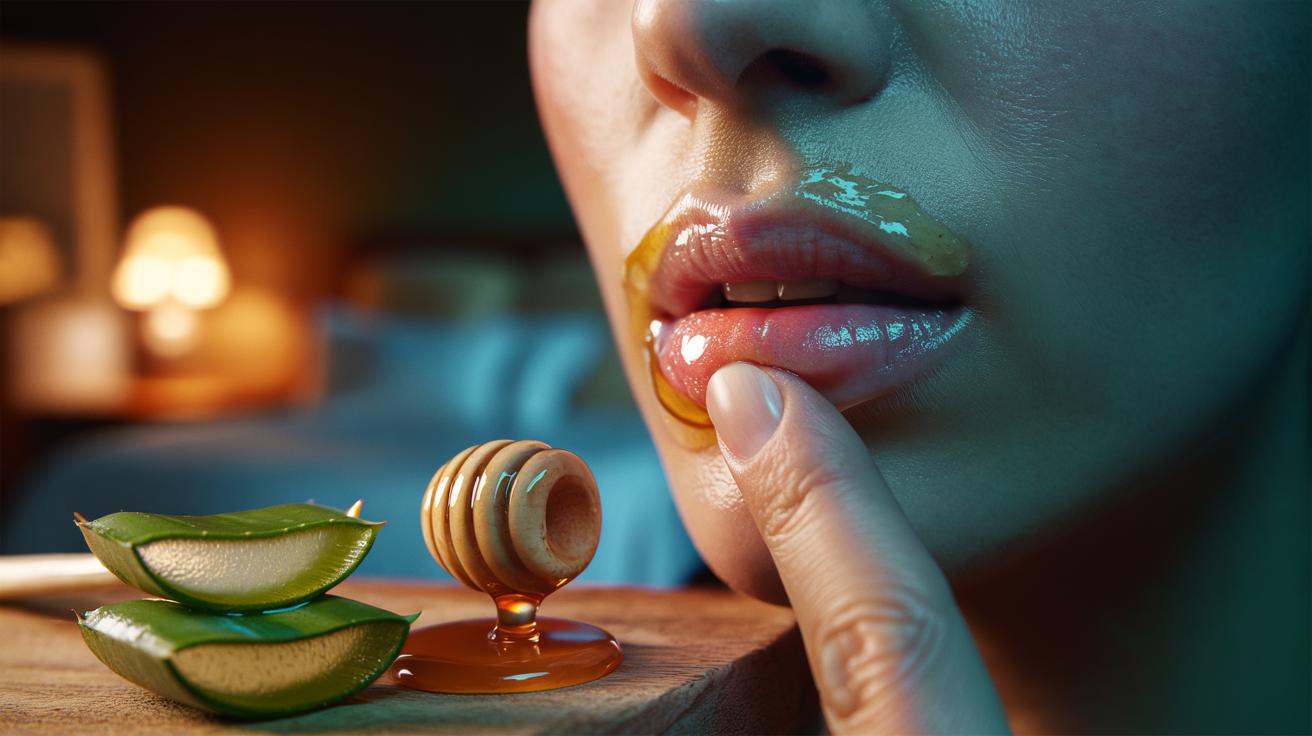
When winter wind or indoor heating strips your lips to papery shreds, the fix isn’t a fancier lipstick but a kitchen-shelf treatment with clinical logic. Blend fresh aloe vera gel with raw honey, smooth it on thick, then seal with a plain occlusive before bed. By morning, cracks soften, sting subsides, and that tight, flaky film lifts away. This works because the duo draws in water while forming a breathable film that slows escape. Instead of masking dryness, it teaches parched skin to hold on to hydration. Here’s how the mask heals chapped lips overnight—and how both ingredients lock moisture deep where it matters.
Why Aloe and Honey Work in Tandem
Aloe vera is rich in water-binding polysaccharides, including acemannan, that behave like a sponge across the lip’s thin stratum corneum. These sugars attract and retain moisture while soothing irritation linked to micro-fissures. Honey brings a complementary skill set: its concentrated sugars are powerful humectants that pull water to the surface, while its natural acids and enzymes support gentle exfoliation and a balanced pH. Together, they create a light film that improves glide, eases tightness, and tempers inflammatory flare-ups from windburn or compulsive lip-licking.
The secret is synergy: aloe hydrates fast; honey holds that hydration in place. The pair reduces trans-epidermal water loss (TEWL) without the waxy heaviness of some balms. Their gel-syrup texture settles into fine lines, softening scaly patches while keeping the surface supple enough to withstand overnight movement. Used under a simple occlusive, the effect is amplified, promoting a smoother, more resilient barrier by morning.
| Ingredient | Primary Function | How It Locks Moisture | Notes/Cautions |
|---|---|---|---|
| Aloe Vera | Soothing humectant | Binds water via polysaccharides; calms redness | Use pure gel (no alcohol) |
| Raw Honey | Humectant and gentle film former | Draws moisture; supports balanced pH | Avoid if allergic to bee products |
| Occlusive Topcoat | Sealant | Slows TEWL to keep hydration in | Petrolatum or lanolin work well |
How To Make the Overnight Mask
Blend 1 teaspoon of pure aloe vera gel with 1/2 teaspoon of raw honey until the mixture looks glossy. If you prefer extra slip, add a drop of squalane or a pea-sized dab of lanolin. Patch-test on the inner wrist first. Cleanse lips with lukewarm water, pat dry, then apply a generous layer, tracing slightly beyond the lip line where cracking often begins. This mask is not a lip balm; it is an intensive overnight treatment. Give it two minutes to settle so the sugars and polysaccharides can start binding water.
Now seal. Smooth a thin layer of a simple occlusive—petrolatum, lanolin, or a fragrance-free lip mask—right over the blend. Layering a sealant is the step that makes it work overnight. The occlusive slows evaporation and keeps the humectants from pulling moisture out of deeper layers into dry air. Leave on while you sleep. In the morning, rinse with tepid water, then press on a light balm to maintain gains. Use two to three nights in a row during flare-ups, then switch to maintenance once skin steadies.
The Science of Deep Moisture Locking
Lips lack oil glands, so they lose water fast and struggle to repair micro-cracks. Aloe dives in first with water-rich gels that hydrate the outermost cells and soften keratin plugs, while bioactive sugars help knit a more elastic surface. Honey then creates a supersaturated matrix that slows diffusion of water out of the skin, while its mild acidity supports a microbiome-friendly environment. This gives the lip’s fragile barrier time to reorganise its lamellar lipids, easing stinging and scaling.
Add an occlusive and you complete a three-part system: humectant intake, film formation, and evaporation control. That stack is why an overnight window is enough to see a visible shift. The blend cushions movement as you sleep, reducing mechanical stress that deepens fissures. Because the formula is aqueous rather than wax-heavy, it penetrates the fine lines unique to lip skin. The result by morning: improved plumpness, fewer flakes, and a surface that holds onto moisture through the day’s first coffee and commute.
Safety, Variations, and When To See a Professional
Choose pure aloe with no added alcohol or scent, and raw honey rather than heavily processed syrups. If bee products are a concern, swap honey for vegetable glycerin and add a light occlusive to compensate. Those on strong actives—retinoids or exfoliating acids—may find the mask particularly soothing, yet should avoid scrubbing beforehand. Do not use on active cold sores. For infants, avoid honey altogether; consult a healthcare professional for paediatric lip care.
Persistent splits at the corners can signal angular cheilitis or nutritional shortfalls; if cracking lingers beyond a week, seek advice from a GP or pharmacist. Hydration habits matter as much as any mask: drink water, address mouth breathing at night, and stop lip-licking cycles. For daytime, protect with an SPF lip balm to shield against UV-triggered dryness and colour change. Variations are simple: a drop of ceramide serum for barrier support, or a tiny pinch of very fine oat powder for extra calm—just keep the base aloe-honey ratio intact.
This humble mask succeeds because it respects lip biology: humectants to draw water in, a gentle film to hold it, and a seal to keep it from escaping before dawn. Results are tangible after a single night, and cumulative with a few sessions. Keep a small jar ready during cold snaps, flights, and air-conditioned office days. After your first test run, note how make-up glides and how rarely you reach for balm. What tweaks—different occlusives, a glycerin swap, or a touch of ceramide—will you experiment with to make the recipe your own?
Did you like it?4.5/5 (26)