In a nutshell
- 💧🧪 The cold water + alum powder combo acts as an astringent, creating instant, visible tightening that makes pores look smaller—purely a cosmetic, short-term effect.
- ❄️ Cold water induces vasoconstriction, reducing redness and shine while amplifying alum’s surface contraction; best used post-cleansing and before moisturiser, SPF, or makeup.
- 🧾 Method: dissolve ~1/8 tsp alum in 100–150 ml very cold water, apply as a 30–60 s compress, optionally rinse, then moisturise and use SPF; keep frequency to ≤3 times weekly.
- ⚠️ Safety first: alum can be drying; patch test, avoid eyes and broken skin, and discontinue if stinging persists—particularly if you have eczema, rosacea, or aluminium sensitivity.
- 🧬 Evidence snapshot: alum’s astringency is traditional and mechanistic, but pore-size trials are limited; for long-term refinement, add niacinamide, salicylic acid, or retinoids to your routine.
The internet loves a quick fix, and few are as buzzworthy as the cold water + alum powder trick. This simple pairing promises a fleetingly flawless look by tightening the skin’s surface and softening the appearance of enlarged pores. The science is partly classic skincare, partly kitchen chemistry: alum is a traditional astringent, while cold water triggers a reflex that makes skin look taut. Used sensibly, the duo can deliver an instantly refreshed complexion. It’s a cosmetic effect, not a cure for pore size, yet it can be a smart pre-makeup or post-cleansing step when done with care and attention to skin type.
What Is Alum and Why It Acts as an Astringent
Alum—most commonly potassium alum (potassium aluminium sulphate)—has a long history in grooming, from barbers’ styptic blocks to deodorant stones. As an astringent, it causes a temporary contraction of skin proteins, creating a firmer feel and a smoother look where texture is prominent. This protein-tightening effect helps reduce surface oiliness and the visibility of pores for a short period. Think of it as a gentle, momentary “shrink wrap” for the outermost skin layer, rather than a deep structural change.
The mechanism is straightforward: alum’s ions interact with keratin and lipids at the skin interface, encouraging tissue contraction and modest fluid reduction in the superficial layers. That’s why it’s used as a styptic—mild constriction helps slow pinpoint bleeding after shaving. For cosmetic use, low concentrations are key to avoiding dryness or sting. Small amounts go a long way, and the results are best when combined with cooling, which enhances that instant, bracing tightness.
The Cold Water Effect on Pores
Let’s split myth from reality: pores don’t open and close like doors. They do, however, appear larger when skin is warm, flushed, or congested with oil. Cold water triggers cutaneous vasoconstriction—narrowing of tiny blood vessels—which can reduce redness and puffiness. It also slightly increases the viscosity of sebum, making the skin feel smoother to the touch. The net effect is a more refined look, particularly around the nose, cheeks, and forehead where pores are most visible.
Cold temperatures augment alum’s astringency by compounding that surface contraction. A chilled compress or splash after cleansing can briefly re-tighten the stratum corneum, smoothing the micro-relief that makes pores catch the light. Consistency and timing matter: use the technique after washing when pores are free of debris, and before sunscreen or makeup to lock in a clean, matte canvas. Expect minutes to a few hours of cosmetic improvement, not a permanent change.
Step-by-Step Method: Cold Water + Alum Powder
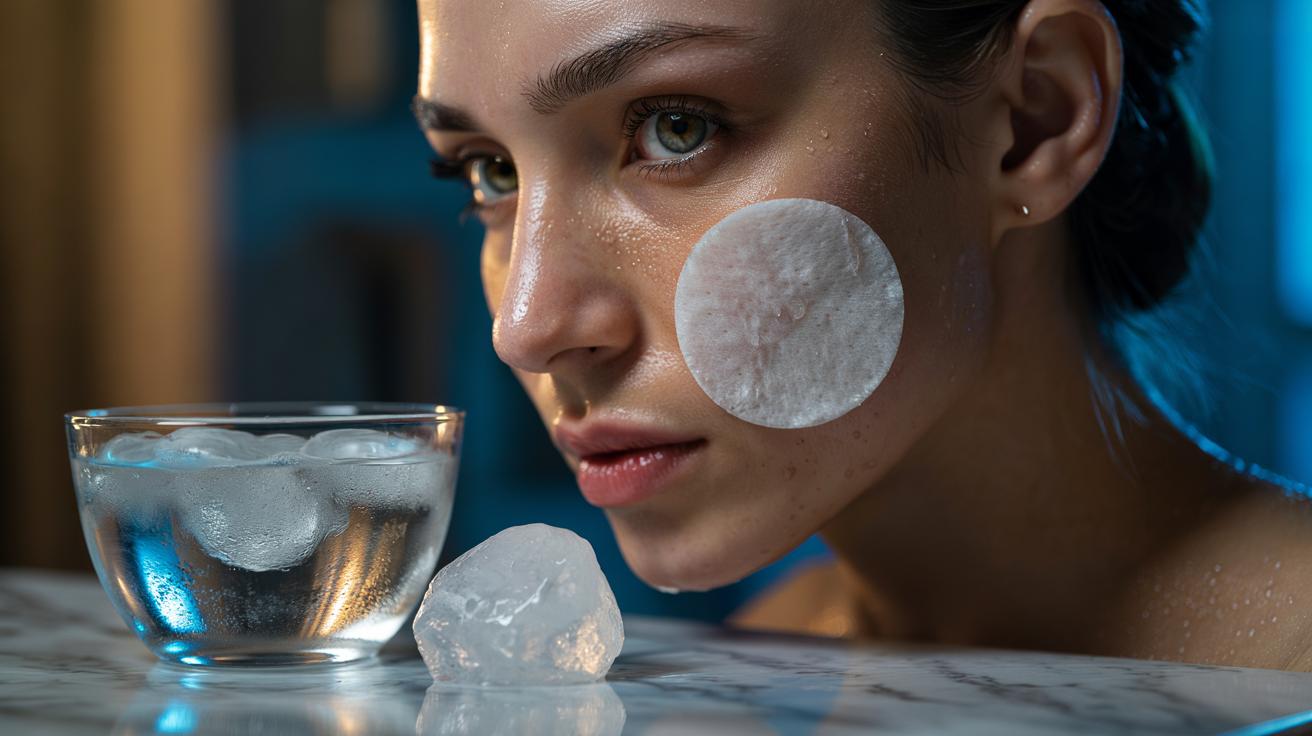
Start with a fresh, mild cleanse. In a clean cup, dissolve a tiny pinch—about 1/8 teaspoon—of alum powder into 100–150 ml of very cold water (add ice for a brief chill, then remove). Stir until it’s clear. Soak a cotton pad or soft cloth, wring it out, and press on areas with visible pores for 30–60 seconds, repeating once if desired. Avoid the eye contour and any broken skin. Rinse lightly with cool water if you’re sensitive, then apply a simple moisturiser and your usual SPF. Do a patch test on the jawline 24 hours before first use.
| Component | Role | How to Use | Cautions |
|---|---|---|---|
| Cold Water | Vasoconstriction, refresh | Apply as splash or compress for 30–60 s | Avoid prolonged ice contact |
| Alum Powder | Astringent, surface tightening | ~1/8 tsp in 100–150 ml water | Patch test; avoid broken/irritated skin |
| Moisturiser | Rehydrate, reduce tightness | Apply thin layer after compress | Choose non-comedogenic |
Use the method up to 3 times weekly, scaling back if tingling persists. Less is more: stronger solutions do not improve results and may provoke dryness. If stinging lasts beyond a minute, rinse and stop.
Safety, Skin Types, and Evidence
Alum is generally well tolerated in dilute topical use, but it can be drying. Those with eczema, rosacea, or very sensitive skin should proceed cautiously, and anyone with a known sensitivity to aluminium salts should avoid it. Perform a 24-hour patch test. Keep away from eyes and mucous membranes, and never ingest. Cosmetic tightening is temporary and should not replace a balanced routine. If irritation, scaling, or persistent redness develops, discontinue and consult a professional.
Evidence for alum’s astringency is longstanding and mechanistic; however, peer-reviewed trials on pore appearance are limited. Dermatologists often recommend ingredients with stronger data for long-term refinement—niacinamide, salicylic acid, and prescription retinoids. The cold water + alum trick sits in the “beauty hack” category: quick, low-cost, and useful before events. Its value lies in instant optics, not structural pore change, so expectations should be realistic and use conservative.
Used wisely, the cold water + alum powder method can streamline your pre-makeup prep, tamp down surface shine, and create the illusion of silkier skin without expensive gadgets. Treat it as a finishing touch in a routine anchored by thoughtful cleansing, hydration, targeted actives, and daily SPF. Keep concentrations low, contact times short, and moisture balanced to avoid rebound dryness. If you try it, note how your skin responds over a week or two and adjust frequency accordingly. What result are you hoping to see—instant camera-ready polish, or a longer-term soft-focus finish—and how will you tailor the routine to get there?
Did you like it?4.5/5 (21)