In a nutshell
- 🍯 A simple honey + cinnamon mask targets adult acne with antibacterial, anti-inflammatory, and humectant benefits; results vary and “three nights” is not guaranteed.
- 🧑🍳 Recipe and routine: mix 1 tbsp raw (ideally Manuka) honey with 1/4 tsp ground cinnamon; apply for 10–20 minutes nightly across a 3-night protocol, then rinse and use a light, non-comedogenic moisturiser.
- ⚠️ Safety first: patch test, stop if burning or hives, avoid if allergic to bee products/spices, with eczema, open wounds, or on isotretinoin/strong actives; keep the rest of your routine gentle.
- 🔎 Expectations: look for reduced redness and fewer superficial spots; cystic acne may need clinical care—see a GP/dermatologist if acne persists 6–8 weeks or scarring develops.
- 📊 Evidence check: Manuka honey shows activity against Cutibacterium acnes; cinnamon is antimicrobial in vitro, but ingredient variability (UMF/MGO, species) means the mask is a supportive adjunct, not a replacement for proven treatments.
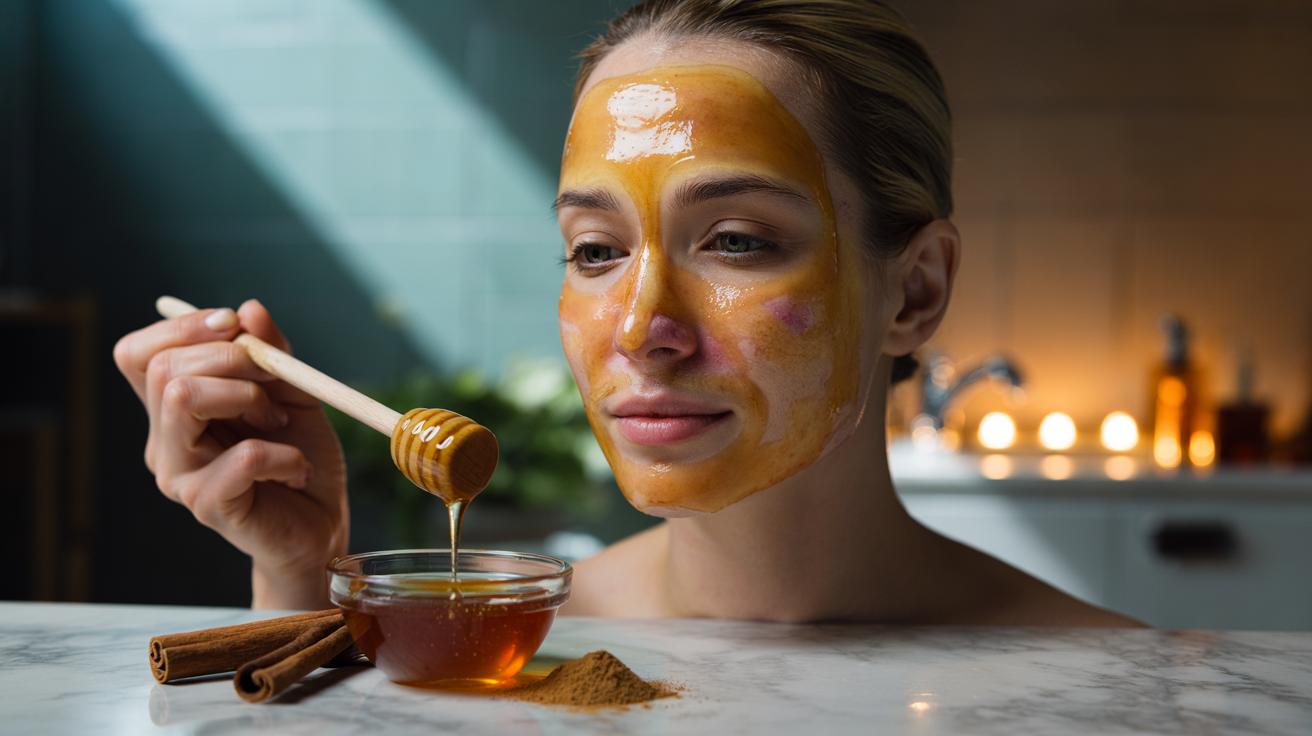
Natural beauty circles are buzzing about a simple kitchen remedy: a honey and cinnamon mask said to clear adult acne in just three nights. The promise is seductive for anyone juggling work, stress, and stubborn breakouts that don’t behave like teenage spots. As a UK journalist steeped in skincare reporting, I’ve sifted the claims, the science, and the cautionary tales. Honey brings soothing, humectant power; cinnamon brings spice and antimicrobial bite. Used thoughtfully, the pairing can calm angry flare-ups and support a compromised skin barrier. Yet every face is different, and perfection in 72 hours is rarely realistic. Here’s what to know before you try.
Why Honey and Cinnamon Appeal to Adult Skin
Adult acne often stems from a cluster of triggers: hormones, pollution, stress, and a weakened barrier. Honey offers three assets adult skin craves: antibacterial activity, anti-inflammatory comfort, and deep humectant hydration that doesn’t smother pores. Unpasteurised varieties, especially Manuka honey, contain methylglyoxal and enzymes that inhibit acne-causing bacteria while drawing moisture into the outer layer of skin. That can reduce tightness and flaking, two hallmarks of overtreated, adult complexions. By softening the stratum corneum without oil overload, honey helps skin look calmer and more resilient.
Cinnamon, typically ground Ceylon or cassia bark, contains cinnamaldehyde and eugenol, compounds shown in lab studies to limit microbial growth. It can stimulate surface circulation, giving a temporary glow that some mistake for overnight repair. Still, cinnamon is a spice with a fiery reputation. Those same actives can trigger irritation or contact dermatitis, especially on sensitive or rosacea-prone faces. That’s why a cautious blend with honey’s cushioning texture, and a strict patch test, matter more than the hype.
How to Make and Use the Three-Night Mask
Start with 1 tablespoon of raw honey (ideally Manuka MGO 100+ or UMF 10+) and 1/4 teaspoon of fresh, food-grade ground cinnamon. Mix until smooth. Cleanse skin gently, pat dry, then apply a thin, even film to breakout-prone areas. On Night 1, leave for 10–15 minutes; on Night 2, 15–20 minutes; on Night 3, up to 20 minutes if skin remains calm. Rinse with lukewarm water, pat dry, and follow with a light, fragrance-free, non-comedogenic moisturiser. If tingling intensifies into burning, remove immediately and stop the trial.
Keep the rest of your routine minimal—no exfoliating acids, retinoids, or scrubs during the three nights. Change your pillowcase, avoid touching your face, and log any reactions. Patch test first on the jawline for 24 hours. Do not use if you’re allergic to bee products or cinnamon, or if you have eczema, open wounds, or are on prescription acne treatments that already thin or sensitise the skin.
| Night | Contact Time | Optional Adjustments | What You Should Feel |
|---|---|---|---|
| 1 | 10–15 minutes | Add 2–3 drops water if very sensitive | Mild warmth, no stinging |
| 2 | 15–20 minutes | Keep mixture the same | Skin feels supple post-rinse |
| 3 | Up to 20 minutes | Spot-apply on inflamed areas | Redness looks slightly reduced |
What Results to Expect and When to Seek Help
Some will notice less redness and fewer surface-level pustules within three applications, largely thanks to honey’s anti-inflammatory sway. Oilier complexions may appear more balanced as the mask hydrates without adding occlusive oils. Expect gradual calming rather than a miraculous erasure of every blemish. Deep, painful cysts often resist home remedies and need clinical care. If your skin stings, develops hives, or flakes aggressively, discontinue and treat the area kindly with bland moisturisers until calm returns.
Consider professional help if acne persists beyond six to eight weeks, scars are forming, or breakouts disrupt your confidence. Your GP can rule out hormonal drivers and, if appropriate, refer to a dermatologist for tailored options—topical retinoids, benzoyl peroxide, azelaic acid, or oral therapies. Avoid the mask if you’re using isotretinoin, strong exfoliants, or have a known spice or bee-product allergy. Skin health thrives on consistency, not intensity, so prioritise a gentle routine and sun protection while you test any remedy.
Evidence Check: Tradition Meets Science
Laboratory data supports honey’s activity against Cutibacterium acnes, and Manuka’s methylglyoxal content appears particularly potent. Small clinical trials have explored medical-grade honey and kanuka blends for acne with encouraging, though not definitive, outcomes. Cinnamon’s essential components demonstrate antimicrobial effects in vitro, yet translating spice-rack powders into predictable, skin-safe treatments is complex. The bold “three nights” claim is anecdotal and not a guarantee, but the ingredients’ mechanisms do align with calming inflamed, superficial breakouts.
What’s missing is standardisation: honey varies by floral source and UMF/MGO rating; cinnamon differs by species and freshness. Patch testing and short contact times help navigate that variability. Think of this mask as a supportive, low-cost intervention, not a substitute for proven acne therapies when needed. Used prudently, it can serve as a soothing adjunct that buys time while you evaluate triggers—from stress to skincare overload—and pursue evidence-backed treatments if results stall.
Honey and cinnamon earn their reputation by pairing comfort with cleanliness, a welcome combo for complex adult skin. For some, three measured nights bring a noticeable softening of redness and fewer angry spots; for others, it’s a pleasant but modest assist. Your face is unique, and the smartest routine respects its limits while nudging it toward balance. If you try the mask, document the process, keep your routine simple, and listen closely to how your skin responds. What would your ideal three-night plan look like, and how will you decide whether this gentle experiment deserves a place in your rotation?
Did you like it?4.6/5 (27)