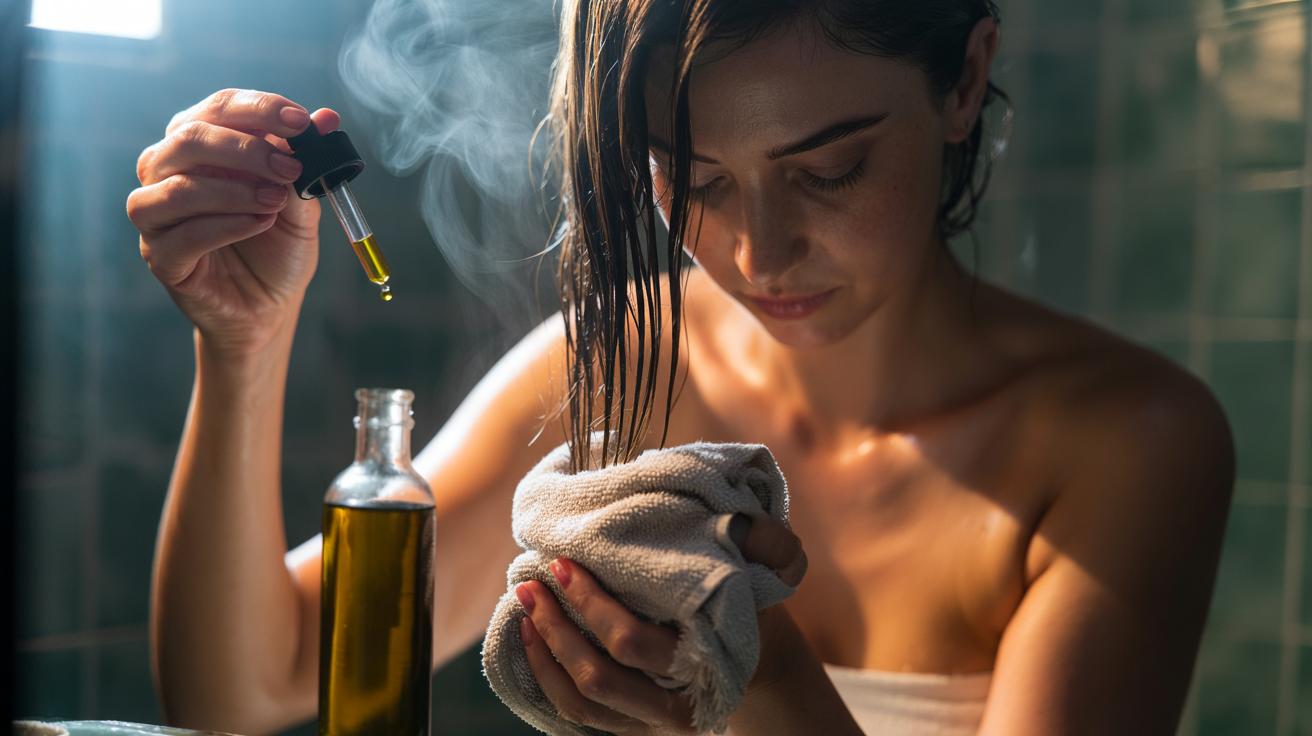
In a nutshell
- 💡 Temporary seal: Steam swells cuticles and resets hydrogen bonds while olive oil lays an occlusive film, aligning frayed tips for a smoother look without true repair.
- 🧴 How-to: On clean, damp hair apply 1–2 tsp olive oil to mid-lengths/ends, then wrap in a 45–50°C hot towel for 5–8 minutes; let cool fully and avoid rinsing for several hours, up to twice weekly.
- ✅ Suitability & safety: Best for high-porosity or coarse hair; fine/low-porosity types should use less oil and shorter steam; patch test, keep heat low, and avoid the scalp if sensitive.
- ⏱️ Longevity & care: Results typically last 24–72 hours; maintain with gentle detangling, balanced protein/conditioning, watch for hygral fatigue, and remember the only permanent fix is a trim.
- 🧰 Alternatives: Try lighter oils (argan, jojoba, squalane), silicone serums, or cationic leave-ins; add protective habits (silk pillowcase, microfiber towels), and book a dusting for persistent splits.
Split ends—those feathery white tips that fray and snag—can make even glossy hair look tired. While the only permanent fix is a trim, a heritage trick has regained traction: the olive oil hot towel. By pairing a light coat of extra-virgin olive oil with gentle steam, you can temporarily smooth ragged fibres and disguise broken tips between salon visits. This method does not fuse keratin or repair bonds; it uses moisture, heat, and a thin oil film to make damage less visible. Used thoughtfully, it softens, de-puffs, and adds slip without scorching. Here is how the steam “seal” works—and how to do it safely at home.
Why Steam and Olive Oil Seem to Seal Split Ends
Human hair is a keratin fibre protected by overlapping cuticle scales. Warm steam swells these scales and allows water to enter the cortex, making strands more pliable. As hair cools, temporary hydrogen bonds re-form in a slightly neater arrangement, helping frayed ends sit closer together. Meanwhile, olive oil—rich in oleic acid, squalene, and phytosterols—spreads into cracks and along the surface, forming a thin occlusive film that reduces friction. It is a cosmetic sleight of hand, not structural healing, but it can dramatically improve feel and appearance.
Optically, the oil’s film narrows the refractive-index gap between damaged keratin and air, so light scatters less and the ends look glossier and “sealed.” Capillary action plus gentle pressure from the towel helps the two halves of a split align. As the hair cools and dries, those re-formed bonds hold the tidier shape until your next wash. Expect the effect to last 24–72 hours, depending on porosity, humidity, and how often you touch or brush the ends.
Step-by-Step: The Olive Oil Hot Towel Method
Start with clean or lightly cleansed hair. Towel-dry until just damp. Warm 1–2 teaspoons of extra-virgin olive oil between your palms and smooth it through mid-lengths to ends, avoiding the scalp. Detangle gently with a wide-tooth comb to align fibres. If your hair is fine, use half the oil or mix 1:1 with squalane or jojoba for a lighter feel. Less is more; you are coating, not saturating. Clip hair loosely to keep tension minimal and prevent new mechanical stress on fragile tips.
Soak a microfiber towel in hot water (around 45–50°C), wring out thoroughly, and wrap it around the oiled lengths for 5–8 minutes. Rewarm the towel if it cools too quickly. Optionally, wear a shower cap under the towel to trap steam without drips. Unwrap, let hair cool completely, and air-dry or diffuse on the lowest heat. Do not rinse for several hours. Use this ritual up to twice weekly. Never use scalding water or direct high heat, which can cause cuticle lift and new damage.
Safety, Suitability, and Realistic Expectations
Coarse, dry, or high-porosity hair often gains the most from this technique, as it loses moisture easily and benefits from an occlusive topcoat. Fine or low-porosity hair may feel weighed down; keep the oil minimal and shorten steaming time. If you are sensitive to olives or have seborrheic dermatitis, avoid the scalp and patch test first. Avoid open flames and very hot tools near oiled hair. If you blow warm air over the towel, hold the dryer 15–20 cm away on a low setting for 1–2 minutes to refresh steam, not to cook the fibre.
Set expectations: no topical will permanently repair a true split. The hot-towel seal works by alignment, hydration, and optics, helping strands glide and tangle less so they break less. Pair it with micro-trims every 8–12 weeks, gentle detangling, and a balance of protein treatments and conditioning to strengthen and plasticise the fibre. Watch for signs of hygral fatigue (persistent mushiness, stretchiness) and reduce water exposure time if noted. Frequency should be guided by feel, not habit.
Who Benefits, How Long It Lasts, and Alternatives
Results vary with cuticle condition and hair density. Typically, the smoother look lasts one to three days or until your next shampoo. For very fine hair or styles needing volume, swap olive oil for lighter options or finish with a dab of silicone serum on the tips to keep movement. If your ends feel coated or limp, shorten the steam window and halve the oil. For persistent white dots or feathering, book a dusting trim: removing the compromised centimetre stops splits from creeping higher.
| Hair Type/Condition | Likely Result | Contact Time | Caveats |
|---|---|---|---|
| High-porosity, coarse, curly | Softer curl tips, reduced frizz | 6–8 minutes | Layer a leave-in under oil for extra slip |
| Fine or low-porosity | Shine, possible weight-down | 3–5 minutes | Use lighter oils or serum; apply sparingly |
| Color-treated/blonded | Noticeable smoothing | 5–7 minutes | Keep heat low to avoid cuticle lift |
Smart substitutions: argan or jojoba for a lighter finish; squalane for fast absorption; dimethicone/amodimethicone serums for high-gloss sealing; and cationic leave-ins (e.g., behentrimonium methosulfate) to smooth charge. Protective add-ons—silk pillowcases, microfiber towels, and avoiding rough brushing—extend the cosmetic “seal.” If ends are brittle, a gentle bond builder can improve resilience before the next trim.
The olive oil hot towel is a practical stopgap: steam aligns, oil coats, and light reflects more evenly, so broken tips look calmer and feel softer. It is a short-lived illusion that buys time, not a cure. Use it when you need polish before an event, or between trims while you grow your hair. With sensible heat, conservative oil, and the right aftercare, the trick can be both kind and convincing. How will you tailor the steam-and-oil routine—lighter oils, shorter wraps, or a silicone finisher—to suit your hair’s mood this week?
Did you like it?4.5/5 (28)