In a nutshell
- 🐌 Caffeine acts as a contact irritant and neurotoxin on slugs’ permeable skin, triggering mucus loss, dehydration, and fast retreat; dose determines deterrence versus lethality.
- ☕ Build a used coffee grounds ring 2–3 cm wide with dry, fluffed grounds; reapply after rain, keep off stems, and prioritise pet safety by preventing ingestion.
- 🔬 Concentration matters: 1–2% sprays can be lethal, while grounds deliver lower, brief contact that repels; efficacy is short-lived and weather-dependent.
- 📉 Manage risks: avoid thick layers that cause hydrophobic crusting or seedling stress; incorporate excess into compost to protect soil health.
- 🛡️ Combine tactics: pair coffee rings with copper tape, UK-approved ferric phosphate baits, raised beds, and tidy watering to create a resilient, low-impact slug strategy.
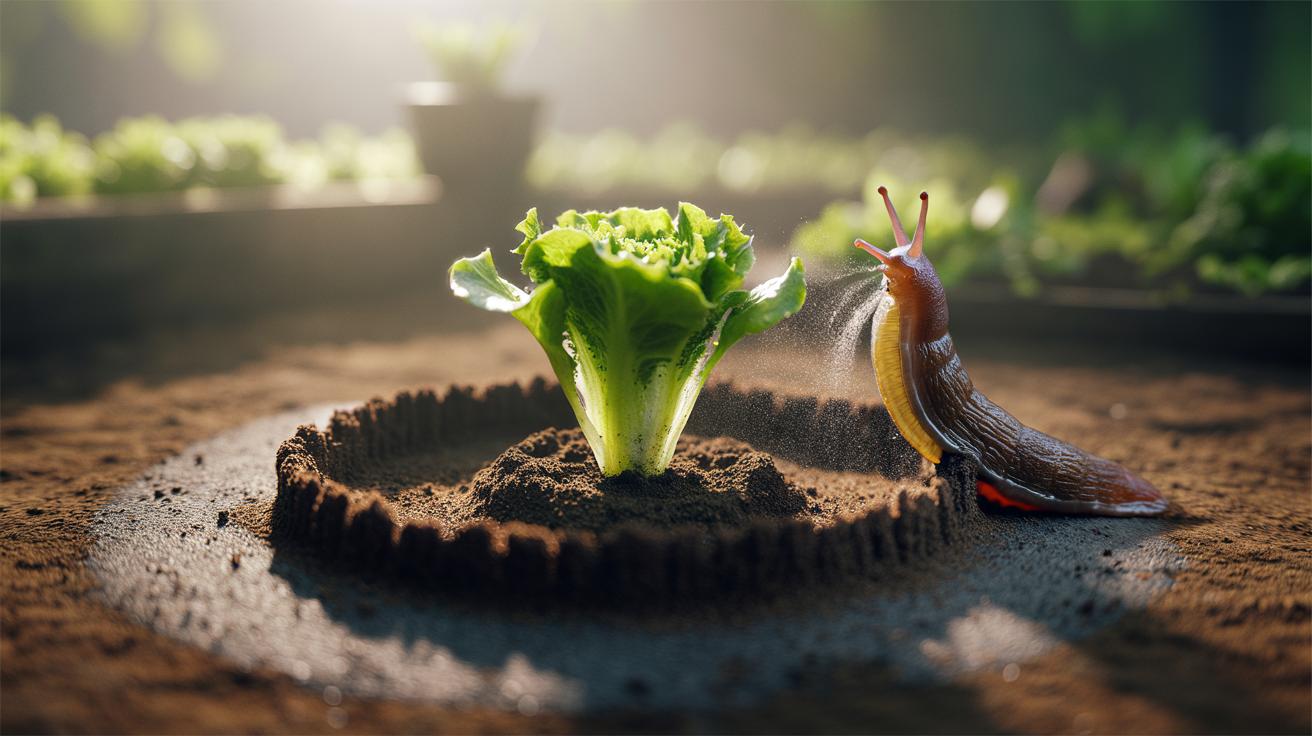
Slugs can strip tender seedlings overnight, leaving UK gardeners desperate for humane, low-cost defences. One tactic is gaining fresh attention: a ring of used coffee grounds sprinkled around vulnerable plants. Gardeners report quick retreat, claiming that caffeine in the grounds acts like a contact irritant that damages slug skin and rapidly dehydrates the animal. Science does back part of the picture: caffeine is a neurotoxin to slugs and snails, and contact exposure can be severe at sufficient concentrations. But how does a simple ring of grounds achieve this effect, how reliable is it in British weather, and what are the risks to soil life? Here is a clear, evidence-led guide to what works, what doesn’t, and how to use coffee responsibly in the garden.
How Caffeine Affects Slugs’ Skin
Slugs have a permeable integument that constantly exchanges water and ions with their environment. When they touch caffeine, it penetrates rapidly, stimulating excessive mucus production and disrupting neuromuscular signalling. The result is severe water loss and stress. At higher doses, the compound behaves as a contact toxin that can lead to immobilisation and death. In practical terms, the abrasive texture of grounds also scrapes and dries the slime layer, while residual acids and polyphenols add a mild chemical barrier. This combination—abrasion, osmotic stress, and caffeine’s pharmacological impact—explains why slugs recoil so quickly when they hit a coffee ring around a plant.
There is an important nuance: the dose makes the difference between discomfort, deterrence, and lethality. Research on slugs and snails shows that solutions around 1–2% caffeine can kill; weaker exposures tend to repel or slow feeding. Used grounds contain far less caffeine than lab sprays, yet the intense, local contact at the soil surface can still be enough to trigger a retreat. Rain dilutes the effect, though, and results vary by slug size and species. That means consistency depends as much on maintenance as on chemistry.
Making a Protective Coffee Grounds Ring
For small beds or containers, apply a narrow ring—about 2–3 cm wide—of dry, used coffee grounds around seedlings or salad rows. Keep the grounds fluffed rather than compacted, so the texture remains abrasive. Reapply after rain or heavy dew because moisture quickly blunts the physical and chemical edge. To avoid mould, spread fresh grounds on a tray to air-dry before use. Never mound grounds against stems, as concentrated layers can scorch sensitive tissue, and keep a slight gap so collars and crowns can breathe.
Pet safety matters: caffeine can harm dogs if ingested, so avoid using grounds where pets forage and sweep up spills. Mix only modest amounts into soil; thick layers may cause hydrophobic crusting and transient phytotoxicity in seedlings. Consider the ring as a tactical barrier deployed during peak slug pressure, not a permanent mulch. Combine with tidy watering routines—morning irrigation keeps evenings drier and less attractive to slugs—and remove dense groundcover that offers daytime refuges. In tight spaces, the coffee ring is quick, cheap, and surprisingly persuasive, provided you refresh it routinely.
Evidence, Concentrations, and Real-World Results
Laboratory and field observations align on one point: concentration matters. High-strength caffeine sprays (around 1–2%) can be lethal, while lower exposures repel or slow feeding. Used grounds occupy the middle ground. They rarely deliver the concentrations of lab solutions, yet they can deliver intense, brief contact right where slugs move. Gardeners notice the fast “flinch and retreat” response, especially in dry spells. Rain, dew, and irrigation degrade the effect within hours to days, so efficacy is episodic. Think of coffee rings as pulsed deterrents rather than set-and-forget shields.
| Material | Approx. Caffeine Level | Typical Effect on Slugs |
|---|---|---|
| Caffeine spray (1–2%) | High | Lethal/contact toxin; kills or immobilises rapidly |
| Caffeine spray (0.5–1%) | Moderate | Strong deterrent; reduced feeding, retreat |
| Used coffee grounds ring | Low–moderate (c. 0.2–0.6% residual) | Contact irritant; recoil, short-lived barrier |
| Decaf grounds | Trace | Minimal chemical effect; some abrasion only |
Outcomes vary by slug species, plant palatability, and microclimate. Pair the ring with cultural controls: evening hand-picking after rain, tidy borders, and reducing hiding places. Keep expectations realistic and track results; in wet weeks you may need to reapply daily.
Risks, Soil Health, and Smarter Combinations
Used grounds are not a miracle mulch. In high doses, phenolics and residual caffeine can briefly inhibit germination and root elongation in sensitive seedlings. Grounds are near-neutral in pH but can compact, creating a water-shedding crust that slows infiltration. Mix any surplus into a broader compost blend rather than layering thickly on beds. Earthworms tolerate modest amounts, but balance is key. As with many home remedies, dose and placement determine whether coffee acts as a help or a hindrance.
For robust protection, integrate the ring with other low-impact tools. Copper tape around pots provides a durable barrier. Ferric phosphate pellets are the UK-approved option for targeted baiting, breaking down into iron and phosphate after use. Beer traps can work, though they may attract slugs from beyond your boundary. Raised beds with clean edges reduce ingress. Above all, protect the crops slugs love most—lettuce, basil, hostas—during their tender stages, when losses hurt most and coffee’s short, sharp deterrent is most valuable.
Used coffee grounds offer a clever circular solution: a kitchen waste repurposed into a tactical slug barrier. The science explains the fast recoil—an abrasive texture and caffeine-driven stress—while field craft explains the caveats: rain diminishes effect, overuse can stress seedlings, and pets must be kept safe. Treat the coffee ring as a nimble, renewable line of defence during peak pressure, and fold it into a wider plan that respects soil health. What combination of barriers, timing, and plant choices will you test this season to keep slugs in check without compromising the living soil beneath your feet?
Did you like it?4.4/5 (26)