In a nutshell
- 🌿 A light sprinkle of wood ash gently raises soil pH via potassium carbonate, offering a milder alternative to lime while delivering plant-boosting potassium and some calcium.
- 🪵 Use only clean, untreated wood ash; avoid coal or painted/treated timber. Keep off acid-loving plants and potatoes, and handle carefully due to its alkalinity.
- ⏱️ Apply about 50–150 g/m² in late winter or early spring, spread evenly, and do not mix with ammonium fertilisers or fresh manure; a light sprinkle also benefits compost.
- 📊 Typical composition: neutralising value 25–60% (CaCO3 eq.), K2O 3–7%, and calcium 15–35%—enough for a gentle pH lift and a useful potash boost.
- 🔬 Test soil 2–4 weeks after application; aim for pH 6.5–7.0. Adjust rates by soil type, monitor crop response, and keep ash away from watercourses and paving.
Across Britain’s allotments and back gardens, the oldest trick for calming sour soil isn’t a bag of lime but a teacup of wood ash. A fine sprinkle, handled with care, can nudge acidic beds toward productivity while feeding plants a dose of potassium (often called potash). Unlike aggressive liming, ash works with a lighter touch, ideal for growers who want to correct pH without shocking soil biology or overshooting. Test first, dose lightly, then retest: that mantra keeps microbes happy and crops consistent. What follows is a practical guide to how potassium-bearing ash sweetens acid ground, what to use safely, and how to apply it for thrifty, measurable gains.
How Potassium Raises pH Gently
Garden wood ash contains a mix of alkaline carbonates and oxides, chiefly from calcium, magnesium, and potassium. When these materials meet acidic soil, they neutralise excess hydrogen ions, easing pH upward. Potassium arrives primarily as potassium carbonate (K2CO3), which dissolves readily and reacts swiftly. Because some alkalinity leaches quickly, the effect is often gentle and short-lived compared with ground limestone. That’s an advantage for growers aiming to fine-tune beds for vegetables that prefer a mildly acidic to neutral range, rather than pushing soil into stubborn alkalinity that’s hard to reverse.
Another benefit sits beneath our feet: exchangeable potassium supports flowering and fruiting while the carbonate portion reduces acidity. Calcium in ash also contributes to neutralising power, but at a lower overall “liming value” than agricultural lime. Think of ash as a light corrective and potassium feed rolled into one. Always check with a soil kit before and a few weeks after application, especially on sandy soils that change quickly and leach nutrients faster.
Sourcing and Safety: What Ash Is Fit for Soil
Not all grey dust is created equal. Only use ash from clean, untreated firewood or prunings. Never apply ash from coal, briquettes, painted or preserved timber, MDF, or glossy papers; contaminants and heavy metals are the wrong kind of lasting legacy. Store cooled ash in a dry, lidded bucket, and wear gloves and eye protection when handling—it’s strongly alkaline and dusty. Keep it away from children and pets, and avoid spreading on windy days.
Plant selection matters. Skip ash around ericaceous favourites—blueberries, rhododendrons, azaleas, and camellias—which crave acidity. Potatoes are another caution: higher pH can encourage common scab, so reserve ash for fruit beds, brassicas, and general veg borders, not your spud patch. Where slugs are rife, ash can deter briefly, but rain ends that effect quickly. Moderation prevents salt buildup and keeps soil life from taking a hit; light, infrequent dressings beat one heavy dose every time.
Practical Application in UK Gardens
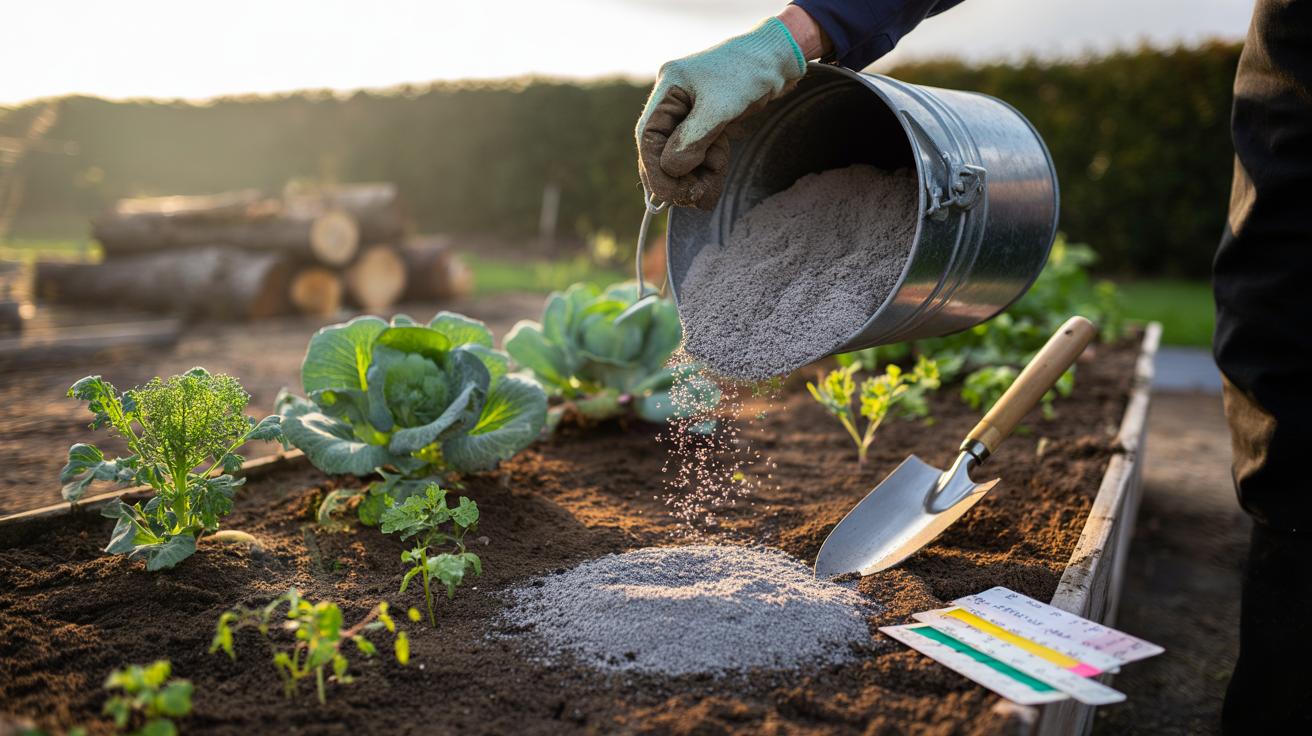
For a typical vegetable bed, a safe starting rate is about 50–150 g per square metre, brushed or forked into the top few centimetres. Aim for late winter or early spring when beds are workable and rain can settle the dust, but avoid frozen or waterlogged soil. Do not combine ash with ammonium-based fertilisers or fresh manure, which can volatilise nitrogen and squander nutrients; leave a fortnight between applications. If your initial pH is already near 7, skip ash and save it for compost, where a light sprinkle helps balance acidity and adds potash.
Spread evenly, never in heaps—clumps can scorch young roots. Keep off foliage and sowing drills, and water in if conditions are dry. Lawns are a poor candidate because ash is patchy and high-pH pockets can encourage moss. Brassicas appreciate the lift toward neutral, as do fruiting crops that benefit from potassium. Small, regular checks with an inexpensive pH kit keep you in the sweet spot for steady growth and fewer nutrient lockouts.
| Item | Typical Range | What It Means |
|---|---|---|
| Neutralising value (CaCO3 equivalent) | 25–60% | Milder than lime; raises pH gently |
| Potassium (as K2O) | 3–7% | Boosts flowering and fruiting |
| Calcium | 15–35% | Contributes to acidity neutralisation |
| Recommended rate | 50–150 g/m² | Light, even dressing, then retest pH |
| Do not use on | Blueberries, rhododendrons, potatoes | Acid-lovers and scab-prone crops |
Measuring Impact: pH, Nutrients, and Crop Response
Soil chemistry shifts over weeks, not hours. After applying ash, wait two to four weeks and sample again at spade depth for a credible reading. Aim for pH 6.5–7.0 in most vegetable beds, nudging with thin dressings rather than swinging wildly. On light, sandy soils, ash’s alkalinity and potassium can wash through quickly, so smaller, spaced applications make sense. On heavier loams and clays, change is steadier; compost additions help buffer both pH and moisture, complementing ash’s quick effect.
Watch the plants as much as the meter. Brassicas should show sturdy, blue-green foliage; tomatoes and soft fruit respond with better blossom set where potassium was lacking. If leaves edge-scorch or growth pales after heavy rain, you may have overdone alkalinity or diluted available nitrogen—pause ash and correct with balanced feed once pH is stable. Keep ash away from watercourses and paving; it is slippery when wet and can alter runoff chemistry in concentrated amounts.
Used with a steady hand, a simple wood ash sprinkle sweetens acidic soil and slips in a valuable shot of potassium—a thrifty, circular fix for UK gardeners who burn logs or prune trees. Think of it as a scalpel, not a sledgehammer: light, targeted, and verified by testing. Store it clean and dry, avoid acid-lovers and potatoes, and let compost share the bounty when beds don’t need a pH lift. Where could a careful ash dressing unlock better flavour, yield, or resilience in your plot this season?
Did you like it?4.6/5 (20)