In a nutshell
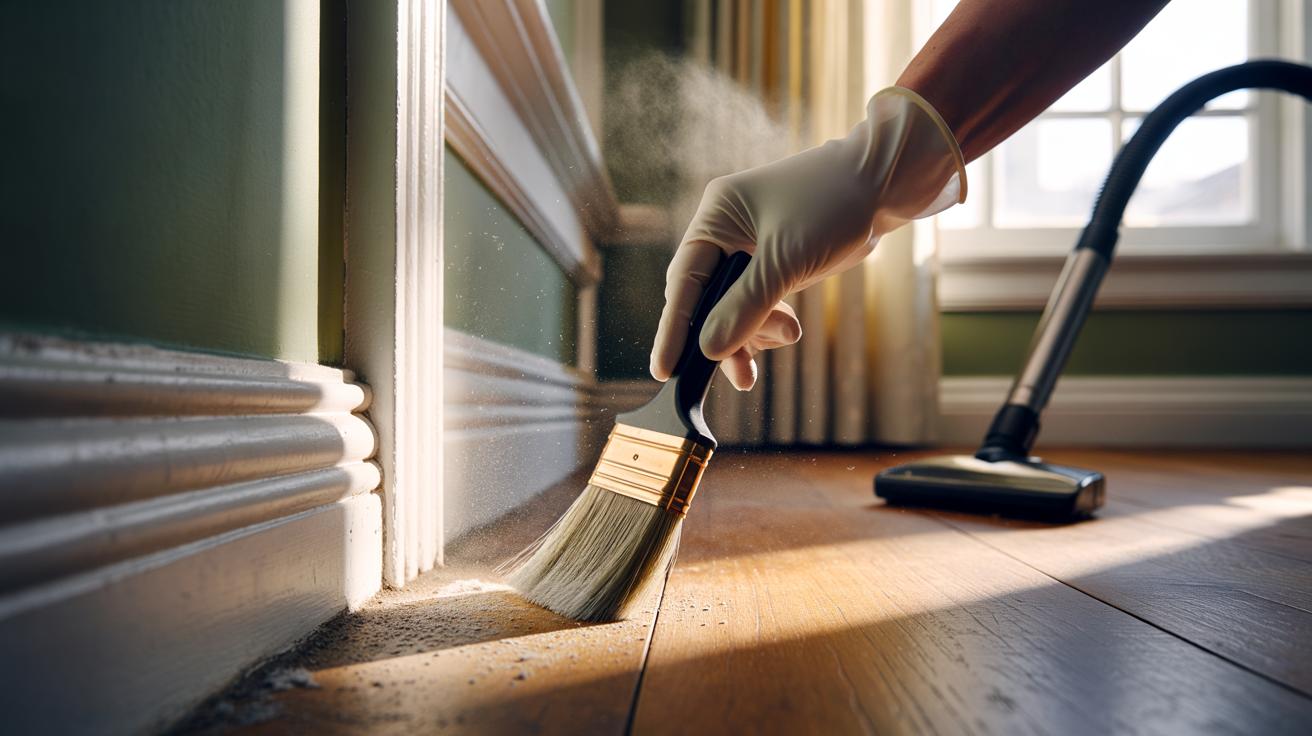
- 🧹 Pros swear by a £2 soft‑bristle paintbrush for dusting tight corners, skirting mitres, radiator fins, and picture rails with precision that bulky dusters can’t match.
- 🎯 The brush’s flagged tips grab fine debris; use short, angled strokes while pairing with a vacuum crevice tool to capture dust instead of spreading it.
- 🛒 Buy a 1–2 inch soft synthetic brush with a smooth ferrule from discount stores or DIY chains; skip stiff masonry brushes to avoid scuffs.
- 🧼 Maintain performance by tapping out dust, washing bristles with mild detergent, drying shaped, and storing dry; keep separate brushes for kitchens and bathrooms.
- 🔧 Smart upgrades: add a telescopic pole for high cornices, a silicone guard for delicate gloss, and a slightly damp microfibre finish to prevent re-dusting.
Ask any seasoned cleaner for their quietest hack and they’ll likely pull a humble brush from their apron: a £2 soft‑bristle paintbrush. It looks unassuming. It performs beautifully. In window rebates, radiator fins, skirting mitres, picture rails, and the cobwebby meeting of ceiling and wall, this little tool moves like a calligrapher’s pen, flicking out dust others merely push around. It’s a precision duster that reaches where bulky heads can’t and where vacuum crevice tools just won’t fit. Better yet, it plays well with the kit you already own, turning awkward corners into quick, clean wins.
Why a £2 Paintbrush Beats Fancy Dusters
The secret is in the bristles. A soft, flagged-tip paintbrush has thousands of feathered ends that grab onto fine debris rather than blasting it into the air. The small profile guides you into tight angles — think sash window locks, picture frames, keyboard crevices — while the slender ferrule lets you steer with fingertip control. In practice, this means less smearing, less sneezing, and fewer passes to get a corner truly clean.
Precision is faster than size when you’re fighting compacted dust. Instead of waving a large duster near a problem area and hoping for the best, the brush lets you score the seam, lift the dirt, and present it to a vacuum nozzle or microfibre cloth. Pros love its economy: if resin or paint builds up, they retire it to grimier duties and replace it for the price of a coffee. The tool’s lightness also reduces fatigue on long jobs. Cheap, nimble, reliable — the trio that keeps schedules on time.
How Professionals Use the Brush in Tight Spots
Method matters. Start with a vacuum running nearby; park the crevice attachment within easy reach. With your £2 detail brush in one hand and the vacuum in the other, work high to low so gravity helps rather than hinders. Tease dust away from edges using short, angled strokes, guiding debris toward the nozzle rather than scattering it. On delicate surfaces, rest the ferrule against your finger to create a soft stop and avoid scuffs.
For ceiling corners and cornices, gently spiral from the outside in, then finish with a single assertive sweep into the vacuum. On skirting board mitres and staircase spindles, use the brush to break the bond between dust and paint film, then wipe with a slightly damp microfibre to capture residue. Radiator fins respond best to a slow pull-through while the vacuum draws air behind it. Dust should be captured, not redistributed. If static is a problem on plastics, a light mist on the bristles — water with a drop of mild detergent — tames flyaway particles without wetting the surface.
Buying Guide: What to Look For and Where to Find It
Look for a 1–2 inch soft-bristle paintbrush with flagged synthetic bristles (nylon or polyester), a smooth ferrule, and a comfortable handle you can choke up on. Avoid stiff masonry brushes and anything with sharp metal edges that might mark paint. Many high-street and trade shops carry budget brushes that excel at dusting despite being sold for decorating.
| Where to Buy | Typical Price | Brush Traits | Notes |
|---|---|---|---|
| Discount stores (e.g., Pound shops, B&M) | £1–£2 | Soft, flagged tips | Great for general detail dusting |
| DIY chains (e.g., Screwfix, Toolstation) | £2–£4 | Better ferrule finish | Durable, fewer stray bristles |
| Supermarkets/home aisles | ~£2 | All-purpose soft brush | Easy add-on in weekly shop |
Two extras help. First, a narrow crevice tool for your vacuum to catch dislodged fluff. Second, a lint-free microfibre to finish. Spend the money you save on a better cloth, not a fancier duster head. If your work includes antiques or pianos, consider a super-soft camel-hair artist’s brush as a companion piece, but keep the £2 brush as your go-to workhorse.
Care, Hygiene, and Smart Upgrades
Maintenance keeps performance sharp. Tap the brush against the vacuum after each room. For a deeper clean, swish the bristles in warm water with a drop of washing-up liquid, rinse until clear, then wrap in paper to reform the shape as it dries. Never store it wet, and don’t leave it crushed under heavier tools; deformed bristles lose their edge. A labelled zip bag prevents cross-contamination between bathrooms and kitchens.
Simple upgrades multiply utility. Slide a short length of silicone straw over the ferrule edge to soften contact on gloss paint. Tape the handle to a light telescopic pole for cornices and high picture rails — a boon in tall Victorian homes. A mist of anti-static spray on the cloth you follow with will slow re-dusting on plastics and screens. Small tools earn their keep when they’re always to hand. Keep one brush in the cleaning caddy, one clipped near your desk for keyboards and vents, and swap them out the moment bristles splay.
For all the gadgets we’re sold, it’s often the modest fixes that raise the finish from tidy to immaculate. The £2 soft-bristle paintbrush is a professional’s way of making corners, cracks, and carved details look newly installed, not merely wiped. It adds speed, accuracy, and surprising satisfaction to routine cleaning. Precision beats brute force in domestic care. Will you try a pocket-size detail brush on your next clean, and if you do, which neglected corner of your home will you conquer first?
Did you like it?4.4/5 (27)