In a nutshell
- 🚀 Fast, fragrance-free refresh: baking soda (sodium bicarbonate) quickly neutralises pet odours in carpets without masking them, making it a trusted, low-fuss go-to for UK owners.
- 🧪 How it works: Its mild alkalinity and pH buffering reduce volatile smells, while fine crystals provide light adsorption that traps moisture and scent compounds.
- 🧹 Proven method: Vacuum first, sprinkle 30–50 g/m², allow 15–30 minutes dwell time (longer for tough spots), keep pets away, then vacuum slowly—never wet the powder and always blot fresh accidents first.
- 🛡️ Safety and limits: Generally safe when used sensibly; test delicate fibres, avoid dust plumes, and remember it’s not a disinfectant or stain remover—deep urine odours may need an enzymatic cleaner or professionals.
- ♻️ Cost and eco perks: At pennies per square metre, it offers low cost, low VOC impact, minimal packaging, and relief for fragrance-sensitive homes—ideal for quick, frequent touch-ups.
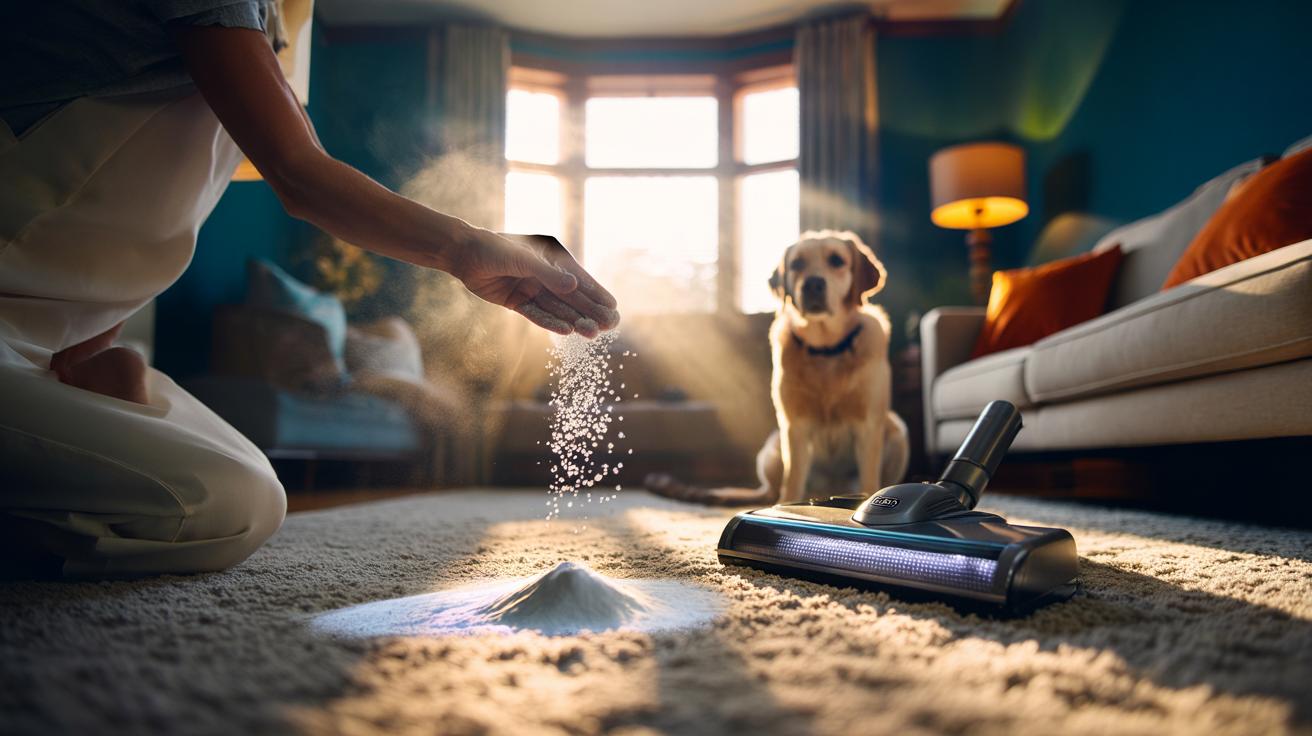
Pet households know the dread of walking into a room and catching a lingering whiff after a playful afternoon or a late-night accident. That’s why so many UK owners reach for a humble box of baking soda. Low-cost, fragrance-free, and quietly effective, it can deodorise carpets without perfumes that overwhelm sensitive noses. Chemically called sodium bicarbonate, it doesn’t just mask; it tackles the source of smells. Used correctly, a quick sprinkle works astonishingly fast and is safe for most carpets. From puppy training slip-ups to wet-dog days, here’s why this pantry staple has become a trusted toolkit essential—and how to use it like a pro.
Why Baking Soda Works on Pet Odours
Sodium bicarbonate is mildly alkaline and excellent at neutralising odour molecules. Many household smells are acidic; baking soda’s gentle base reacts to reduce their volatility. When odours lean alkaline, its pH buffering action still dampens intensity. The powder’s fine, porous crystals also offer light adsorption, trapping scent-carrying compounds and moisture that help smells persist in carpet fibres. It doesn’t mask smells; it neutralises them at the surface where your nose notices. Crucially, the process is fast, so you can deal with the source before it migrates deeper into padding.
Pet-specific odours often combine sweat, oils, and breakdown products like ammonia. Baking soda helps curb the sharpness while absorbing humidity that amplifies the pong after a rainy walk. Because it’s fragrance-free, it won’t create a cloying blend of perfume and pet. For busy homes, that means quick refreshes after grooming sessions or crate-time accidents—no prolonged airing-out or chemical fog. Simple chemistry, light adsorption, and speed explain why owners swear by a swift, even sprinkle.
How to Use It: A Quick, Proven Method
Start by vacuuming to lift loose hair and grit; this exposes fibres so the powder can reach odours. Ensure the carpet is dry. Using a shaker or sieve, apply a thin, even layer—aim for 30–50 g per square metre for routine refreshes. Work it in gently with your hand or a soft brush to spread between fibres. Allow a reasonable dwell time: 15–30 minutes for everyday smells, longer for stubborn patches. Keep pets off the treated area until you’ve vacuumed thoroughly, especially curious cats and puppies.
Vacuum slowly in overlapping passes, then rotate 90 degrees and repeat. A machine with a HEPA filter and good agitation lifts powder from pile tips and deeper tufts. For severe odours, repeat once more rather than piling on too much at once. If the smell stems from a fresh accident, first blot out as much liquid as possible with plain paper towels, then apply baking soda. Do not wet the powder on the carpet; moisture can clump it and reduce pickup.
| Odour Source | Amount (per m²) | Dwell Time | Notes |
|---|---|---|---|
| Routine pet refresh | 30–50 g | 15–30 min | Light, even coat; vacuum twice |
| Fresh urine (after blotting) | 50–80 g | 30–60 min | Blot first; avoid wetting powder |
| Old embedded odours | 60–100 g | 60 min to overnight | May require repeat and enzyme wash |
| Wet dog smell | 40–60 g | 30–45 min | Ensure carpet is dry before applying |
Safety, Stains, and When to Try Something Else
Used sensibly, baking soda is generally safe for homes with animals. Still, avoid dust plumes when sprinkling, and consider a mask if you’re sensitive. Keep the box out of reach and discourage pets from licking treated areas. On delicate fibres—wool and silk—test a hidden patch first; sodium bicarbonate is gentle, but overzealous brushing can raise the nap. Take care with loop piles where powder can lodge more stubbornly. For vacuum maintenance, change bags and clean filters so fine powder doesn’t impede airflow.
Remember the limits: baking soda is not a stain remover, and it won’t undo dye transfer or tannin marks from tea, mud, or blood. Deep urine odours that have soaked through backing often need a targeted enzymatic cleaner to break down proteins. If mildew or microbial growth is suspected, consult professional cleaning; bicarbonate alone won’t sanitise. Baking soda is not a disinfectant and not a flea treatment. Think of it as your fast, first-line deodoriser—ideal before escalations.
Cost, Environmental Perks, and Real-World Results
One reason UK pet owners embrace baking soda is sheer value. A 1 kg box typically costs a few pounds, delivering dozens of whole-room refreshes at pennies per square metre. There’s no perfumed fog, no stickiness, and no residue that tempts animals to over-groom carpets. When compared with scented powders, the fragrance-free profile is a relief for households prone to headaches or allergies. Low cost, low fuss, high impact—that’s the appeal, especially in multi-pet homes where frequent touch-ups are non-negotiable.
Environmental upsides add weight: minimal packaging, low VOC impact, and no lingering synthetic aromas. You choose when and how much to use, so there’s less waste. For readers who run air purifiers, it pairs neatly: deodorise first, then let filtration handle the last trace. While no single product solves every mess, a quick sprinkle of baking soda can reset a room in minutes, giving you breathing space to plan deeper cleans if needed.
A box of baking soda won’t replace a professional when padding is saturated, yet as a daily defender it earns its spot in the cupboard. It brings quick wins, trims costs, and keeps homes comfortable for animals and humans alike. If you adopt a light, even sprinkle, allow proper dwell time, and vacuum well, pet odours stop ruling the room. The next time your carpet carries a hint of yesterday’s romp, will you reach for bicarbonate first—or do you have a different go-to method that works just as fast?
Did you like it?4.3/5 (29)