In a nutshell
- 🫓 Fresh soft bread works because its moist, viscoelastic crumb deforms around micro-fragments, creating mechanical interlock and light adhesion—stale bread crumbles and performs poorly.
- 🧤 Safety-first cleanup: wear gloves and closed shoes, remove large pieces, then press—never rub a folded slice of soft bread in overlapping passes, rotating to clean areas and bagging it immediately.
- 🧼 Hygiene and disposal: keep pets and children away, double-bag shards and bread, avoid standard vacuums; if used, choose a HEPA-equipped unit, then wash hands and inspect gloves.
- 🧩 Surface smarts: bread excels on tile, laminate, and sealed wood; for carpets use wide tape, and for grout or edges pair bread with painter’s putty or silicone putty; skip greasy or heavily soiled areas.
- 🔦 Finish well: wipe with a damp microfiber cloth, inspect under low, raking light from a torch, and confirm soles are clear—press, lift, inspect, bag is the rule.
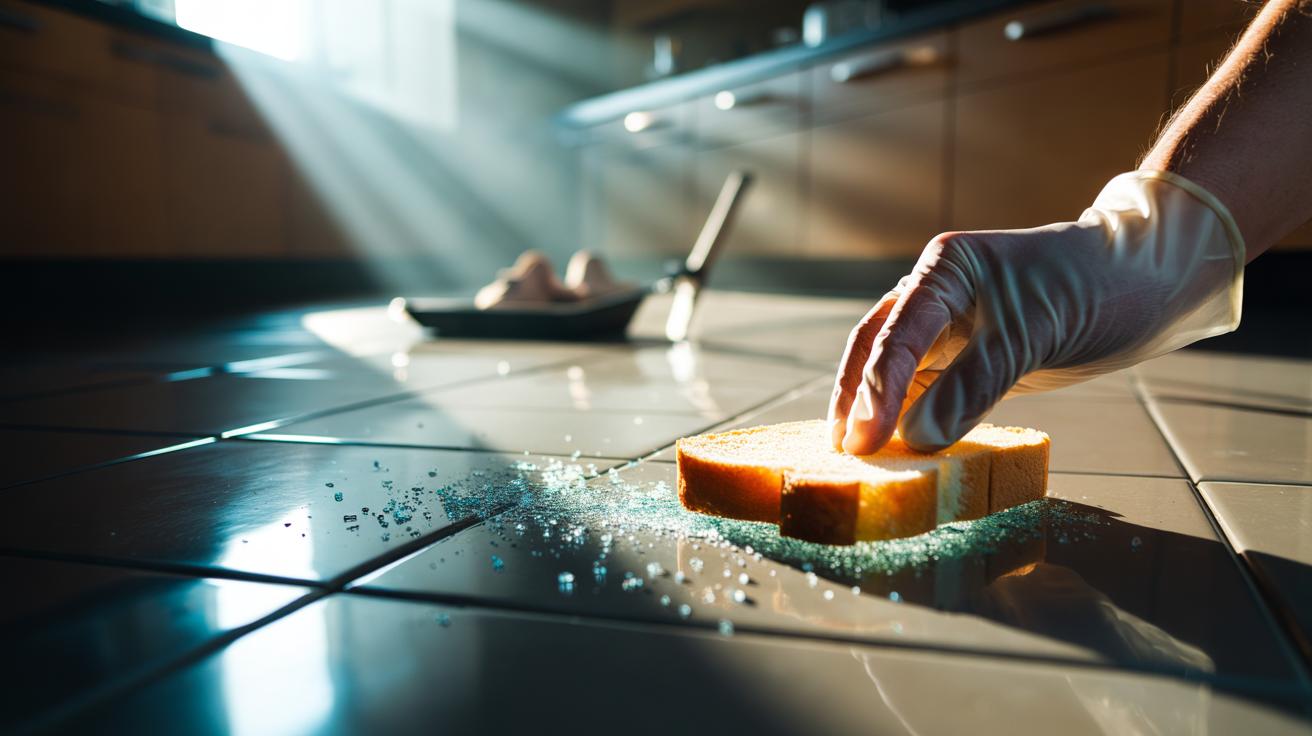
The moment a glass tumbles and shatters, panic tends to scatter alongside the shards. Hidden splinters lodge in grout lines, skitter beneath skirting boards, and resist the broom. Here’s where an old household fix proves itself. A slice of fresh, soft bread pressed gently onto the floor works like a tacky sponge, drawing up tiny glass shards without scratching surfaces. The trick hinges on moisture, pliability, and crumb structure. Press, lift, and discard—do not rub. With a few careful passes and sensible precautions, this quick method can tidy the accident scene and protect bare feet.
Why Soft Bread Captures Tiny Glass Shards
Fresh bread is a composite: a moist, elastic crumb supported by a web of gluten and starch. When compressed against a hard surface, that network deforms around micro-fragments. The pores act like thousands of tiny pockets, increasing contact area, while the slight dampness boosts adhesion. Glass, with its smooth surface and low friction, nests into the crumb matrix where it’s held by a mix of mechanical interlock and light surface forces. This is why stale bread, which is drier and brittle, performs markedly worse—it crumbles rather than clings.
The trick also reduces smearing risk. Unlike paper towels, which can tear and spread particles, soft bread remains cohesive under gentle pressure. Its viscoelastic behavior lets you pick up fragments without sliding them. Keep the slice flat to distribute pressure evenly, especially across grout or textured vinyl. The method excels after you’ve lifted larger pieces; it’s a finishing sweep designed for splinters your eye might miss under artificial light.
Step-by-Step Method for Safe Cleanup
Start by protecting yourself: wear closed shoes and gloves. Collect the obvious large pieces using cardboard or a dustpan, then wipe the area with a damp, folded paper towel to spot any glints. Now take a piece of fresh, soft white bread and fold it once for stability. Press down gently—never rub—so the crumb envelops the fragments. Lift and inspect the underside for embedded specks. Rotate to a clean area of bread and repeat in overlapping passes.
Work outward from the break point, paying attention to joints, edges, and under-cabinet lips. For grout or textured surfaces, press with a rolling motion of your fingertips to coax shards from crevices. Dispose of used bread immediately in a sealed bag, along with any glass. Never eat or reuse bread used for glass cleanup. Finish by wiping the area with a damp microfiber cloth and good lighting, then check the soles of your shoes before moving away from the scene.
Hygiene, Disposal, and Household Safety
The bread trick is fast, but it lives or dies on hygiene. Bread traps not just glass but also dust, oils, and microbes from the floor. That’s why you should bag it straight after use and remove it from food preparation zones. If the spill happened near a hob, confirm the area is cool; heat can dry the crumb and reduce pickup. Keep pets and children away until the final inspection is complete. For kitchens, a final pass with a damp cloth and a torch angled low helps catch remaining glitter.
Disposal matters. Place the used bread and shards into a rigid container or double-bag, expel air, and label if needed. Avoid standard vacuums as swirling airflow can redistribute splinters or damage hoses; if you must vacuum, a HEPA-equipped unit helps, but wipe-down passes remain safer. Wash your hands and check your gloves for punctures. If a piece lodges in skin, do not probe deeply; clean the area and seek medical advice if it cannot be removed easily.
Limits of the Bread Trick and Smart Alternatives
Soft bread shines on smooth, non-porous surfaces—tile, sealed wood, laminate, polished concrete. It’s less effective on very wet, greasy, or fibrous areas. Do not use bread on heavily soiled floors or where allergens could pose a risk. In bathrooms with soap residue, consider patting first with a damp microfiber cloth, then using bread for the final sweep. On carpets or rugs, a different strategy works better: use duct tape or wide packing tape pressed in short dabs, or a kneaded rubber eraser for stubborn sparkles along fibres.
Choose the method that matches the surface and shard size. A raw potato slice can substitute for bread where moisture helps, though it may stain. Silicone putty or painter’s putty is effective along skirting board gaps. Always finish with a visual check under raking light from a torch or phone. These alternatives ensure you don’t grind fragments deeper or scatter them into new hiding spots.
| Surface | Best Tool | Notes |
|---|---|---|
| Tile, Laminate, Sealed Wood | Soft bread | Press gently; follow with damp microfiber |
| Carpet, Rugs | Wide tape | Dab, don’t drag; replace tape often |
| Grout Lines, Edges | Bread + putty | Roll pressure into crevices |
Old remedies persist because they work, and soft bread remains a clever, low-tech answer to a prickly problem. Its crumb structure and pliability turn a kitchen staple into a safe pickup tool for micro-shards after the big sweep. The key is restraint: press, lift, inspect, and bag. With a few minutes of focused attention and a final torch check, you can reclaim the floor without drama. What other humble items in your home could double as emergency tools when used with the same care and curiosity?
Did you like it?4.4/5 (22)