In a nutshell
- 🧪 Chemistry that cleans: denture tablets fizz with citric acid, sodium bicarbonate, and oxygen bleach to loosen limescale and lift biofilm; the long contact time overnight is the secret.
- 🛠️ How to do it: Flush, lower the water level, drop in 2–3 tablets (4 for stubborn build-up), soak 6+ hours overnight, scrub under the rim, then flush—do not mix with bleach or other chemicals.
- ✨ What to expect: Brighter porcelain, fewer odours, and easier brushing; great for maintenance-first cleaning, though heavy deposits may still require a targeted descaler.
- 💷 Value check: Low effort and low-cost (about 5–15p per use), with fume-free freshness compared with bleach and decent performance versus DIY vinegar methods.
- ⚠️ Safety and sustainability: Based on oxygen bleach and citric acid, generally fine for vitreous china and many septic systems; keep tablets dry, out of children’s reach, and avoid enamel-coated metal bowls.
Among Britain’s most whispered housekeeping hacks, one stands out for its simplicity: drop denture tablets in the toilet bowl before bed, wake to a sparkling loo. The tip, shared by hotel maids and holiday-let cleaners, works because these fizzing tablets do more than freshen breath; they cut through limescale, dissolve biofilm, and neutralise odours. In a cost-of-living era, the appeal is obvious: minimal scrubbing, minimal spend. Leave the chemistry to work overnight, then brush and flush. It’s not a cure-all for neglected bathrooms, but as a maintenance routine it punches above its weight, delivering a brighter bowl without the harsh fumes of bleach-based gels.
Why Denture Tablets Work in the Loo
Denture tablets combine citric acid, sodium bicarbonate, and oxygen-releasing compounds such as sodium percarbonate or perborate. When they hit water, an effervescent reaction activates mild acidity to loosen limescale and mineral deposits, while oxygen bubbles lift biofilm and organic grime. A touch of surfactant helps the solution wet the porcelain, reaching crevices where a quick brush often misses. The result is a gentle, sustained clean that’s kind to vitreous china yet surprisingly effective on the ring at the waterline.
Because the fizz persists for minutes and the solution sits for hours, the chemistry has time to penetrate deposits. The long contact time is the secret. Unlike a splash-and-dash bleach, which whitens but doesn’t remove scale, denture tablets loosen residues so your morning brush actually removes them. You also avoid the harsh smell that lingers after chlorine-based cleaners, a practical win for small, poorly ventilated loos.
Step-by-Step: The Overnight Maid’s Trick
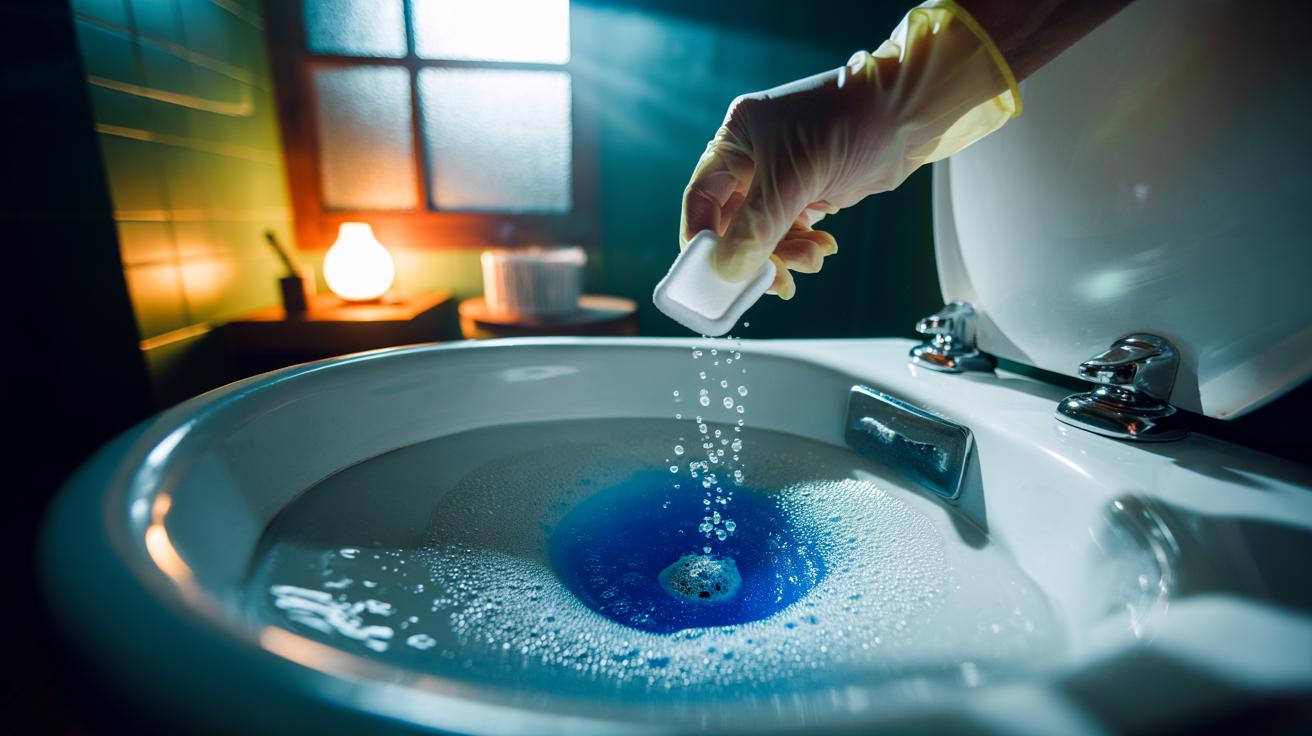
Start with a quick flush to refresh the water. If the bowl is deep, reduce the level by bailing a litre or two to concentrate the solution. Drop in 2–3 denture tablets (use 4 for stubborn build-up), ensuring they settle near stains. Leave overnight—at least six hours. In the morning, scrub the waterline and the U-bend entrance with a firm-bristled loo brush, paying attention under the rim. Finish with a thorough flush. For rim jets, dissolve one tablet in warm water and carefully pour around the edge to bathe the undersides.
Do not mix denture tablets with bleach, ammonia, or acid descalers. If you used bleach earlier, flush several times and wait. The method is safe for vitreous china and most modern plastics, though avoid soaking wooden seats or chromed hinges. Repeat weekly for maintenance, or twice weekly in hard-water areas. For heavy scale, alternate with a purpose-made descaler on a different day to avoid chemical clashes.
What to Expect by Morning: Results, Costs, and Limits
Expect brighter porcelain, a reduced brown or grey ring at the waterline, and a noticeable drop in odour. Light mineral haze lifts easily; older, thick limescale may lighten but not vanish in one go. The method excels at breaking down biofilm, so routine use keeps stains from returning. People often report a silkier feel to the glaze, a sign that scale film has been loosened and brushed away rather than simply whitened. It’s maintenance-first cleaning, not magic.
| Method | Typical Cost per Use (UK) | Effort | Limescale | Organic Stains/Odour | Notes |
|---|---|---|---|---|---|
| Denture tablets | £0.05–£0.15 (2–3 tablets) | Low | Good over time | Very good | Fume-free; needs soak time |
| Bleach gel | £0.05–£0.10 | Low | Poor (whitens, doesn’t remove) | Excellent | Strong fumes; never mix |
| Vinegar + bicarb | £0.03–£0.08 | Medium | Moderate | Good | May need repeats; smell |
As the table shows, the denture route is low-effort and cost-competitive, particularly for renters or hosts seeking steady, presentable results between deep cleans. For rust marks or concrete-scale deposits, a targeted acid descaler remains superior.
Safety, Sustainability, and When Not to Use
Modern tablets rely on oxygen bleach and citric acid, breaking down largely into water, oxygen, and salts, which suits most homes and septic systems when used sparingly. Keep tablets dry and out of children’s reach; they’re not sweets, and the fizz can irritate skin and eyes. Never combine with chlorine bleach, acid descalers, or ammonia cleaners. If you must use those, separate applications by a day and multiple flushes. Ventilate small loos and avoid prolonged skin contact with the solution.
There are limits. Deeply etched scale, iron-stain blooms from old pipework, or blue copper marks need a targeted descaler or pumice stone designed for porcelain. Avoid the trick on enamel-coated metal bowls, where repeated acidity may dull the finish. For persistent rim-jet clogs, a professional descale is sensible. Still, for routine shine with fewer harsh chemicals, denture tablets offer a quietly effective, maid-approved tactic that doesn’t demand elbow grease.
Used overnight, denture tablets give the loo a hotel-fresh lift with minimal effort and little cost, ideal between deeper cleans or before guests arrive. The fizzing chemistry softens limescale, dislodges biofilm, and freshens without choking fumes, provided you avoid dangerous mixes and respect the method’s limits. If your bathroom battles hard water, this small habit becomes a meaningful defence against dull porcelain. Will you try the overnight fizz, or do you have another understated trick that keeps your toilet bowl camera-ready without the chemical onslaught?
Did you like it?4.5/5 (29)