In a nutshell
- 🧊 Turns an ice cube tray into a low‑waste toolkit: frozen vinegar cubes deliver slow‑melt contact time that sticks to taps, grout, and vertical surfaces.
- ⚗️ Cleaning power comes from acetic acid, which dissolves limescale, cuts soap scum, neutralises odours, and modestly reduces microbes on non‑porous surfaces.
- 🥣 How‑to: freeze white vinegar (neat or 1:1 with water) in a dedicated tray; add citrus peel for scent; do not add bicarbonate and keep cubes separate from food.
- 🚿 Uses: rub on taps and glass, bag‑soak showerheads, drop into drains, steam‑clean microwaves; avoid natural stone, aluminium, and long soaks on rubber gaskets.
- ⚠️ Safety and eco: clearly label storage, ventilate, wear gloves if sensitive; never mix with bleach or hydrogen peroxide; biodegradable, budget‑friendly option for UK hard‑water homes.
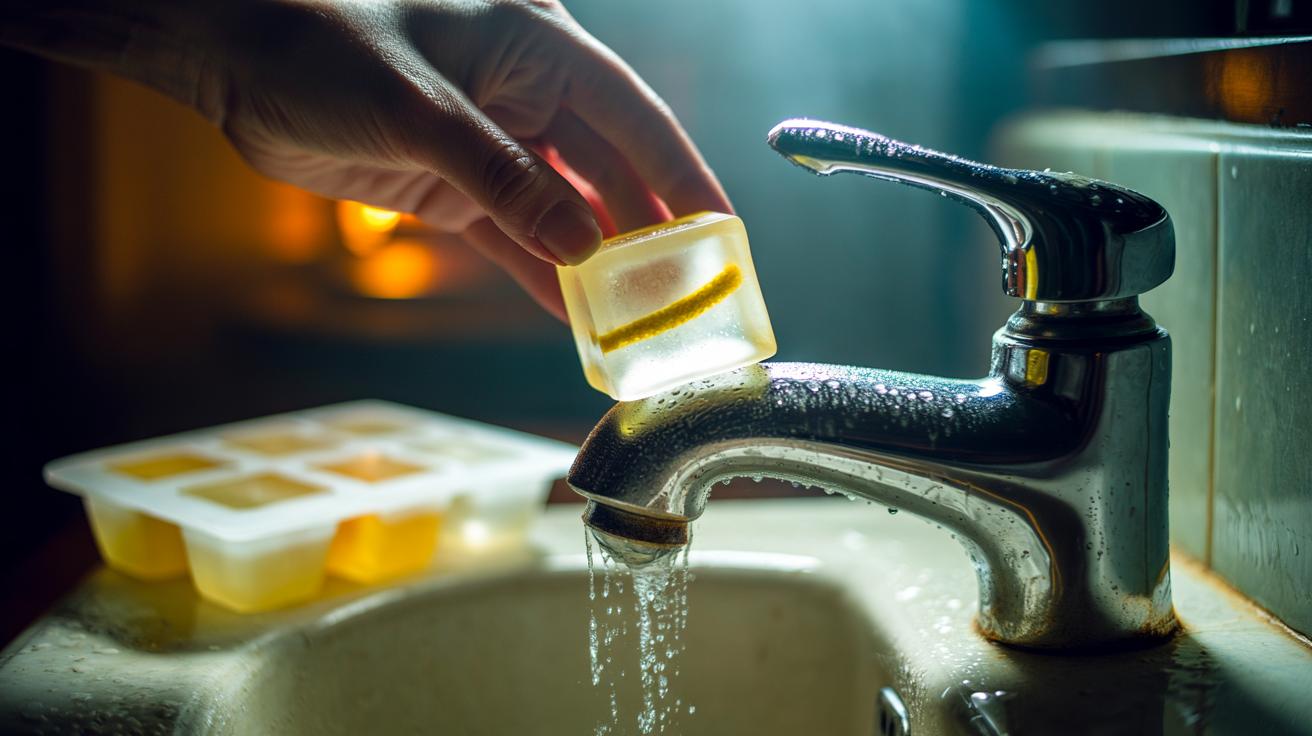
The humble ice cube tray has acquired an unexpected second life in the eco‑cleaning arsenal: a mould for vinegar cleaning cubes that melt into grime-busting doses just where you need them. Pop a cube onto a limescale ring, slide one into a drain, or let one glide along a tap—each slow melt delivers targeted acetic acid to dissolve mineral build-up and neutralise odours. In hard-water parts of the UK, these cubes cut through chalky deposits with pleasing thrift. They’re low‑waste, cheap, and easy to store. Because the cube melts slowly, contact time improves without constant scrubbing, and the result is a cleaner home with fewer bottles under the sink.
Why Frozen Vinegar Works
Vinegar owes its cleaning power to acetic acid (typically 5–8%), which reacts with alkaline films and mineral salts like limescale (calcium carbonate), turning stubborn crusts into soluble compounds you can wipe away. It also helps break down soap scum and cuts mild grease. As a deodoriser, it binds to volatile amines and sulphur compounds, taking bad smells down a notch. When frozen, the cube format extends contact time where liquids would simply run off—ideal on vertical chrome, grout lines, and tricky corners.
There is a sanitising effect, too: acetic acid disrupts cell membranes and alters pH, reducing common household microbes on non‑porous surfaces. That said, vinegar isn’t a hospital‑grade disinfectant and should not be your sole defence for high‑risk contamination. Think of these cubes as a smart first response for routine build‑up and odours, with a pleasing side of precision: the melt is gradual, targeted, and measurable.
How to Make Vinegar Cleaning Cubes
Choose distilled white vinegar for a colourless, dependable cleaner. Fill a dedicated silicone ice cube tray—avoid cross‑contamination with food—using undiluted vinegar for stubborn scale or a 1:1 mix with water for gentler jobs. Freeze until solid. For fresh scent, tuck a sliver of citrus peel into each compartment before freezing; it releases oils on melt without neutralising the acid. Do not add bicarbonate of soda to the cubes—it neutralises vinegar and reduces cleaning power. Label the tray clearly and keep it separate in the freezer.
To use, glide a cube over taps, press one onto a kettle spout exterior, or drop into a drain and flush later with hot water. For fixtures that need a soak, place a cube inside a small food bag, tie it around the fitting, and let it melt in place. Never mix vinegar with bleach or products containing sodium hypochlorite; harmful gases can form.
| Task | Cube Strength | How to Use | Contact Time |
|---|---|---|---|
| Limescale on taps | 100% vinegar | Rub cube over area; leave melt to sit | 10–20 minutes |
| Showerhead build-up | 100% vinegar | Cube in bag tied around head | 20–30 minutes |
| Drains and disposals | 1:1 vinegar:water | Drop cube; flush hot later | As cube melts |
| Fridge seals and trays | 1:1 vinegar:water | Wipe with melting cube, then dry | 5–10 minutes |
Smart Uses Around the Home
In the bathroom, press a vinegar cube onto limescale halos around taps or on glass screen streaks; the slow melt clings where sprays slip. For showerheads, suspend a cube in a tied bag to bathe the nozzles, then rinse thoroughly. On tiles, glide a cube along grout lines—particularly effective where soap scum meets hard water. In the kitchen, drop a cube into the sink drain to deodorise, then run hot water. For a microwave refresh, melt two cubes in a bowl and let the steam loosen splatters before a quick wipe.
Bins and food caddies benefit from a post‑wash rub with a cube to tame lingering odours. For fridge interiors, a diluted cube wipes away sticky spills without harsh fragrance. Avoid soaking rubber gaskets for long periods—brief contact is fine, but prolonged exposure can fatigue some materials. Skip natural stone, cast iron, and reactive metals like aluminium, where acids can etch or corrode. Always test on an inconspicuous spot.
Safety, Storage, and Eco Credentials
Keep cubes in a clearly labelled, sealed container, separate from food. They store well for up to three months; after that, odour and potency may fade. Wear gloves if you have sensitive skin, and ventilate when treating larger areas. Do not mix vinegar with bleach or hydrogen peroxide—both combinations can create dangerous by‑products. Wipe metal fixtures dry after treatment to reduce the risk of corrosion, and rinse thoroughly if surfaces contact food.
From an environmental viewpoint, vinegar is biodegradable, low‑tox, and widely available in bulk, reducing packaging. A single bottle in cube form replaces multiple specialty cleaners, cutting cost and clutter. In hard‑water regions such as London, Birmingham, and the South East, these cubes tackle daily limescale with minimal effort. If scent matters, add a small strip of citrus peel rather than essential oils, which can separate, stain, or irritate. Use common sense: targeted, brief treatments trump long soaks on delicate finishes.
Vinegar cubes turn a basic ice tray into a precise, low‑waste cleaning toolkit, delivering measured doses that melt away limescale, tame odours, and freshen fixtures without a cupboard full of chemicals. The chemistry is simple, the technique is tidy, and the results are satisfyingly visible—especially where hard water leaves its daily mark. With a little labelling and a dedicated tray, you can keep a ready supply on hand. Which nook or nuisance in your home would benefit most from a slow‑melting, targeted clean?
Did you like it?4.6/5 (24)