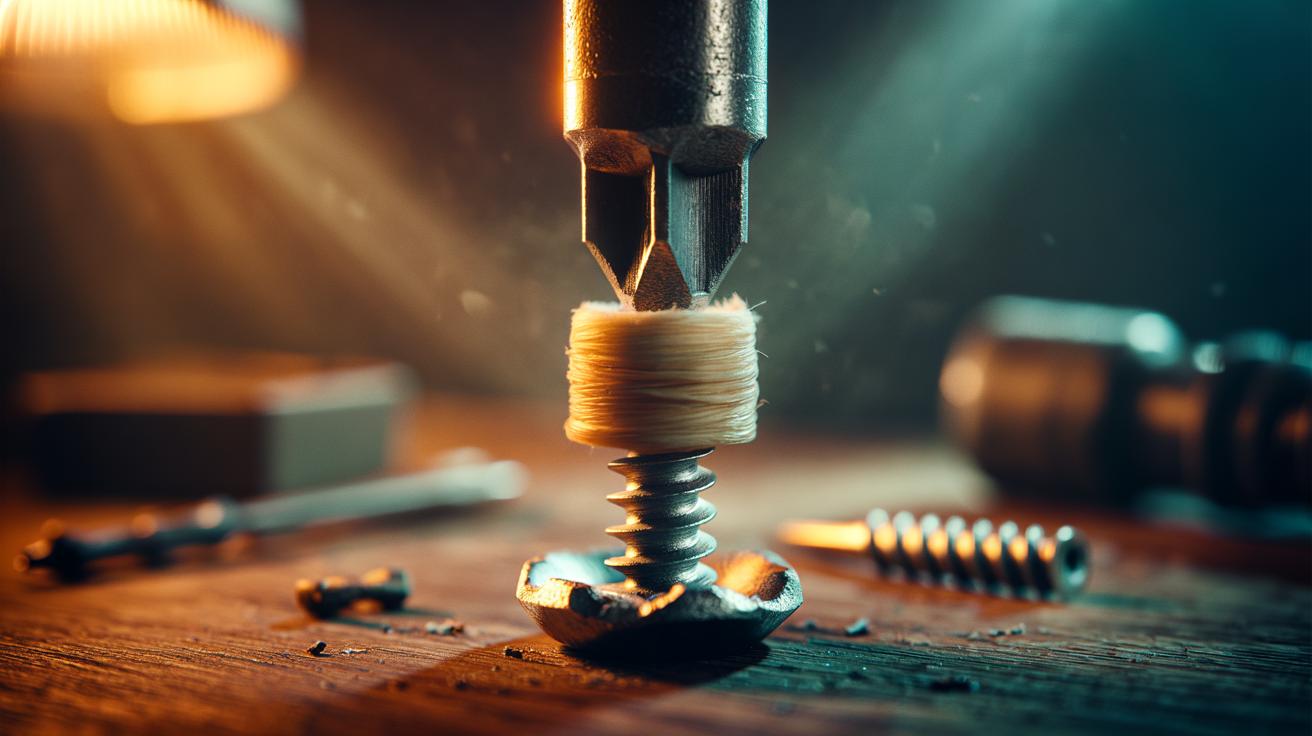
In a nutshell
- 🧰 A rubber band acts like a compliant gasket that fills the gaps in a stripped head, boosting friction and turning slip into usable torque.
- 🪛 Method: choose a wide band and a snug-fitting bit, press straight with firm axial pressure, turn slowly at low speed, and add a touch of penetrating oil if needed.
- 🧷 Selection matters: pick a medium-thick band and match the driver correctly (Pozidriv vs Phillips, proper Torx size) to maximise grip and minimise cam-out.
- 🚫 Know the limits: if the head is sheared or deeply corroded, switch to alternatives—valve grinding compound, a tapped-in seat, a cut slot, left-hand drill bits, an impact driver, or a screw extractor.
- 💡 Key takeaway: the trick is cheap, reversible, and protects the workpiece; success depends on fit, pressure, and patience—an ideal first move before invasive fixes.
It is the hack you learn once and never forget: the humble rubber band slipped between a driver and a stripped screw can restore enough bite to twist the fastener free. The band’s soft, grippy surface spreads into the chewed-out slots, creating new contact where metal-on-metal has failed. For DIYers, tenants and trades alike, it is a low-cost, low-drama alternative to aggressive drilling or specialist extractors. Used with a steady hand and the right driver, it turns a maddening problem into a two-minute fix. Here is why it works, how to do it properly, and when to reach for other tactics.
Why a Rubber Band Works
A stripped head is a geometry problem. The original recess — Phillips, Pozidriv, Torx or Robertson — has lost crisp edges, so the driver cams out. A rubber band behaves like a compliant gasket: under pressure it fills the gaps, increasing surface area and friction. The elastomer deforms into the damaged slots, gripping high and low points that a rigid bit skips over. That deformation turns wasted rotation into usable torque, converting skids into controlled movement.
There is science behind the simplicity. Rubber’s high coefficient of friction against steel resists slip, while its shear gives a forgiving cushion that evens out micro-misalignment between driver and head. The result is less cam-out and more torque transfer at lower speed. Because the band compresses, it also dampens sharp shocks that worsen damage. On lightly rusted or paint-clogged screws, this extra grip is often enough to break the static hold without resorting to heat or drilling.
Step-by-Step: Using the Rubber Band Trick
Choose a wide, flat rubber band and a correctly sized driver bit. Lay the band over the screw head, press the bit down through it, and keep the band centred. Apply firm, straight axial pressure and turn slowly. Low speed and high control beat brute force. If the band bunches or tears, rotate to a fresh section or trim a clean square edge and try again. Work by hand rather than with a drill to avoid runaway cam-out.
If the screw starts moving, maintain constant pressure and steady rhythm. A drop of penetrating oil on the threads minutes beforehand can help on outdoor or galvanised fixings. Clear flaking paint or debris from the recess first, as clogged slots defeat the band’s ability to bed in. Avoid stacking multiple bands; too much cushion reduces feel. Stop immediately if the head rounds further, reassess the driver size, and consider an alternative method to preserve what grip remains.
Choosing the Right Band and Driver
Band material and thickness matter. A thin, brittle band snaps under torque; an overly thick one springs back and blunts feedback. Look for broad, moderately thick bands — often found around produce or parcels — that compress without crumbling. Pair them with a snug-fitting bit: the largest driver that seats fully without wobble. The fit of the bit is as crucial as the band, particularly on Phillips vs Pozidriv heads common in UK fixtures.
| Band Type | Thickness | Best For | Pros | Caution |
|---|---|---|---|---|
| Standard postal rubber band | Medium | General indoor screws | Good grip, widely available | Can perish with age |
| Silicone wrist band | Thick | Deeply chewed slots | Durable, high friction | May feel spongy if too thick |
| Flat EPDM band | Medium–thin | Outdoor, slightly rusty screws | Weather resistant | Needs firm axial pressure |
Match the driver to the recess pattern. A true Pozidriv screw wants a PZ bit, not PH; mis-matching accelerates wear. For Torx, ensure the star bit fully engages. In timber, pre-load by leaning into the driver; in metal, use a calm, incremental start. Keep spares of different band widths in your kit, as a wider band can bridge enlarged slots where narrower ones sink without gripping.
When the Trick Won’t Work and What to Try Instead
No elastomer can rebuild a head that is sheared, wafer-thin or buried under corrosion. If the band slips repeatedly, the driver rocks, or the head is recessed below the surface, switch tactics. Stop before you turn a salvageable screw into a drill-only job. Add a drop of valve grinding compound for grit, or seat the driver with a light tap from a hammer to create fresh bite. Heat on metal fixtures can break thread-lock; for timber, a touch of wax or oil at the shank can ease backing out.
Beyond that, go mechanical. Cut a new slot with a rotary tool and use a flat-head driver. Try a left-hand drill bit; many screws back out as the bit bites. An impact driver with the correct bit and gentle pulses can shock threads free. For stubborn cases, use a dedicated screw extractor, drilling a pilot to the specified size and following the kit’s torque limits. As a last resort, drill the head off, remove the fixture, and extract the remaining shank with pliers.
The rubber band trick earns its place because it is cheap, reversible and surprisingly effective. By boosting friction and filling gaps in damaged recesses, it gives you one controlled attempt to recover a fastener without scarring the workpiece. Success hinges on fit, pressure and patience, not on force. Keep a couple of bands in your toolbox, alongside correctly sized bits and a calm approach, and many “ruined” screws will quietly surrender. When you next meet a chewed head, will you reach for a band first or try a different rescue routine — and why?
Did you like it?4.6/5 (29)