In a nutshell
- ☀️ Daylight’s UV-A and blue visible light damage mould spores, cutting germination via oxidative stress, while sun-warmed surfaces dry faster.
- 💨 Light works best with strong ventilation and moisture control; keep relative humidity around 40–60% to curb growth and musty odours.
- 🪟 Orientation, glazing, curtain use, clutter, and high-LRV paints dictate how far light penetrates—brighter rooms typically stay fresher for longer.
- 🕰️ Practical benchmark: expose at-risk areas to 1–2 hours of daylight daily in cooler months, and clean regularly to remove nutrients spores need.
- 🛠️ Design and habits: open curtains fully, clear sills, add mirrors, choose high-LRV paints, and fit extractor fans; daylight multiplies, not replaces, fixes for leaks and insulation gaps.
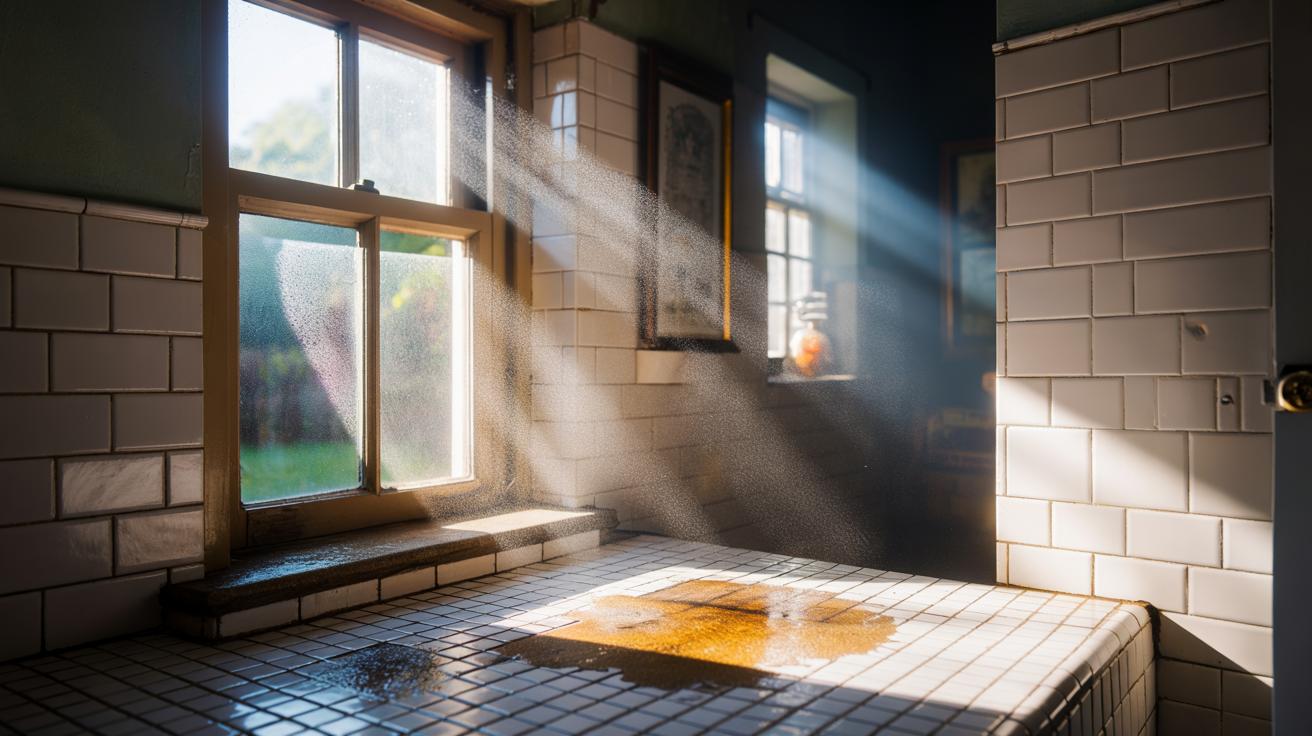
Sunlight isn’t just decorative; it is a quiet housekeeper. In bright rooms, the same rays that lift our mood also disrupt the life cycle of indoor microbes, including the mould spores that set off allergies and leave musty odours. In UK homes where winter condensation lingers, even a modest dose of daytime light can tilt conditions against growth on paintwork, grout, and window frames. Letting more daylight reach the places that tend to stay damp can reduce the number of viable spores on surfaces and dust. It won’t replace cleaning or moisture control, but it adds a free, passive layer of protection that works every day you open the curtains.
How Sunlight Damages Mould Spores
Daylight is a spectrum. While typical window glass filters most UV-B, it still transmits UV-A and plenty of high-energy visible light, especially the blue band. These wavelengths trigger oxidative stress inside mould spores, generating reactive oxygen species that punch holes in cell membranes and scramble genetic material. Many fungi produce melanin-like pigments that act as a shield, yet the shielding slows damage rather than stopping it. Expose spores to sufficient light for long enough, and their ability to germinate drops sharply. This isn’t limited to sunbeams on sills: illuminated dust suspended in the air or resting on textiles also experiences photodamage, nudging indoor ecosystems towards lower viability.
Heat plays a supporting role. Sun-warmed surfaces dry faster, closing the window of time when condensation or spills feed growth. The effect compounds on cold-bridge spots—external corners, behind wardrobes, or around single-glazed panes—where even a slight temperature lift prevents water from lingering. Visible light contributes too: photosensitisers present in household dust absorb photons and pass energy to oxygen, amplifying damage to nearby microbes. That is why bright, well-used rooms often smell fresher and stay cleaner between deep cleans.
Why Some Rooms Benefit More Than Others
Not all daylight is equal indoors. Orientation matters: south- and west-facing rooms in the UK collect more intense light, while north-facing rooms receive a cooler, diffuse glow. Glazing type changes the picture; modern low‑E coatings conserve heat but alter spectral transmission, and privacy films can cut the very wavelengths that help control spores. Furniture layout, deep window reveals, heavy curtains, and cluttered sills create shade pockets where moisture lingers. Where sunlight can’t reach, mould finds refuge. Even décor choices count: light, matte paints with a high light reflectance value bounce daylight deeper into the room, reducing dark corners that favour growth.
Ventilation and light work hand in hand. Trickle vents, regular window opening, and effective extraction in kitchens and bathrooms limit relative humidity, so daylight lands on drier surfaces less welcoming to spores. Thermal performance matters, too: insulated external walls and well-sealed frames reduce cold spots where condensation forms. A bright room that is also dry dramatically lowers the risk of colonisation. Think in layers—daylight access, airflow, insulation—and you create conditions where spores are both fewer and less able to thrive. Sunshine is potent, but its power multiplies when moisture is under control.
Evidence and Practical Benchmarks
Peer‑reviewed studies on indoor environments report that daylight-exposed dust harbours fewer viable microbes than dust kept in darkness, with UV-rich spectra showing the strongest effect. Laboratory work on fungal spores confirms that UV-A and blue light can reduce germination, especially when exposure is repeated over days. While results vary by species and setting, the direction of travel is clear: light tips the balance against survival. For homeowners, the practical takeaway is simple—deliver regular daylight to places where moisture appears. Aim for daily illumination of problem areas such as bathroom ceilings, shower seals, and the backs of window reveals.
| Light Type | Indoors Through Glass | Effect on Mould Spores | Notes |
|---|---|---|---|
| UV-B | Mostly blocked | High potency if present | Limited indoors unless through special glazing |
| UV-A | Partly transmitted | Damages DNA and membranes | Works cumulatively with repeated exposure |
| Blue visible light | Well transmitted | Generates oxidative stress | Enhanced by dust photosensitisers |
| Infrared/Heat | Well transmitted | Speeds drying | Reduces time surfaces stay damp |
As a rule of thumb, provide 1–2 hours of daylight exposure to at‑risk surfaces daily during cooler months, and hold indoor humidity near 40–60% using extraction, window airing, and—where needed—dehumidifiers. Cleaning remains essential: wiping away nutrients denies any survivors a foothold. Where rooms stay gloomy, consider clearer window dressings or repositioning furniture to open sightlines from glass to known trouble spots.
Designing and Living for Healthier, Brighter Rooms
Small choices make big differences. Pull curtains fully clear of the glazing each morning; switch to pale, breathable window dressings instead of heavy, permanently drawn drapes. Keep sills uncluttered, and leave a 5–10 cm gap behind wardrobes on external walls to let light and air circulate. In bathrooms, fit a powerful, humidistat‑controlled extractor and leave doors ajar after showers so daylight and airflow reach the ceiling and corners. Target the places where condensation appears first, because these are the footholds mould uses to spread. A routine of airing after cooking or bathing pairs perfectly with midday sunshine on tiles and grout.
For deeper retrofits, increase the daylight factor: add rooflights, borrow light with glazed internal doors, or choose high‑LRV paints to amplify existing sun. If privacy films or tints are essential, select products with good UV-A and visible transmission. Where windows are small, use mirrors to bounce light into alcoves, and choose open‑leg furniture that doesn’t cast wide shadows. Remember that daylight is not a substitute for fixing leaks or insulation gaps; it is a multiplier. The healthiest rooms are bright, dry, and well ventilated, so spores lack both the energy and the moisture to take hold.
Sunlight will not eliminate mould on its own, yet in combination with smart ventilation, insulation, and routine cleaning, it shifts the indoor environment in your favour. By letting more natural light reach the nooks that gather damp—and keeping humidity in check—you create spaces that resist musty odours and stay fresher with less effort. The approach is quiet, renewable, and free once your blinds go up each morning. If you planned one change this season, opening the path for daylight to reach problem spots is a strong start. Which corner of your home would benefit most from a little engineered sunshine, and what will you change first?
Did you like it?4.4/5 (27)