In a nutshell
- 🧪 Natural acids like citric acid (limes) and acetic acid (vinegar) dissolve limescale and soap film, restoring crisp grout contrast while avoiding harsh chemical fumes.
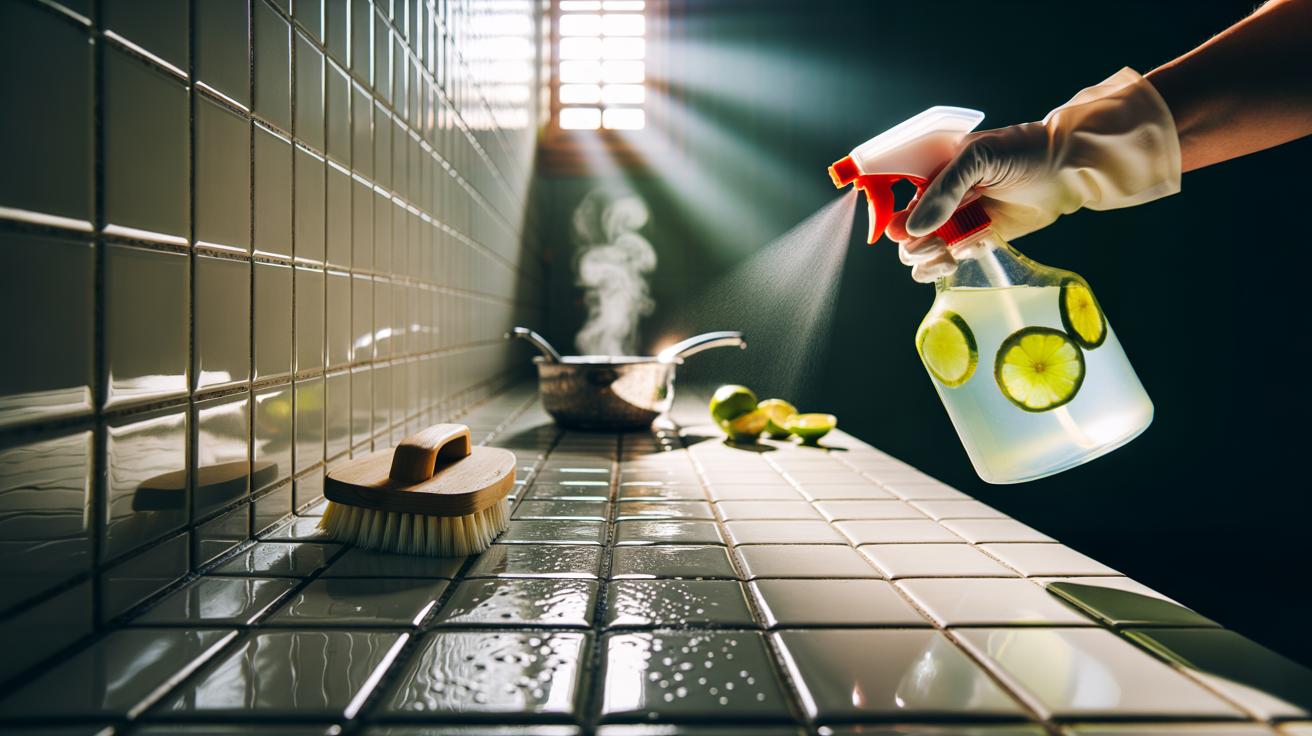
- 🍋 DIY method: simmer limes in water, strain, optionally add vinegar and a drop of detergent; spray, allow a 5–7 minute dwell, brush with nylon, then rinse thoroughly — Do not mix with bleach.
- 🧼 Stain targeting: use citric acid for limescale haze, acetic acid for soap scum and light rust, and quick citrus rinses for mould shadows, with short dwell times and generous rinsing.
- 🛡️ Long-term care: apply a penetrating grout sealer, reseal every 12–18 months, and maintain with pH‑neutral cleaners and microfibre wipes to prevent re-soiling.
- ⚠️ Surface safety: spot-test first and avoid acids on marble, limestone, and travertine to prevent etching; use soft nylon brushes and mask nearby stone surfaces.
Kitchen tiles often lose their sparkle not through dirt alone, but because the grout absorbs stains that harsh scrubbers simply smear around. A gentle workaround is hiding in the fruit bowl. A boiled-lime wash uses the natural bite of citric acid to lift mineral haze and soap scum while refreshing surfaces with a clean citrus scent. Paired with light agitation and a thorough rinse, it can revive tired grout lines without the acrid fumes of heavy chemicals. Used correctly, plant-based acids loosen deposits instead of stripping surfaces. Here’s how the science works, how to make the wash at home, and when to switch tactics for stubborn marks.
Why Natural Acids Brighten Tiles and Grout
Grout discolouration usually comes from three culprits: hard-water limescale (calcium carbonate), soapy film, and iron-tinged rust. Mild acids such as citric acid (from limes) and acetic acid (from vinegar) react with alkaline deposits, converting them into soluble salts that rinse away. That’s why a citrus rinse often clears dulling haze that scrubbing leaves behind. Citrus peel also releases a touch of limonene, lending light degreasing power that helps break the bond between deposits and the grout’s porous surface.
There is a boundary to respect. Cement-based grout is slightly alkaline and can be softened by repeated acid exposure; natural stone tiles (marble, limestone, travertine) are carbonate-rich and vulnerable to etching. Always spot-test in an inconspicuous area and avoid acids on calcium-based stone. On glazed ceramic and porcelain, though, a controlled acid dwell loosens film efficiently, and rinsing returns the crisp contrast between tile and grout.
Making a Boiled-Lime Wash at Home
For a simple batch, slice 3 fresh limes into a saucepan with 500 ml water. Simmer gently for 10 minutes, press the slices to release juice, then cool and strain. For extra bite, stir in 1–2 tablespoons of white vinegar (5% acetic acid) once cool. Optional: a half-teaspoon of unscented washing-up liquid adds mild surfactancy without foaming wildly. Decant into a spray bottle. Do not mix with bleach or chlorine-based cleaners. Wear gloves to protect skin and ventilate the area.
Vacuum or wipe tiles to remove grit. Spray the boiled-lime wash along grout lines and across any hazed tiles, letting it dwell for 5–7 minutes. Agitate with a soft nylon brush, following the line of the grout. For heavy deposits, repeat once rather than extending the dwell excessively. Rinse thoroughly with warm water until the surface no longer feels slick. If concerned about residue, a quick wipe with a weak bicarbonate solution (½ teaspoon per litre) neutralises remaining acidity before a final rinse.
Targeting Stains: What Works on What
Different stains respond to different acids and techniques, so it pays to match the remedy to the mark. Lime-derived citric acid excels at limescale haze and general clouding, while vinegar’s acetic acid can tackle soap scum and light rust more decisively. For mould shadows that linger after biocidal treatment, brief acid contact often lifts the grey mineral trace left behind. Keep dwell times short, reapply if needed, and prioritise a generous rinse. On epoxy grout, use lighter pressure; it cleans quickly but can be dulled by abrasive pads.
| Stain Type | Natural Acid | Method | Precautions |
|---|---|---|---|
| Limescale haze | Citric acid from boiled-lime wash | Spray, 5–7 min dwell, nylon brush, rinse | Avoid on marble/limestone; spot-test grout |
| Soap scum | Acetic acid (white vinegar) | 1:1 with water, short dwell, wipe, rinse | Never combine with bleach |
| Light rust tint | Citrus + vinegar blend | Apply, brief scrub, repeat if needed | Rinse promptly; protect adjacent metal |
| Mould shadow | Citric acid rinse after biocide | Quick pass, rinse well | Ensure ventilation; dry thoroughly |
Care, Sealing, and Long-Term Brightness
Cleansing is only half the story; keeping grout bright depends on sealing and routine care. Once fully dry, apply a penetrating grout sealer to reduce porosity and slow the uptake of soap and minerals. In busy kitchens and bathrooms, plan to reseal every 12–18 months. Between deep cleans, switch to a pH-neutral cleaner to avoid slowly weakening cementitious grout. Microfibre pads lift residue before it hardens, cutting down on heavy-duty sessions.
Moisture management matters. Run an extractor fan, squeegee splashback tiles after cooking or washing-up, and dry shower walls to limit mineral spotting. Reserve acid-based treatments for occasional restoration, not daily maintenance. Choose nylon bristles over metal, and keep abrasive powders away from glossy glaze. If you have natural stone nearby, mask it off before spraying. These small precautions protect the surface while letting the boiled-lime wash deliver its brightening punch when you need it.
Used sparingly and with care, natural acids reclaim the crisp geometry of tiled surfaces, lifting haze and reviving grout without the harsh odour or environmental load of solvent-heavy cleaners. The combination of a homemade boiled-lime wash, sensible dwell times, and thorough rinsing offers a low-cost, satisfying reset for walls and floors. If you pair that with good ventilation and regular, neutral maintenance, brightness lasts longer between deep cleans. What stubborn mark is bothering you now, and which stain type from the table fits it best?
Did you like it?4.6/5 (26)