In a nutshell
- 🧪 Why it works: a dishwasher tablet packs surfactants, enzymes, and oxygen bleach; with heat and 8–12 hours of soaking, it loosens baked-on grease while protecting the chrome finish.
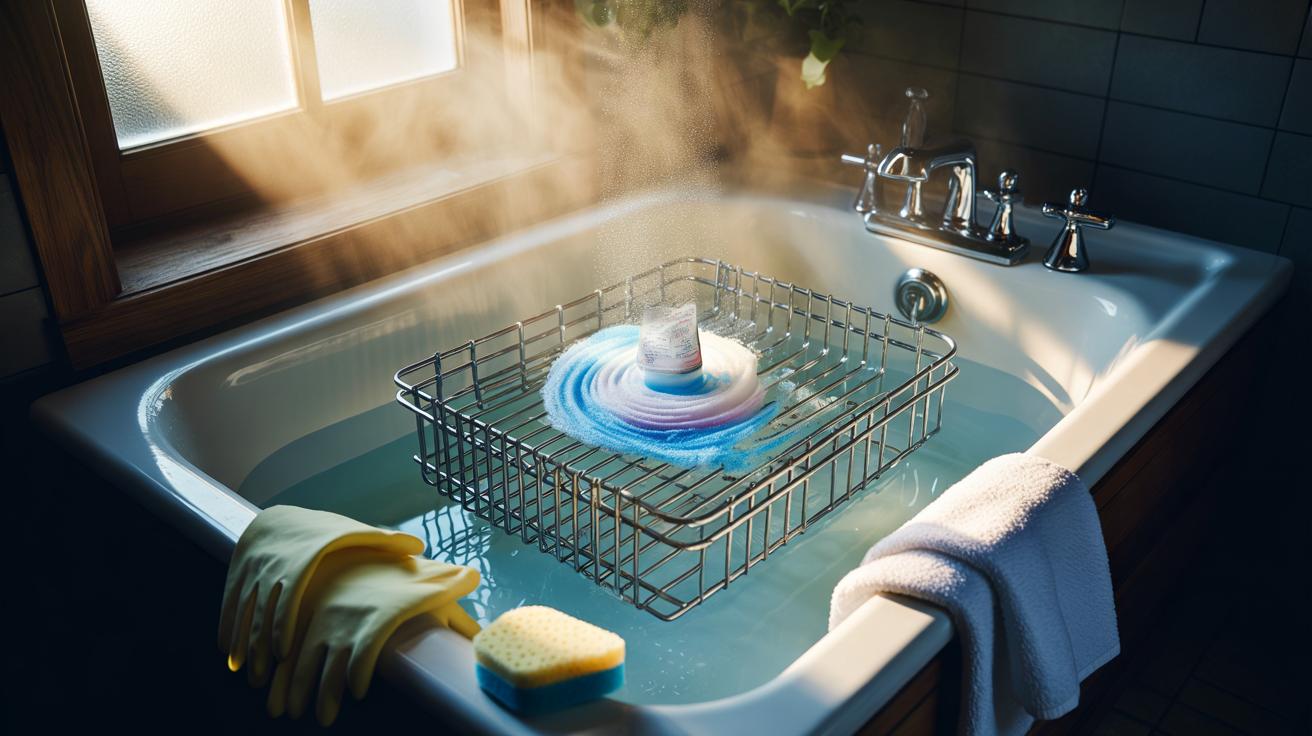
- 🧼 Step-by-step: line a bath with a towel, submerge racks in very hot tap water, add 1–2 tablets, soak overnight, then wipe with a non-scratch sponge, rinse thoroughly, and dry with microfibre.
- 🛡️ Safety first: wear gloves, ventilate, avoid boiling water on acrylic, and do not mix with bleach; stick to chrome-plated racks and choose unscented tablets if sensitive.
- ⚠️ Mistakes to avoid: no steel wool, ensure full submersion, dissolve tablets properly, cap the soak at ~12 hours, and rinse/dry fully to prevent spots and rust.
- 📦 Alternatives & upkeep: use a bicarbonate of soda paste for stubborn spots, try a bin-liner soak to save water, and do a light monthly top-up clean with half a tablet.
There’s a quietly brilliant cleaning trick doing the rounds in British households: using a humble dishwasher tablet to revive grimy oven racks with an overnight soak. Instead of hours of scrubbing and choking fumes, this method softens baked-on grease and carbon until it slides off with a gentle wipe. It’s frugal, effective, and ideal for busy weeknights—set it up before bed and wake to gleaming chrome. The beauty of the hack is the minimal effort it demands while delivering showroom results. Below, we unpack why it works, the safest way to try it at home, and smart tweaks that save time without damaging your kit or your bath.
Why Dishwasher Tablets Work on Oven Racks
Dishwasher tablets aren’t just compressed soap; they’re engineered to tackle the nastiest kitchen residues. Inside you’ll usually find a mix of surfactants that lift grease, enzymes that digest food proteins and starches, and oxygen bleach (often sodium percarbonate) that breaks down stains. In warm water, these agents penetrate the polymerised fats and carbon clinging to racks, loosening the bonds that make them so stubborn. The result is a softened residue that wipes away with a non-scratch sponge, sparing your wrists and your chrome finish.
Temperature and time do the heavy lifting here. Warm-to-hot water activates the tablet while an eight to twelve-hour soak allows chemistry, not elbow grease, to do the work. Let the solution work overnight and you’ll often find even years-old grime releasing without harsh scraping. This gentler approach also helps maintain the rack’s plating, preserving that bright, mirror-like look that harsh abrasives tend to dull.
Step-by-Step: the Overnight Soak Using a Dishwasher Tablet
First, choose your container. A clean bath, a plastic storage crate, or a heavy-duty bin liner all work. Line a bath with an old towel to protect the enamel, then place the racks inside. Fill with very hot tap water (not boiling) until the racks are submerged by a few centimetres. Drop in one to two dishwasher tablets—two for very dirty racks, one for light-to-medium grime. Swish the water to help dissolve. If using a bin liner, add water and a tablet, carefully expel air, and tie tightly to keep heat in.
Leave the racks to soak for 8–12 hours. In the morning, don gloves and wipe each bar with a non-scratch sponge or nylon brush. Most residue should slide away; re-dip stubborn spots and give them a second pass. Rinse thoroughly with clean water and dry with a microfibre cloth to fend off flash rust. An overnight soak does the real work, so scrubbing should be minimal and damage-free. For a streak-free finish, buff once more after air-drying.
Safety, Materials, and Alternatives to Consider
Dishwasher tablets are powerful: use them wisely. Wear rubber gloves, keep the room ventilated, and avoid splashes. Protect delicate bath surfaces with a towel and avoid boiling water, which can stress acrylic. Never mix dishwasher tablets with bleach or other cleaners—the cocktail can release dangerous fumes. Stick to chrome-plated steel racks only; avoid soaking bare aluminium trays or cast iron, which can react or rust. If you’re fragrance-sensitive, choose unscented tablets to reduce odours in small spaces.
Here’s a quick kit list and safe substitutes that still deliver results without harsh chemicals.
| Item | Purpose | Notes |
|---|---|---|
| Dishwasher tablet | Breaks down grease and carbon | Use 1–2; unscented if possible |
| Hot water | Activates cleaning agents | Very hot tap water, not boiling |
| Bin liner/bath/crate | Contained soak | Line baths with an old towel |
| Gloves & sponge | Safe handling & wipe-off | Non-scratch tools only |
| Bicarbonate of soda | Mild alternative cleaner | Make a paste for spot-treatment |
Common Mistakes and How to Avoid Them
Several missteps can spoil the magic. Don’t use steel wool on chrome—those micro-scratches trap grime later and dull the shine. Skip boiling water in acrylic baths, which can warp or craze the surface; very hot tap water is ample. Ensure the racks are fully submerged so every bar benefits from the soak, and dissolve tablets properly—chunks reduce effectiveness. Cap your soak at around 12 hours; days-long baths can encourage corrosion on compromised plating.
Rinse thoroughly to remove alkaline residue, then dry completely with microfibre to avoid water spots and orange flecks on cut ends. Avoid mixing chemical systems—no bleach, no vinegar in the same bath. If a mark won’t shift, repeat the soak rather than escalating to abrasives. A light once-a-month maintenance soak with half a tablet keeps build-up low, meaning you rarely face heroic cleans again.
This simple dishwasher tablet soak turns a dreaded job into an overnight set-and-forget, protecting your racks while restoring their shine. The method makes science do the work, cuts down on harsh sprays, and suits small flats as well as family kitchens. With a towel-lined bath, a tablet, and patience, your oven racks can look shop-floor new by morning. If you try it this week, what tweaks—unscented tablets, a bin-liner setup, a microfibre buff—will you adopt to make the process even smoother in your own home?
Did you like it?4.6/5 (25)