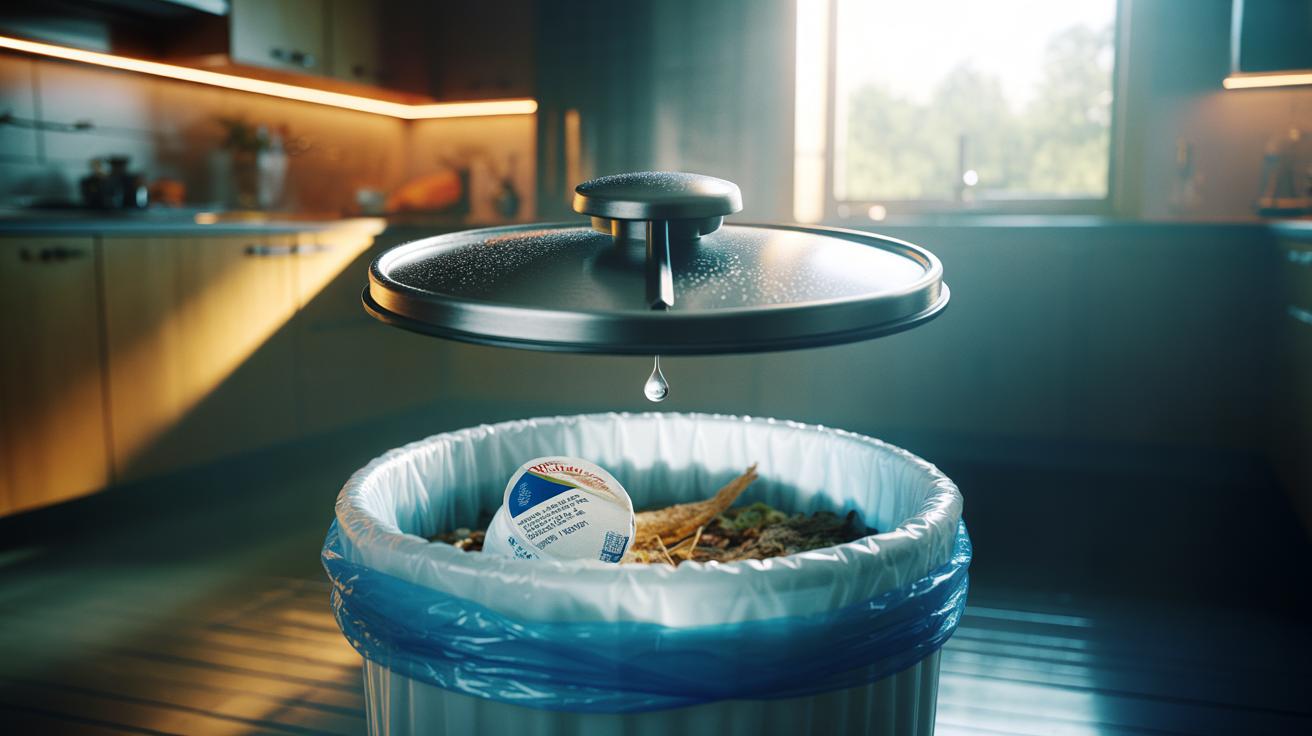
In a nutshell
- 🛡️ The double-bag method adds redundancy, so if the inner liner fails, the outer catches leaks and reduces capillary wicking and odour escape.
- 🧰 Proper setup matters: use correctly sized liners, offset seams, expel excess air, and tie a two-stage seal to prevent sloshing and punctures.
- 🧪 Pair materials for strength: an HDPE inner (shape-holding) with an LDPE outer (abrasion-resistant) often beats one thick bag and can cost less.
- ♻️ Be selective: skip doubling for dry waste, council food caddies with compostables, or bins with rigid inserts; double up for wet, sharp, or heavy loads.
- 📊 Practical extras: add an absorbent base, drain liquids, and wrap sharps; these steps cut leaks, odours, and cleaning time while reducing wasted plastic.
The Double‑Bag Trick: Why Layering Stops Mess Before It Starts
Every home has battled the grotty aftermath of a bin leak: sticky liquids seeping down the liner, a scent that clings, and a clean-up that steals your evening. The simplest fix isn’t new technology or a pricey gadget; it’s the double‑bag. By layering two liners, you create a resilient barrier that outperforms a single thick one. Two modest bags deliver a fail‑safe that prevents drips before they start. This smart, low-cost tactic relies on physics as much as practicality—reducing punctures, stopping capillary wicking, and containing unexpected weight. Here’s how to make the most of the technique, which bags to choose, and when doubling up is a wise choice for your bin, your kitchen, and your schedule.
Why Two Layers Beat One
The power of the double‑bag begins with redundancy. A single liner fails at its weakest point—often a seam or micro‑tear from sharp packaging. Add a second liner and you offset those weaknesses, so rips rarely align. Two thin liners often outperform one thick bag in real kitchens. The inner bag handles load and food moisture; the outer bag protects against abrasion from the bin rim and rough waste, and it catches any seepage if the inner lining is compromised. That layered construction also reduces capillary wicking, which can send liquids creeping through fibres and folds.
There’s a friction benefit, too. The inner bag can shift slightly while the outer stays anchored, dissipating shear that would otherwise cut through plastic. Offsetting the seams—twisting the inner knot one way and the outer the other—limits direct leak channels. The small air pocket between layers adds a thermal and vapour buffer, lowering condensation on the bin wall and preventing odour from escaping rapidly. Layering turns an everyday liner into a barrier system.
In practice, this means fewer mid‑week bin changes and less scrubbing. If a yoghurt pot lid gouges the inner bag, the outer layer typically holds firm. When wet scraps pool, the second liner becomes a clean catchment. Instead of a cascade onto your kitchen floor, you get a tidy lift‑out. Small change, big reliability.
How to Double‑Bag Properly
Choose two compatible liners sized to your bin (for many UK kitchens, that’s 30–50 litres). First, seat the outer bag neatly over the rim, smoothing out folds. Then nest the inner bag inside, pushing it to the base and offsetting its seam so it doesn’t sit directly over the outer seam. Offset seams are your leak insurance. Expel excess air from the inner liner as you go to avoid ballooning, which encourages tearing when you compact waste. If your bin has a liner‑retaining hole or band, use it only on the outer bag, keeping the inner free to flex.
Tie technique matters. When the inner bag is two‑thirds full, twist tightly, fold the twist back, and knot; then gently press the parcel down before securing the outer bag. This creates a two‑stage seal that resists sloshing. For wet loads, add an absorbent layer—two sheets of kitchen roll, shredded paper, or a handful of sawdust—at the base of the inner bag to trap liquids. Never pour fluids into any bin liner. Drain tins, scrape plates, and cap bottles before tossing. If you regularly discard bones or glass, line the inner base with cardboard to disperse point pressure.
Choosing Bags and Cutting Waste
Bag choice decides how well your double‑bag performs. For general waste, an outer of LDPE (supple, abrasion‑resistant) and an inner of HDPE (crisper, better at holding shape) is a robust combo. Recycled‑content liners cut environmental impact; look for 30–80% recycled claims. Compostable liners (EN13432) belong in food caddies and only make sense in the main bin if your council collects organics at scale. Avoid oxo‑degradable plastics; they fragment rather than truly break down. Pricewise, two lighter bags often cost less than one heavy‑duty liner while doing a better job against leaks.
Think in litres and thickness, not just brand names. A 40‑litre outer with a 30‑litre inner gives a snug nest; thickness around 12–18 microns per bag is plenty for most households. If you have fortnightly collections or heavy DIY debris, step up the outer’s thickness. Match material to bin behaviour, not marketing labels. A small table helps compare options:
| Bag Type | Typical Thickness | Pros | Cons | Leak Risk | Approx Cost (UK) |
|---|---|---|---|---|---|
| HDPE (inner) | 10–14 μm | Holds shape, cheap | Prone to puncture | Medium | 2–4p per bag |
| LDPE (outer) | 12–20 μm | Flexible, scuff‑resistant | Heavier plastic | Low | 4–7p per bag |
| Compostable (caddy) | 15–20 μm | Food‑waste friendly | Weaker when wet | Medium–High | 8–12p per bag |
When You Should Skip Double‑Bagging
Doubling isn’t a blanket rule. If you use a council‑issued food caddy with certified compostable liners and frequent emptying, one liner plus an absorbent base is fine. In commercial‑grade bins with rigid insert buckets or clamping rings, the structural support prevents chafing, so a single thicker liner may suffice. For primarily dry waste—paper, packaging, textiles—the leak risk is low, and a single recycled‑content liner is the lean choice. Right‑sizing beats routine doubling when liquids aren’t in play.
There are smarter alternatives for specific messes. Drain cooking oils into a set‑aside container for the tip or a recycling point. Freeze raw meat trimmings and fish skins, then bin them on collection morning to prevent odour and seepage. Wrap sharp shards in cardboard sleeves to dodge punctures. Consider a countertop caddy for wet scraps so the main bin stays mostly dry. Double‑bag by risk, not habit: ramp up for parties, heavy cooking weeks, or long gaps between collections, and scale back when loads are light.
Leak‑proof bins aren’t magic—they’re systems. The double‑bag trick works because it layers protection where failures begin: seams, sharp edges, and liquid pools. With the right pairing of materials, neat offsets, and basic discipline about draining and wrapping, you can cut smells, curb cleaning time, and spend less on heavy “contractor” liners. A small tweak in routine delivers outsized results. Will you adopt a two‑liner setup, or tailor your approach by season and waste type to keep your bin spotless without overspending or over‑using plastic?
Did you like it?4.6/5 (22)