In a nutshell
- 🔎 The ice cube tray test spotlights hidden issues—odour transfer, biofilm, and temperature swings—revealed by a cube’s smell, clarity, and cracks or feathery edges.
- 🧪 Do it right: wash the tray, use boiled, cooled water, freeze for 8+ hours, then assess scent and shape; optionally park a cube in the fridge for 12 hours and verify with an independent thermometer—never taste suspicious ice.
- 🧭 Read the signals: fishy/garlicky = uncovered foods; rancid = oxidising fats/spills; musty = mould in gaskets/drip tray; cracked/feathery = vent block or seal leak; fix by covering food, deep cleaning, checking seals, and setting 0–5°C (fridge) / –18°C (freezer).
- 🧼 Clean and prevent: bicarb wash for interiors, food-safe disinfectant for crevices, gentle seal scrubs; maintain with airtight containers, odour absorbers (bicarbonate/charcoal/coffee), clear vents, sound gaskets, and a weekly wipe.
- 📈 Why it matters: better taste, stronger food safety, longer shelf life, and improved energy efficiency—this quick, low‑cost test directs targeted fixes instead of guesswork.
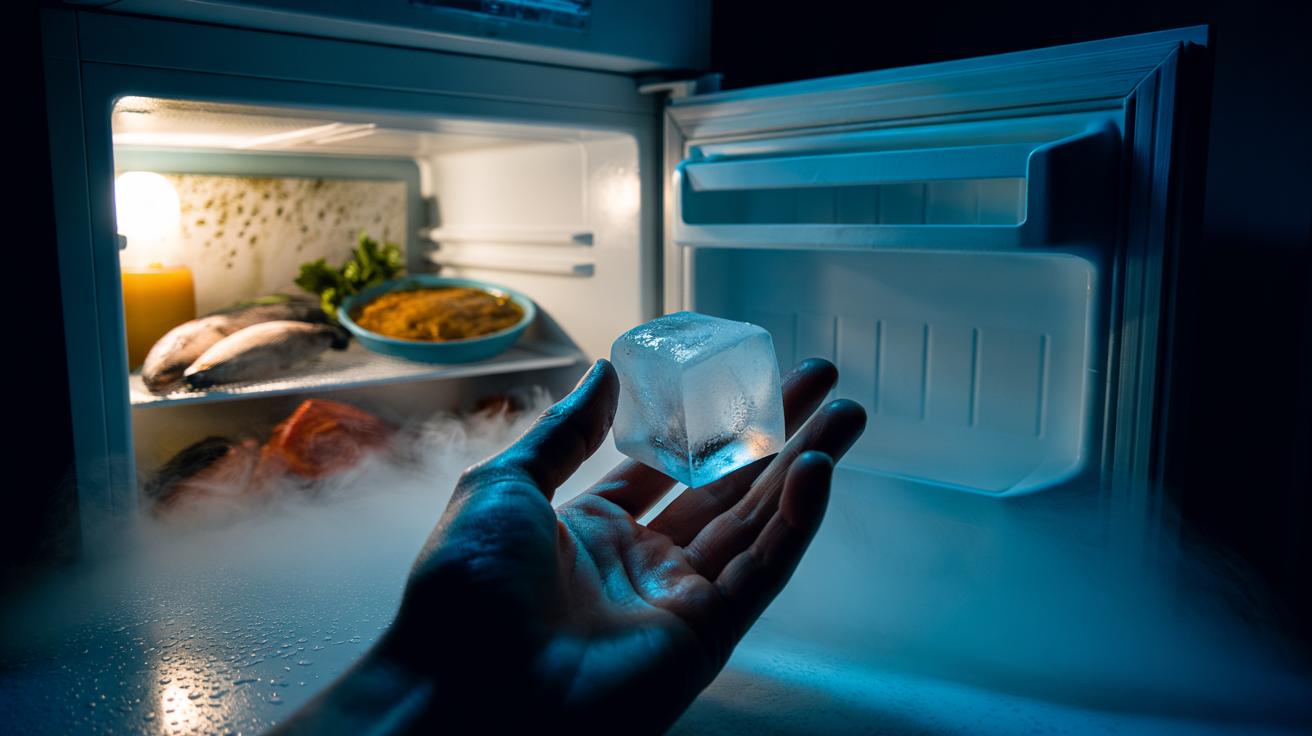
Open your freezer and pull out an ice cube. That tiny block is a surprisingly powerful diagnostic tool. The so‑called ice cube tray test exposes the odours, residues, and temperature inconsistencies that quietly build up in even the tidiest kitchen. Freezers absorb smells from uncovered food, trays harbour biofilm, and fluctuating temperatures warp ice crystals. A single cube can reveal all three issues in minutes. Here’s how the method works, what your results mean for food safety and taste, and the simple routine that keeps your fridge and freezer fresh, efficient, and hygienic. If you have ever wondered why your drinks taste “freezery” or why produce spoils early, this test delivers immediate answers.
What the Ice Cube Tray Test Reveals
Ice is a sponge for volatile compounds. When you freeze clean water in a clean tray and then smell or melt the cube, any off‑aroma points to odour transfer from exposed foods, spills, or a stale drip tray. Cloudy centres are normal with tap water, but cloudiness plus a sour, meaty, or chemical scent suggests spoiled residues or packaging breakdown. If a fresh cube smells like last night’s curry or fish, your appliance is broadcasting contamination. Texture tells a story too: frosty rims, spiky “feathers,” or split cubes often indicate temperature swings from overloaded shelves, blocked vents, or door seals that leak cold air.
The tray itself can betray hidden grime. A slimy feel or grey film on channels signals biofilm—a matrix of microbes that resists casual rinsing and seeds new growth. Specks frozen inside cubes often come from flaking gasket mould, crumb debris, or rust from neglected racks. If the test is performed with boiled, cooled water and a freshly washed tray, yet the cube picks up flavour, the culprit is likely ambient freezer air or the fridge section below, where uncovered foods release odours that migrate upward.
How to Perform the Test Step by Step
First, create a clean baseline. Wash an ice tray with hot water and detergent, then rinse well and air‑dry. Fill with boiled and cooled water or filtered water to reduce mineral haze. Place the tray in an uncluttered freezer space with vents unblocked. Freeze for at least 8 hours. When set, remove one cube and place it on a white saucer to melt slightly; then smell the surface. Never taste suspicious ice. If you want to check odour absorption in the fridge compartment, place one fresh cube in an empty glass on a middle shelf for 12 hours, then assess its scent.
For temperature clues, observe shape and clarity. Warping, cracks, or excessive frost on the cube’s surface suggest thermal fluctuation or humid air ingress from frequent door openings. Repeat the test after removing old, uncovered items and after a light clean to compare results. For thoroughness, add a fridge thermometer to verify that the fridge runs at 0–5°C and the freezer at –18°C. If ice aromas improve after basic tidying, you’ve confirmed odour transfer; if not, plan a deeper clean and gasket check.
What Your Results Mean and Why It Matters
A neutral‑smelling cube indicates clean, odour‑controlled air and stable temperatures. A cube that smells rancid, cheesy, fishy, or perfumed points to uncovered fats oxidising, spilled liquids, or scented cleaners off‑gassing. Specks encased in ice hint at loose debris; a sweet, musty note can signal mould in gaskets or the drip tray. Odour transfer is not just unpleasant—it’s a marker of hygiene lapses that can shorten shelf life and mask early spoilage cues. Repeatedly cracked or irregular cubes usually trace back to warm air entry, overstuffed shelves, or a thermostat that allows wide swings.
| Observation | Likely Cause | Action |
|---|---|---|
| Fishy/garlicky cube | Uncovered foods; odour migration | Cover items; add odour absorber; clean interior |
| Rancid/fatty note | Oxidising meat/cheese; spills | Discard old items; degrease shelves and bins |
| Musty/sweet | Mould in gasket/drip tray | Clean seals; empty and sanitise drip tray |
| Cracked/feathery ice | Temp swings; blocked vents | Reduce load; check seals; set correct temperature |
Why it matters: taste suffers first, then safety and energy bills. Off‑odours contaminate ice and drinks, while biofilm and warm spots let microbes settle and proliferate on ready‑to‑eat food. Addressing the source improves flavour, slows spoilage, and helps your appliance run efficiently. The test gives a quick, low‑cost snapshot that guides targeted cleaning rather than guesswork.
Deep-Cleaning and Prevention: A Practical Routine
Start with a clear‑out. Bin expired food and decant pungent items into airtight containers. Turn the appliance to its coldest safe setting or temporarily move contents to a cool bag. Wash shelves, bins, and trays in hot soapy water, then rinse and dry. Wipe interior walls with a solution of bicarbonate of soda (1 tablespoon per litre of warm water) to neutralise odours. For seals, use a soft brush and mild detergent. Do not mix bleach with vinegar or other cleaners. If odours persist, sanitise non‑food‑contact crevices with a food‑safe disinfectant following label directions, then ventilate.
Maintenance keeps the cube test passing. Set the fridge to 0–5°C and the freezer to –18°C; verify with an independent thermometer. Cover leftovers, wrap cheeses, and keep raw meats on the lowest shelf in leak‑proof containers. Replace cracked trays, and swap in an odour absorber—bicarbonate of soda, activated charcoal, or coffee grounds—every two to three months. Clear vents, avoid overfilling, and inspect door gaskets for gaps. A 10‑minute weekly wipe prevents the slow build‑up that taints ice and accelerates waste.
A little sleuthing with an ice cube can reset your relationship with the fridge. The ice cube tray test is fast, inexpensive, and revealing, pointing directly to the habits and hotspots that undermine freshness. Run the test today, act on the results, and you’ll taste the difference in your water, cocktails, and even your leftovers. Clean air equals better food and less waste. What will your next ice cube tell you about your kitchen—and which small change will you make first to keep it pristine?
Did you like it?4.6/5 (24)