In a nutshell
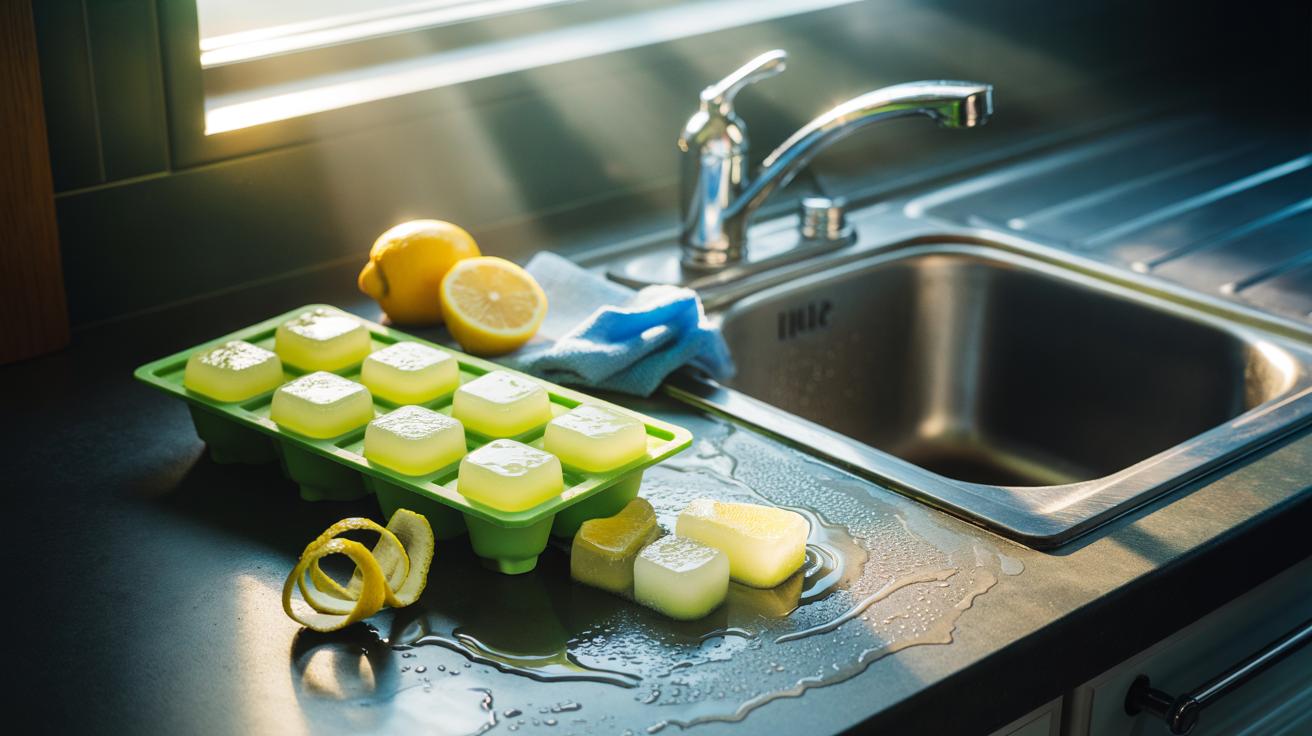
- 🍋 Freeze lemon juice, zest and water into portioned cubes that release citric acid and aromatic limonene to lift grease, soften limescale and deodorise as they melt.
- 🧪 As cubes thaw, the latent heat of fusion cools surfaces while meltwater spreads actives; citric acid chelates minerals and tackles odours—let it dwell for 60–90 seconds where smells linger.
- 🧽 Use on chopping boards, sinks, taps, bins, microwaves and dishwashers; rub, allow brief contact, then wipe and rinse—melt a cube in a bowl for cloth application to stretch a single dose.
- ⚠️ Safety first: don’t mix with bleach or strong alkalis, avoid natural stone like marble, test discreetly, and rinse food-contact surfaces; label trays to prevent mix-ups with drinking ice.
- 🧊 Choose a BPA‑free silicone tray with a lid; pick cell sizes for melt speed, store cubes bagged for up to three months, and customise with peel, a pinch of salt, or herbs.
There’s a simple, thrifty trick sweeping British kitchens: fill an ordinary ice cube tray with lemon juice, zest and water to create ready-to-go cleaning cubes. Pop one out, swipe it across a surface, and let the thaw do the hard work. As the cube melts, it releases a measured dose of citric acid and aromatic oils that lift grease, soften limescale, and neutralise stubborn odours. Drop, wipe, and rinse: that’s the entire routine. The result is a naturally fresh finish that avoids harsh chemicals while fitting neatly into a busy schedule. Here’s how these cubes freeze, melt and deodorise on contact—and how to get the best out of a humble tray.
How Lemon Ice Cubes Work in the Tray
The easiest recipe uses fresh lemon juice, a little finely grated zest, and water at a ratio of about 2:1:3. The water ensures an even freeze and slower release; the juice delivers active acidity; the zest contributes fragrant limonene from the peel. Pour into a food‑grade silicone tray with a lid to prevent freezer odours. Freeze overnight. Each cube becomes a portion-controlled cleaning capsule that you can use on sinks, chopping boards, drains, bins, and taps. Because the dose is pre-measured, you avoid wasting ingredients and over-saturating surfaces, which speeds drying and reduces streaking.
For a degreasing boost, press a small strip of peel into each cell so oils release as the cube softens. You can also add a pinch of salt for light abrasion, or a drop of washing-up liquid to help emulsify fats—though keep it minimal to curb suds. Avoid mixing lemon with bleach or strong alkalis; acid plus chlorine-based cleaners can produce dangerous fumes. Label trays clearly to keep them separate from food ice. Stored covered, the cubes stay potent for up to three months.
The Science of Melting and Deodorising
When a lemon cube touches a warm worktop or sink, its latent heat of fusion absorbs energy as the ice transitions to liquid. That cooling slows bacterial activity while the meltwater distributes citric acid and essential oils evenly. Citric acid chelates calcium and magnesium ions, softening limescale rings and water marks. It also helps break the bond between fats and surfaces. Meanwhile, peel-derived limonene acts as a light solvent on greasy residues, loosening films that cling to stainless steel and plastic.
Odour control relies on simple chemistry and contact time. Many kitchen smells stem from alkaline compounds such as amines; acidity neutralises them, while aromatic citrus oils mask lingering notes. The mild abrasion of ice helps lift dried spills without scratching, and the controlled melt extends the reaction window—no need to soak. Let the cube sit for 60–90 seconds where odours linger, then wipe and rinse. Done correctly, you get a fresh, not perfumed, finish.
Practical Ways to Use Lemon Cubes Around the Home
For chopping boards, glide a cube across the surface, focusing on knife grooves. Leave the melt to stand for two minutes, then scrub with a brush and rinse. On stainless steel sinks and taps, rub gently to cool the metal, let the solution dwell, and buff dry with a microfibre cloth. In fridges, wipe seals and shelves with meltwater on a cloth rather than direct ice to avoid frost damage. A single cube goes a long way if you melt it into a small bowl and dip your cloth, which also keeps fingers warm.
| Area | Cube Recipe | Contact Time | Tip |
|---|---|---|---|
| Chopping boards | Lemon juice + zest | 2–3 minutes | Rinse and air-dry upright |
| Sinks & taps | Lemon with a pinch of salt | 1–2 minutes | Buff with microfibre to prevent spots |
| Microwave | Melted lemon cube in a bowl | Wipe immediately | Steam first for baked-on splatters |
| Bins & drains | Lemon + peel | 3–5 minutes | Flush with hot water after dwell |
For bathroom taps or glass, run a cube over marks and leave the drips to work. Rinse thoroughly to avoid stickiness from sugars in fresh juice. If you’re cleaning stone such as marble, skip acidic cubes; choose pH‑neutral methods to protect the finish. Never combine lemon cubes with bleach-based toilet gels or sprays. To freshen a dishwasher, drop a cube on the empty floor and run a short hot rinse—this deodorises rubber seals and helps dissolve light film, though it won’t replace a deep descale when needed.
Choosing the Right Tray and Storage Tips
Look for a flexible, BPA-free silicone tray with a tight-fitting lid; this prevents freezer smells migrating into the cubes and stops spills when carrying the tray. Standard 20–25 ml cells suit most jobs. If you want longer dwell for drains or bins, pick a large-cell or sphere mould for slower melt and stronger dose. Clear labelling helps prevent accidental use in drinks. Keep cleaning cubes on a separate freezer shelf to avoid mix-ups, and rotate stock so older batches are used first.
For storage, freeze cubes solid, pop them into a labelled freezer bag, and squeeze out air. They retain punch for about three months before aromas fade. To customise, freeze a layer with lemon, then top up with water for a gentler release, or add a thyme sprig for a subtle antimicrobial lift. Always test on a small, inconspicuous area—especially lacquered wood and natural stone. Rinse food-contact surfaces after use to remove acidic residue and any loosened debris.
Lemon ice cubes turn a routine spruce-up into quick, satisfying wins: they clean, they brighten, and they leave spaces smelling naturally fresh. The measured portions make it easy to tackle small jobs immediately, without mixing bottles or hauling caddies. With the right tray and a few safety habits, you can keep a stash ready for sinks, boards, bins and rubber seals that often harbour odours. It’s an affordable, low-waste habit that slips neatly into daily life. How will you tailor your cubes—stronger for drains, gentler for fridges, or infused with herbs for a signature household scent?
Did you like it?4.4/5 (27)