In a nutshell
- 🦠 Remote controls are germ hotspots with crevices that trap oils and debris; effective hygiene is a two‑step process: clean first, then disinfect to break transfer from surface to hand to face.
- 🔬 Alcohol inactivates microbes via protein denaturation and lipid dissolution; it’s potent against enveloped viruses but weaker on spores and some non‑enveloped viruses, working best at 60–90% strength.
- ⚠️ A vodka spray is a limited fix: standard vodka (~40% ABV) is below the recommended 70% for reliable disinfection, is flammable, and can damage plastics—so it’s not a hospital‑grade disinfectant or “instant” solution.
- 🧴 Best practice for remotes: use 70% alcohol (isopropyl or ethanol) on a pre‑cleaned surface, keep it wet for 30–60 seconds, apply with a cloth to avoid seepage, and let it air‑dry fully.
- ✅ Practical takeaway: treat vodka as a stopgap; a consistent method—right concentration, contact time, and device‑safe application—delivers dependable, everyday electronics hygiene.
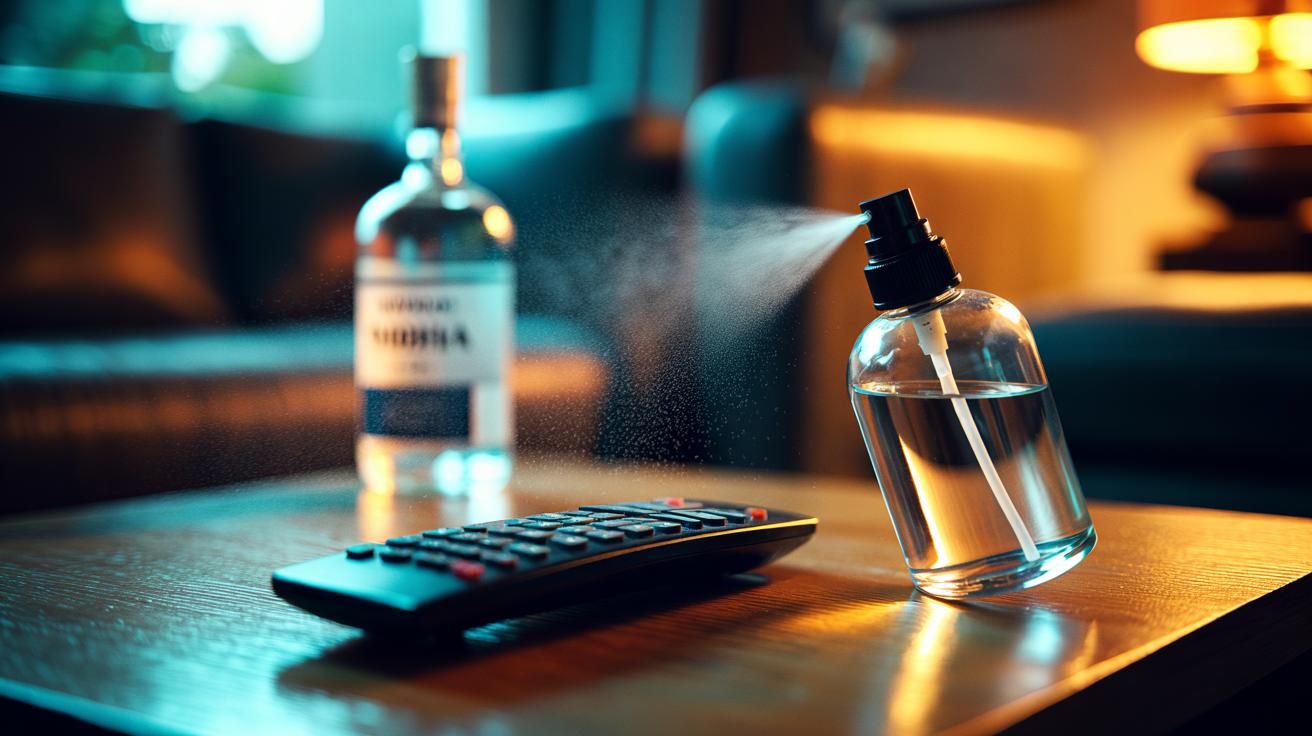
The humble TV remote is a notorious germ carrier, passed from hand to hand, dropped between cushions, and rarely cleaned. A viral hack suggests a quick spritz of vodka to disinfect it instantly. In a nation that prizes practical fixes, the idea sounds perfect: easy, cheap, and already on the shelf. But does bar‑cart alcohol actually neutralise microbes, and can it do so safely for your electronics? This piece looks at the science behind ethanol, how it acts on bacteria and viruses, and whether a vodka spray is smart hygiene or risky theatre. Understanding how alcohol works—and where it falls short—is the key to a cleaner, safer remote.
Why Remote Controls Are Germ Hotspots
Remote controls are high‑touch surfaces with nooks, seams, and textured buttons that trap skin oils, crumbs, and dust. These micro‑environments shield microbes from disinfectants and make it easy for contamination to build up. Homes often see dozens of touches a day across different users, while hotel rooms and offices multiply the exposure. Phones get cleaned; remotes, far less so. Because remotes are touched before eating, after coughing, and during illness, they can act as convenient shuttles for pathogens. The result is a device that quietly accumulates biological debris, then transfers it back to fingertips, tabletops, and doorknobs.
From a materials perspective, most remotes are built from ABS plastics, silicone rubber, and printed coatings. These surfaces tolerate some solvents but not all. Oil, sweat, and skin care residues can also create a thin film that reduces the reach of disinfectants. That’s why effective cleaning is two‑step: first remove grime, then disinfect. Skipping the clean-and-wipe stage makes any disinfectant—vodka included—less reliable. Ultimately, the focus is not only on killing microbes but on breaking their chain of transfer from surface to hand to face.
How Alcohol Disrupts Bacteria and Viruses
Alcohols such as ethanol and isopropanol inactivate microbes through two main actions: protein denaturation and lipid dissolution. They unfold critical proteins and puncture the fatty envelopes that surround many viruses, including influenza and coronaviruses. Enveloped viruses are generally easier to neutralise than non‑enveloped viruses, which lack that lipid shell and show greater resilience. Gram‑negative and Gram‑positive bacteria are vulnerable when alcohols disrupt membranes and coagulate intracellular proteins.
Water content matters. 60–90% alcohol by volume performs best because water slows evaporation and helps proteins unfold. Too weak and the solution lacks punch; too strong and it evaporates before deep action occurs. Spores and certain hardy microbes remain resistant. Alcohol is a potent tool, but not a universal steriliser. Contact time is crucial: the surface should stay visibly wet for long enough—typically around 30–60 seconds—to achieve a meaningful kill rate. Organic soil (grease, food, makeup) can shield microbes, making prior cleaning essential for reliable results.
Vodka Spray: Quick Fix or False Sense of Security?
Standard vodka is about 40% ABV (80 proof). That’s below the concentration widely recommended for surface disinfection, which sits closer to 70% alcohol. Put simply, standard vodka is not a hospital‑grade disinfectant. It may reduce microbial load, especially on already‑clean surfaces, but claiming it “disinfects instantly” overstates the science. Even higher‑proof spirits evaporate quickly and still require contact time. Flavoured vodkas are worse: added sugars and aromatics leave residues that interfere with action and can gum up buttons.
There are practical risks. Alcohol is highly flammable, so spraying near heat sources, candles, or chargers is unwise. Frequent soaking can cloud plastics, fade printed icons, or loosen adhesives under keypads. If you choose to use vodka in a pinch, decant into a fine‑mist sprayer, avoid oversaturation, and keep liquid away from battery compartments. Better still, use products formulated for electronics—such as 70% isopropyl alcohol—and remember that cleaning first, then disinfection, delivers far more consistent hygiene than a single hurried spritz.
What Concentration and Contact Time Actually Work
The most reliable results come from 70% alcohol solutions—either ethanol or isopropyl—applied to a clean surface and left to stay wet briefly. For remotes, aim to keep the surface visibly damp for 30–60 seconds, then let it air‑dry. Pre‑clean with a slightly damp microfibre cloth and a drop of mild detergent to lift oils, then apply alcohol with a lint‑free cloth or light mist. Don’t flood seams or buttons. This approach balances microbial kill with the realities of electronics, avoiding drips while ensuring adequate exposure.
| Product | Alcohol Type | Typical Strength | Expected Efficacy on Remotes | Suggested Wet Time | Notes |
|---|---|---|---|---|---|
| Vodka (standard) | Ethanol | ~40% ABV | Limited; may reduce germs, not reliable disinfection | ≥60 s (often dries too fast) | Avoid flavoured variants; residue risk |
| Ethanol solution | Ethanol | ~70% v/v | Good against bacteria and enveloped viruses | 30–60 s | Use on pre‑cleaned surfaces |
| Isopropyl alcohol | Isopropanol | ~70% v/v | Reliable for electronics; fast‑evaporating | 30–60 s | Common in screen/keyboard wipes |
| High‑proof spirit (diluted) | Ethanol | 95% cut to 70% | Comparable to 70% ethanol when mixed correctly | 30–60 s | DIY mixing errors reduce efficacy |
| Alcohol wipes | Ethanol/Isopropanol | ~70% v/v | Convenient and consistent | Keep surface wet during wipe | Check device manufacturer guidance |
The rule of thumb is simple: correct strength, clean surface, adequate wet time. If you can’t achieve those three, you’re sanitising rather than disinfecting. For fragile remotes, dampen a cloth rather than spraying directly; this limits seepage. Finish by letting the device dry fully and washing hands. Store alcohol away from heat and children, and never mix with bleach or ammonia. With these habits, you get predictable hygiene without sacrificing the remote’s finish or function.
Vodka’s appeal is obvious: it’s accessible, familiar, and smells like a clean slate. Yet when it comes to remotes, science rewards precision. 70% alcohol on a pre‑cleaned surface, kept wet for a short spell, offers dependable protection without theatrical claims of “instant” disinfection. Think of vodka as a stopgap, not a standard. For households, hotels, and offices alike, small changes—right concentration, right method—deliver outsized benefits in reducing everyday germ transfer. What’s your plan for making remote cleaning a simple, regular ritual in your space?
Did you like it?4.5/5 (24)