In a nutshell
- 🧾 The envelope method sets clear cash caps per category; when an envelope is empty, spending stops, making impulse spending visible and easier to control.
- 🇬🇧 Practical UK setup: pick focused categories, allocate realistic cash, separate fixed bills from variable spend, keep a Buffer envelope, and decide rules before payday.
- 🧠 Behavioural edge: cash increases the “pain of paying,” scarcity sharpens choices, and a 24‑hour rule for non-essentials over £30 cools urges and reduces bargaining.
- 💳 Digital version without drift: use Monzo Pots, Starling Spaces, or nicknamed accounts, automate transfers, deploy prepaid caps, and make limits visible while adding small checkout frictions.
- 🛠️ Troubleshooting: apply a Freeze rule and IOUs for raided envelopes, tweak unrealistic budgets gradually, use a Yes Fund for social plans, and track triggers, not just totals with a clean reset each refill.
Some habits are born from routine. Others from panic buying at 11 p.m. after an ad has done its worst. The envelope method is an old-fashioned fix for a modern money problem: impulse spending. It replaces vague intentions with visible limits you can hold in your hand. No apps. No guesswork. Just categories, cash, and clarity. It’s stark yet surprisingly liberating. By turning budgets into envelopes, you create small guardrails that nudge daily decisions in the right direction. That’s the genius. Simple rules, low effort, fewer regrets. Let’s unpack how it works, why it works, and the tweaks that make it stick in the UK.
What Is the Envelope Method?
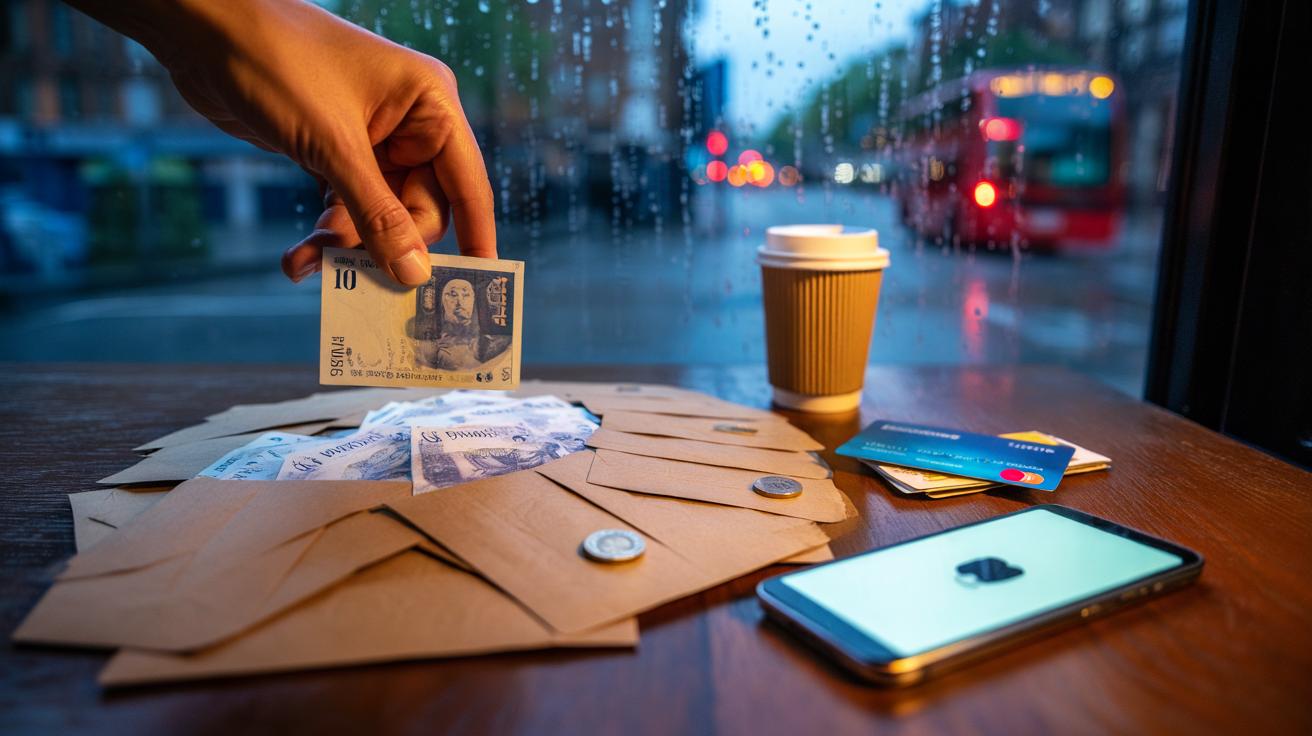
The envelope method assigns specific spending categories to physical envelopes stuffed with a planned amount of cash at the start of a period, typically a week or month. You might label them “Groceries”, “Transport”, “Fun”, “Coffees”, and “Gifts”. When the money in an envelope runs out, that category is done. When the envelope is empty, the spending stops—no exceptions. The clarity is immediate and disarming; you see limits at a glance rather than discovering them after a painful bank alert.
Why it works is behavioural, not technical. Cash is tactile. It makes value feel real, which delays snap judgments and cools the emotional rush of a quick purchase. The method also creates caps by design. Instead of fighting every temptation, you outsource discipline to a simple system. It’s budgeting with training wheels, and the wheels are visible, countable notes. Visibility cuts through noise and curbs the urge to “wing it”.
Setting Up Your Envelopes in the UK
Start by listing essential categories, then add the discretionary ones where impulse spending tends to strike. Use your last two months of statements as a reality check. Allocate a realistic amount per category in cash. Separate your fixed bills (paid by direct debit) from variable spending (better for envelopes). Keep a small “Buffer” envelope for one-off surprises. Decide rules before payday, not in the shop queue. That timing matters.
Here’s a simple snapshot to get you moving. Tweak the numbers to fit your income and city costs, but keep the categories narrow enough to be meaningful and broad enough to be manageable.
| Envelope | Weekly Budget (£) | Typical Triggers | Quick Rule |
|---|---|---|---|
| Groceries | 70 | Upsells, meal deals | Shop with a list |
| Transport | 35 | Peak fares, last-minute taxis | Cap with travelcard |
| Coffees & Snacks | 15 | Workday fatigue | Two treats per week |
| Fun/Misc | 25 | Social pressure | Sleep on big buys |
| Gifts | 10 | Last-minute birthdays | Plan one month ahead |
Psychology: Why Cash and Caps Tame Urges
Impulse buying thrives on frictionless payments and catchy cues. Contactless cards lower the “pain of paying”. Cash does the opposite. You feel the loss of notes, which slows action just enough to ask, “Do I actually want this?” Capping categories contains decision fatigue. Instead of negotiating with yourself a dozen times a day, you follow a pre-set boundary. Boundaries reduce bargaining with your future self. That’s powerful when you’re tired, stressed, or distracted.
There’s also the effect of scarcity. Seeing £12 left in “Coffees & Snacks” nudges you to stretch it, perhaps by choosing homemade options or skipping a second latte. The method creates micro-deadlines that encourage trade-offs you can live with. Combine this with a small 24-hour rule for non-essentials over £30 and you blunt the emotional spike that advertisers count on. Small frictions, big gains.
Digital Adaptations Without Losing Discipline
Cash doesn’t suit everyone. Safety, accessibility, and convenience matter. You can replicate envelopes with UK banking features: Monzo Pots, Starling Spaces, or separate savings accounts nicknamed by category. Move money on payday, not ad hoc. Automate “sweeps” into these pots, then spend from the main account only when transferring a set amount for that envelope’s period. Digital envelopes work if transfers are rare and rules are fixed.
To keep the tactile effect, display balances on your phone’s home screen and set low-balance nudges. Turn off one-click checkout. Delete stored cards on shopping sites. Use prepaid cards with hard limits for “Fun/Misc” to mimic cash caps. The principle remains: make limits visible, make access slightly inconvenient, and stop the leak at the point of purchase, not in next month’s recap.
Troubleshooting Common Pitfalls
Problem one: raiding envelopes. Solution: add a “Freeze” rule—if one envelope empties, you either wait or borrow only from “Fun/Misc” and write an IOU in the empty envelope. Problem two: unrealistic budgets. Fix with a rolling tweak—adjust by £5-£10 per week for three weeks until it fits. Budgets should be tight, not punishing. Problem three: social pressure. Suggest cheaper alternatives upfront and set a monthly “Yes Fund” to say yes without guilt.
Receipts pile up? Photograph and bin. Cash feels risky? Use digital pots plus a single weekly cash withdrawal for the one category that trips you up most, like snacks or taxis. If you overspend, don’t quit. Reset at the next refill date and note the trigger—time of day, mood, or marketing. Track triggers, not just totals. That’s how a spending plan becomes a behaviour change.
The envelope method endures because it respects human nature. It adds just enough friction to interrupt a costly habit, yet not so much that you abandon it at the first rainy day. Whether you use paper envelopes, bank pots, or a mix, the rule is the same: clear limits beat willpower alone. Start small, refine weekly, and celebrate boring consistency—the mark of financial calm. Which category would you envelope first, and what one rule would make it genuinely hard to overspend there?
Did you like it?4.5/5 (28)