In a nutshell
- 🧠 The cue–routine–reward loop explains how a cue triggers a routine that earns a reward, with cravings shifting to the cue over time; the loop is value‑neutral and can drive helpful or harmful behaviours.
- 🧩 Automation arises as the basal ganglia (dorsolateral striatum) “chunks” actions while the prefrontal cortex steps back; dopamine prediction errors teach the loop, and the hippocampus ties habits to context.
- ⏰ Habits harden with consistent cues and immediate rewards; under stress or sleep loss, control shifts to default routines, while changing context and adding friction can weaken old loops.
- 🔧 To redesign behaviour, audit the cue, keep the underlying reward, and swap the routine; use simple if–then plans to pre‑load better responses that deliver the same payoff.
- 🏗️ Shape the environment: add friction to bad loops, remove it from good ones, use habit stacking, and make rewards visible and immediate so the desired action becomes the easiest path.
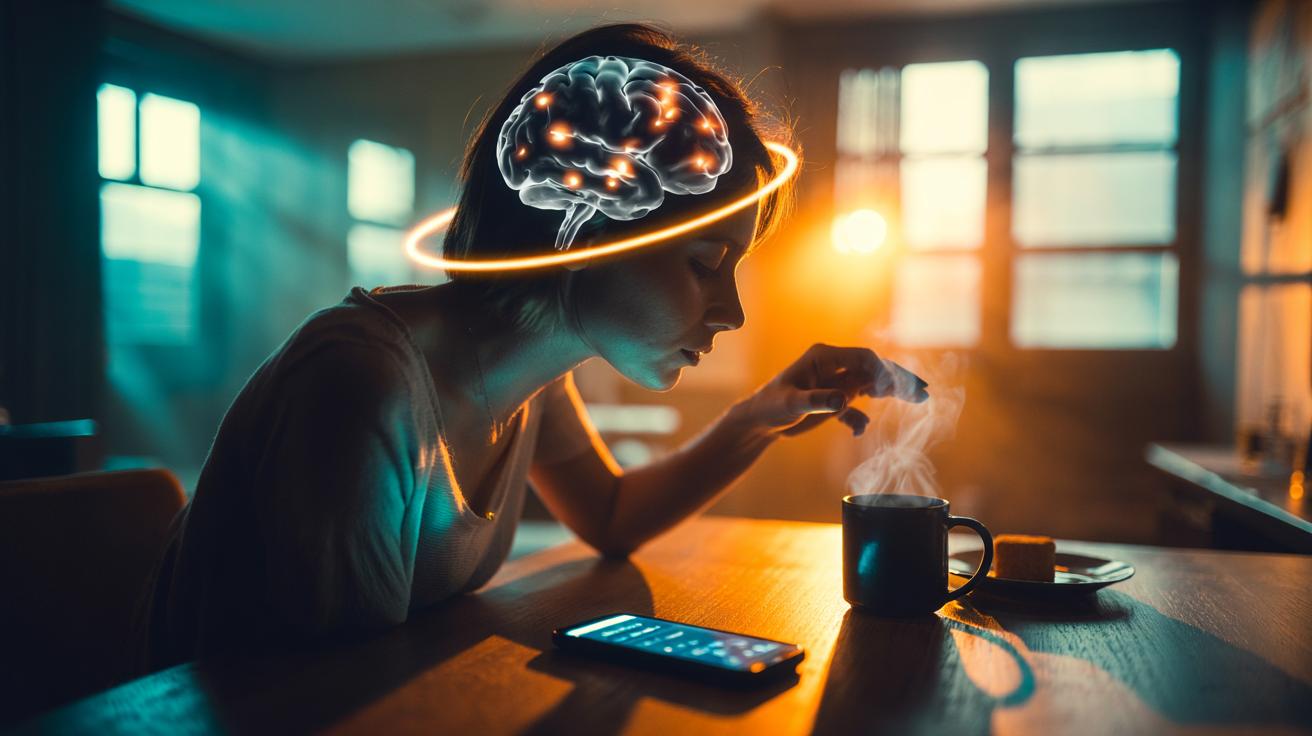
Everyday life runs on a quiet autopilot. You unlock your phone, reach for a biscuit, scroll the news—often without asking why. Behind these micro-moves is a compact mechanism psychologists call the habit loop: a cue triggers a routine, which delivers a reward. Over time the brain outsources control to energy‑efficient circuits, turning effort into instinct. Habits free up mental bandwidth, but they also cement behaviours you never consciously chose. Understanding how this loop forms—and how it can be redirected—lets you keep convenience while reclaiming control. Here is how your brain stitches patterns together, and how you can unpick and resew the ones that matter.
What Is the Cue–Routine–Reward Loop?
The loop begins with a cue: time, place, emotional state, people, or a preceding action. Your brain recognises that pattern and launches a routine—an action or sequence of actions. If the outcome feels good, the reward stamps in the association. Early on, the reward sparks satisfaction; later, the cue itself provokes a craving, propelling the routine almost automatically. The loop is value‑neutral—equally capable of building a daily run or a late‑night doomscroll. Because it is compact and repeatable, industries from retail to social media tune cues and rewards to hijack attention.
Neuroscience traces this to the basal ganglia, especially the striatum, which excels at “chunking” actions. The prefrontal cortex sets intentions, but as repetitions grow, control shifts subcortically. Dopamine marks prediction and learning: when a result is better than expected, levels rise and wire the loop tighter; when it disappoints, signals fall and the loop loosens. Consistency of cues and immediacy of rewards harden habits fastest. If you learn to spot the cue and preserve the reward while swapping the routine, you rewrite the loop without fighting your own biology.
| Component | What to Look For | Brain System | Everyday Example |
|---|---|---|---|
| Cue | Time, location, mood, people, preceding action | Hippocampus, sensory cortex | 11 a.m. lull triggers tea craving |
| Routine | Behaviour sequence launched by cue | Basal ganglia (dorsolateral striatum) | Walk to kettle, biscuit by habit |
| Reward | Pleasure, relief, closure, social signal | Dopamine circuits | Warmth, sweetness, quick energy |
How Your Brain Automates Behaviour
On day one, your prefrontal cortex works hard to choose and supervise each step. After repetitions, the brain “chunks” the steps, with the dorsolateral striatum initiating and terminating the sequence as a single unit. The energy saved is real: attention and working memory can shift elsewhere while the routine runs. Automation is a feature, not a flaw—but it obeys whatever you rehearse. Under stress or sleep loss, the balance tilts towards habits, which is why tired evenings resurrect old routines you thought you had left behind. Stability of context acts like glue for these patterns.
Dopamine prediction errors are the tutor. When an outcome beats expectation, dopamine spikes, tagging the cue and routine as valuable. When outcomes underwhelm, the signal dips, prompting adjustment. Over time the peak moves from the reward to the cue, which is why a notification sound can feel oddly compelling on its own. Memories of context from the hippocampus make habits highly location‑specific; move house, and stale routines often weaken. If you want a habit to stick, make the cue consistent and the reward quick. If you want it to fade, change the context and add friction.
Designing Better Habits (and Breaking Bad Ones)
Start by auditing the loop. Log a week of the target behaviour and note the cue category: time, place, mood, people, or previous action. Keep the reward—the feeling you actually seek—and swap the routine. For stress‑snacking, the reward might be relief or a pleasant mouthfeel. Substitute a routine that delivers a similar payoff: sparkling water, a short walk, or a chat. Change the cue or the reward, and the old routine loses oxygen. Use “if–then” plans: “If it’s 3 p.m. and I feel flat, then I brew peppermint tea and go outside for two minutes.”
Engineer the environment. Add friction to bad loops (log out, move biscuits out of reach), and remove friction from good ones (kit laid out, apps on the front screen). Tie new behaviours to existing anchors with habit stacking: “After I brush, I floss one tooth.” Make rewards immediate: a tick on a visible calendar, a message to an accountability buddy. Small, consistent wins beat heroic bursts. For entrenched habits, combine substitution with delays and cues that disrupt automaticity—stand up, breathe, label the urge. The goal is not willpower; it is redesigning the loop so the easiest path is the right one.
Habits are the brain’s way of saving effort, packaging experience into shortcuts that run at the speed of context. When you master the cue–routine–reward loop, you turn automation from a hidden driver into a deliberate tool. Start by watching your triggers, then preserve the reward while upgrading the routine, and shape the environment so good choices happen on default. Progress rarely feels dramatic, but it compounds. Which single cue in your day could you change this week, and what satisfying replacement routine would make that new loop effortless to repeat?
Did you like it?4.5/5 (20)