In a nutshell
- 💆♀️ Scalp massage supports growth via microcirculation, mechanotransduction, and tension release across the galea; consistency, not force, drives benefits.
- 🧠 Technique: use fingertip pads, small anchored circles, and 3–5/10 pressure—move the scalp, not the hair—target 4 minutes daily; if using minoxidil, massage first, apply after.
- 🧴 Oils & tools: light jojoba or argan for slip, peppermint only at 1–2% dilution; a soft silicone brush can help, cleaned weekly, while electric massagers stay on the lowest setting.
- ⚠️ Safety: avoid massage during active inflammation, post-transplant periods, or over irritated skin; nails and harsh friction are off-limits—let comfort be your compass.
- 📈 Track progress: take consistent photos every eight weeks, note shed-count trends and coverage changes, and allow several months—hair biology runs on seasons, not days.
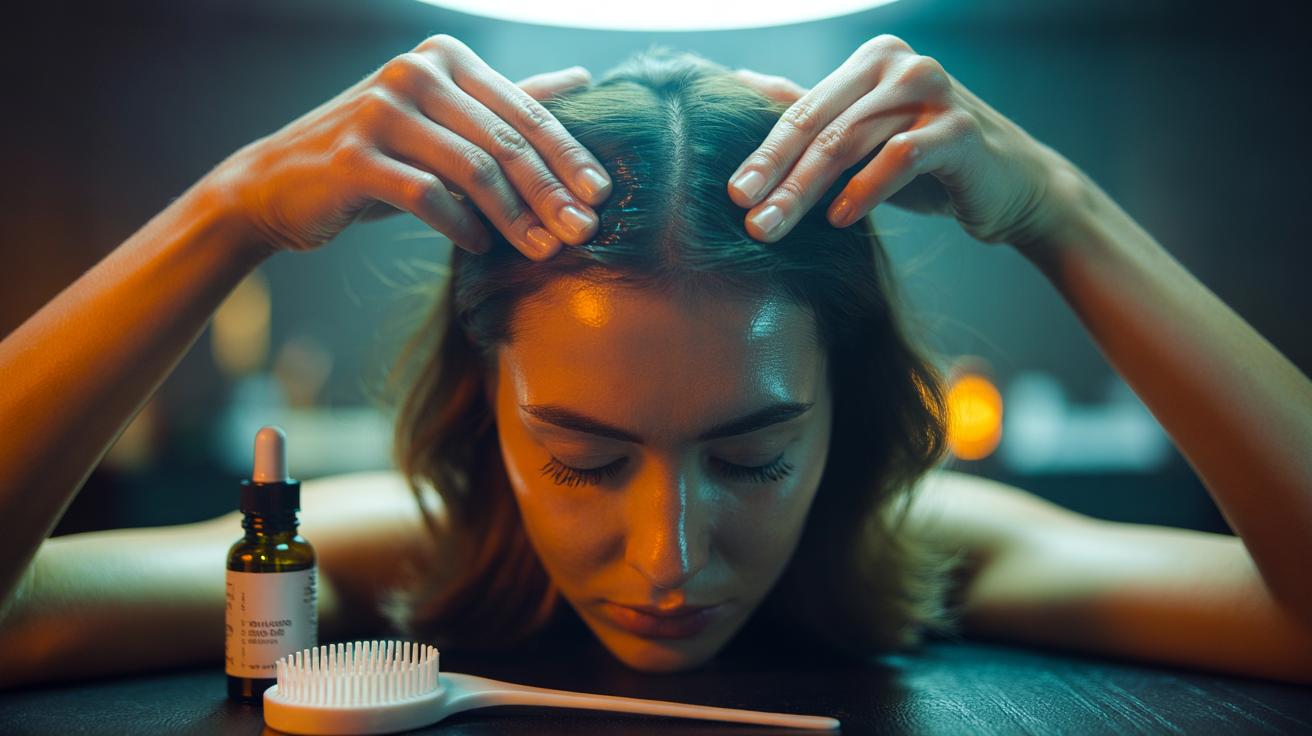
Ask a trichologist about hair growth and you’ll hear an unexpected prescription: your hands. Strategic scalp massage can complement medical care, encouraging a healthier environment for follicles and calmer nerves for you. The practice is simple, inexpensive, and soothing. It is not a miracle, but it is a method. Consistency, not force, is what moves the needle. By improving microcirculation, easing scalp tension, and nudging cells that orchestrate growth, targeted touch helps your hair’s natural rhythms. Below, trichologists explain why massage matters, how to do it properly, which tools to consider, and the safety rules that separate helpful stimulation from harmful rubbing.
How Scalp Massage Stimulates Growth
Trichologists point to three mechanisms. First, microcirculation: rhythmic pressure encourages blood flow around follicles, bringing oxygen, glucose, and micronutrients to the dermal papilla—the “command centre” for hair production. Second, mechanotransduction: gentle stretching and compression signal skin cells to release growth-mediating factors, supporting anagen (the active phase) and scalp tissue remodelling. Third, tension relief: many adults carry tightness across the galea aponeurotica, a sheet of connective tissue on the scalp. Easing that tension can reduce local inflammation and improve the biomechanical environment for hairs. You are not forcing hair to grow; you’re optimising the setting in which it grows. That nuance matters.
There’s encouraging, though modest, evidence. Small trials suggest four minutes of daily massage may increase hair thickness over several months. Clinicians also note indirect gains: massage lowers sympathetic arousal, nudging the parasympathetic system and potentially lowering cortisol spikes that can exacerbate shedding. It pairs well with medical treatments, nutrition, and stress management. Think of massage as a supportive, long-game strategy. Results are gradual because hair biology is slow; shafts you see today reflect decisions follicles made months ago.
Step-by-Step Technique and Pressure Cues
Begin with clean, dry or lightly oiled hair. Sit upright. Relax your jaw and shoulders. Place warm fingertips (pads, not nails) at the temples. Use slow effleurage strokes toward the crown for 30 seconds. Switch to small, anchored circles—about the size of a 10p coin—moving methodically across the scalp: temples to crown, nape to vertex, behind the ears to midline. Apply a pressure of 3–5 out of 10; firm enough to move the skin, never sliding over it. Do not drag the hair shafts—move the scalp, not the strands. Finish with gentle tapping and light stretching, lifting sections of scalp between fingertips.
Target around four minutes daily or eight to ten minutes three to four times per week. Short sessions win. Long ones are optional. If your scalp is sensitive, start with two minutes and build. Avoid vigorous friction on wet, fragile hair. Pre-shampoo? Excellent for product removal. Post-shampoo? Wait until hair is 80% dry to reduce breakage risk. If using topicals like minoxidil, massage first, apply once the scalp settles, then allow to dry; avoid diluting medication with oils. Comfort is your compass; pain is a stop sign.
Oils, Tools, and When to Use Them
Oils are optional. For balanced or dry scalps, 2–4 drops of jojoba or argan add slip without clogging. Curly or coily hair may benefit from a touch of coconut on the scalp and a richer oil along lengths to reduce friction. Essential oils require caution: peppermint can feel cooling but should be diluted to around 1–2% in a carrier. Evidence for rosemary is mixed; it’s not a guaranteed regrowth agent. If you’re acne-prone or have seborrhoeic dermatitis, go lighter and shorter. Wipe residue from the hairline to avoid comedones.
Tools help with consistency. A soft, silicone scalp brush can guide circular motion without nails. Electric massagers add rhythm but can be too aggressive; lowest setting only, and never on broken skin. Fine hair? Prefer fingertips to avoid tangling. Protective styles? Massage along accessible parts and the perimeter. Any tool should mimic sensitive fingertips, not outperform them. Clean brushes weekly with warm water and gentle shampoo to prevent biofilm build-up.
| Option | Best For | How to Use | Caveats |
|---|---|---|---|
| Jojoba oil | Normal to oily scalps | 2–4 drops on fingertips before massage | Minimal residue; still patch test |
| Argan oil | Dry, flaky scalps | 3–6 drops for added slip | May weigh down fine hair |
| Silicone brush | Guided circular motion | Low pressure, slow circles on dry scalp | Avoid on irritated skin |
| Peppermint (1–2% diluted) | Cooling sensation | Blend in carrier; use sparingly | Can irritate; avoid near eyes |
Safety, Frequency, and Measurable Progress
Trichologists set red lines. Avoid massage during active scalp inflammation—psoriasis flares, folliculitis, open sores, recent transplants, or after harsh chemical services. Those with traction alopecia should focus on tension relief around margins, not aggressive rubbing over thin areas. Newly increased shedding (telogen effluvium)? Be gentle and brief. If you experience pain, burning, or persistent redness beyond 30 minutes, stop and reassess pressure or products. Nails are off-limits. So are sharp bristles. Children and vulnerable scalps need featherlight touch.
As for cadence, keep it realistic: four minutes daily is the evidence-backed anchor. Pair with adequate protein, iron, vitamin D, and clinically supported topicals if prescribed. Track progress, not perfection. Take consistent, well-lit crown and hairline photos every eight weeks. Note fewer “see-through” areas, improved coverage, and easier styling. Use a shed-count estimate on wash days to spot trends, not day-to-day noise. Hair biology runs on seasons, not seconds. Give your routine at least three months before judging its merit.
Scalp massage will not replace medical treatment for underlying conditions, yet it can sharpen every other part of your routine. It costs little, reduces stress, and empowers you to care for the ground in which hair grows. Start small. Stay gentle. Let rhythm beat intensity. Over weeks, you may notice better scalp comfort, thicker ponytails, and calmer wash days. What pattern, tool, or oil are you most curious to try first—and how will you track your own progress to keep motivation high?
Did you like it?4.6/5 (22)