In a nutshell
- 🎯 The £1 face mist trick uses a pound‑shop fine atomiser filled with water plus glycerin (1–2%) or a splash of rosewater to rehydrate makeup, soften powders, and refresh skin without disrupting coverage.
- 🧭 Application: Fill with cooled water, add 3–4 glycerin drops per 50 ml, optionally rosewater; mist from arm’s length in an X + centre, wait 20–30 seconds, then lightly press with a sponge. For midday touch‑ups, blot oil first, mist, then add pinpoint concealer or powder.
- 🔬 Why it works: Targeted rehydration lets pigments “reflow,” reducing caking and micro‑creasing, while humectants hold moisture on the surface. A cloud‑like spray prevents watermarks—big droplets can break foundation.
- 💷 Value: Each refill costs ~£0.50–£1 versus £10–£30 for setting sprays, offering real savings and a more sustainable routine with fewer aerosols and less plastic.
- 🧪 Options and cautions: Try water + glycerin, water + rosewater, or cooled green tea (discard within 24 hours). Store away from heat, refresh every few days, patch test if sensitive, and avoid essential oils. For store‑bought, choose a fine spray and short ingredient list.
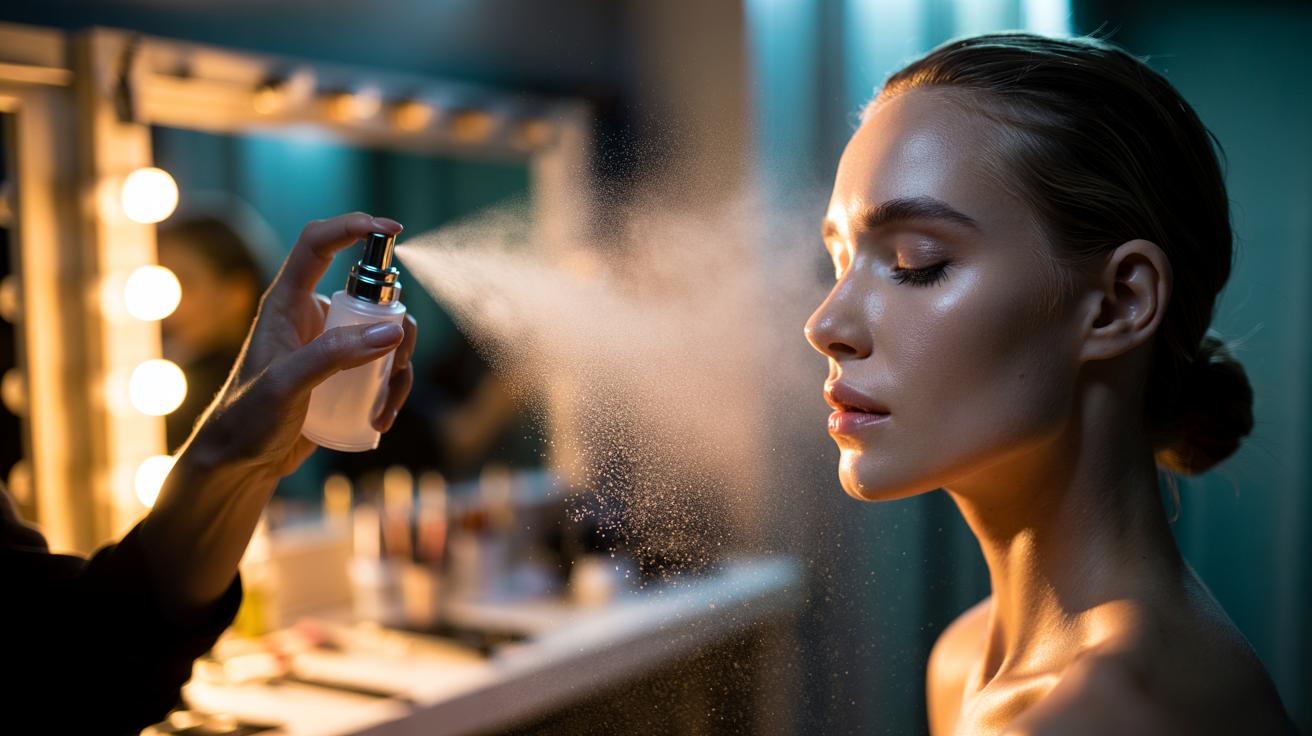
Backstage at London shoots, I keep seeing the same unassuming bottle. Not a luxe setting spray—just a £1 face mist. Makeup artists reach for it to reawaken base, loosen powder, and cool flushed skin without disturbing coverage. The trick is disarmingly simple: a fine atomiser filled with skin-friendly water and a whisper of humectant, misted strategically throughout the day. It’s cheap, quick, and remarkably reliable, from studio lights to the Central line at rush hour. Used correctly, a mist turns tired makeup supple again. Here’s what the pros actually mix, how they deploy it, and why the results outlast pricier solutions.
What Is the £1 Face Mist Trick
The “£1 trick” isn’t about a branded miracle; it’s about a fine spritz that lightly rehydrates makeup and skin. Artists carry a pound‑shop atomiser and fill it with cooled, clean water plus a tiny dose of glycerin (a classic humectant) or a splash of rosewater. That’s it. The cost per refill comes to roughly a pound, sometimes less, and the effect is instant: powders mesh, concealer relaxes, and high points regain a soft sheen. The key is the mist being extremely fine, so droplets don’t create watermarks or break apart foundation.
Unlike heavy setting sprays with film formers, this mix keeps things flexible. A gentle mist revives texture without sealing in dryness or chalkiness. Artists use it at three moments: to prep skin before base, to “marry” layers after powder, and to refresh hours later. The appeal is universal—works on matte, satin, and dewy finishes—because the goal isn’t wetness; it’s calibrated hydration that reins in caking while preserving coverage.
How to Use It Step by Step
Start with a clean atomiser. Fill with cooled boiled water or bottled still water, then add 3–4 drops of glycerin per 50 ml (about 1–2%). For a soft scent, add a teaspoon of rosewater. Shake gently. Hold the bottle an arm’s length from your face. Think cloud, not splash. Spritz 2–3 times in an X, then once up the centre. Wait 20–30 seconds. The mist loosens tight textures; your base re-sets itself without shifting. If you need extra control, lightly press with a clean sponge to blend edges where mascara or bronzer meets skin.
For mid‑day revival, blot oil first with tissue—never skip this. Then mist, allow it to settle, and only then add pinpoint concealer or powder. The revived emollients grip better and sit flatter. On dry or mature skin, follow with a tiny drop of serum tapped into cheekbones after misting for glow. On oily skin, keep the mix lean (less glycerin) and finish with a microdust of translucent powder over the T‑zone. Less product, more technique—that’s the winning formula.
Why It Works: The Science and the Savings
Face makeup often fails through water loss. Powders pull moisture; air-con and heat wick it away. A fine mist reintroduces water to the surface, while a small amount of humectant (like glycerin) helps hold it there. This temporary rehydration lets pigments “reflow” and reconnect, reducing caking and micro-creasing. Because the droplets are tiny, they don’t leave tide marks or dissolve coverage. The skin looks like skin again, not chalk. Crucially, this is not about a wet sheen but about balanced moisture that refreshes without slicking.
The price angle is compelling. A reusable atomiser costs a pound; the ingredients are pantry-level cheap, and each refill comes in at roughly 50p–£1 depending on your ratios. Compare that with £10–£30 setting sprays used at similar frequency. For most commuters, one small bottle lasts a week of light misting. Economical, yes, but also sustainable—fewer aerosols, fewer plastic bottles, and tighter control of what touches your face.
Budget-Friendly Mists and Ingredients to Try
Keep the recipes simple. Plain still water plus 1–2% glycerin is a classic. For a soothing twist, cooled green tea brings gentle antioxidants (use the same ratios; replace water, discard within 24 hours). Rosewater offers a soft scent and mild hydration. Sensitive types may prefer only water for mid‑day cooling and texture reset. Avoid essential oils in mists; they can irritate eyes and disrupt makeup. Store your bottle away from heat, and replace the mix every few days. Patch test new blends along the jawline if you’re reactive or acne‑prone.
| Option | Mix Ratio | Key Benefit | Approx. Cost per 100 ml |
|---|---|---|---|
| Water + Glycerin | 98–99% water, 1–2% glycerin | Light hydration, softness | £0.50–£1 |
| Water + Rosewater | 80% water, 20% rosewater | Comfort, gentle scent | £0.80–£1.20 |
| Cooled Green Tea | 100% tea (fresh, cooled) | Refreshing feel | £0.30–£0.60 |
If you prefer store‑bought, look for fine spray mechanisms and short ingredient lists. Alcohol‑heavy formulas can feel tight; save them for events, not daily commuting. Remember: the atomiser quality matters as much as the liquid. A diffuse, cloud‑like spray equals an even, flattering finish. Big droplets undo good makeup.
A £1 face mist isn’t glamourous, but it’s a pro move that respects both skin and budget. The right spritz resets texture, revives tone, and stretches your makeup day without piling on product or shine. Keep an atomiser in your bag, add a spare at your desk, and think of the mist as maintenance rather than makeup. When the afternoon slump hits, a few clouds restore life to base and spirit alike. Which blend will you try first—and how will you tailor the technique to your skin and schedule?
Did you like it?4.7/5 (30)