In a nutshell
- 🌱 Grounds add modest nitrogen and trace minerals, improve soil structure and microbial life, and act as a slow-release natural plant booster; spent grounds are near-neutral pH with a favourable C:N ratio.
- 🧪 Apply safely: dry first; use a 3–5 mm top-dress lightly worked in; blend up to 10–20% in mixes; compost as a “green” (1 part grounds : 2–3 parts browns); make a mild liquid soak (1 mug : 5 L water).
- 🪴 Targeted use: avoid direct use for seedlings; support acid-lovers via organic matter, not pH tricks; for houseplants, tiny doses only; keep pets safe—caffeine can harm them.
- 🧰 DIY combos: mix grounds with eggshell for calcium, pre-charge biochar in coffee soak for containers, layer into vermicompost, and pair with comfrey tea for broader nutrition.
- ⚠️ Myths and pitfalls: not a reliable slug barrier and not highly acidic; avoid thick mats that repel water—little and often beats one heavy-handed dump.
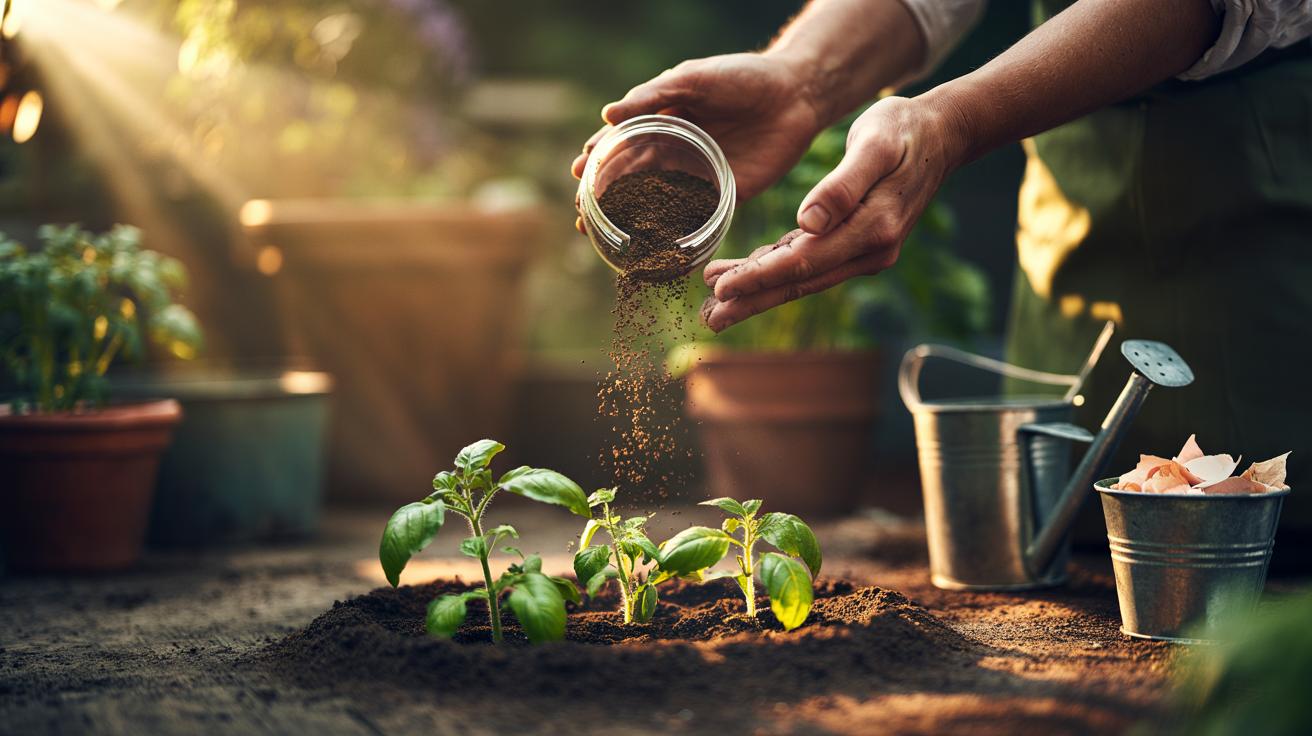
Every morning, kettles hiss and espresso machines purr, and by noon countless homes and cafés are left with mounds of old coffee grounds. Most go straight into the bin. That’s a waste of quiet power. Handled well, spent grounds can become a natural plant booster that renews tired soils, feeds helpful microbes, and nudges growth without synthetic fertiliser. The trick lies in preparation, proportion, and timing. Used correctly, coffee grounds enrich rather than smother. In a cost-of-living squeeze, they’re a thrifty ally. In an age of climate concern, they’re circular. Here’s how to turn that aromatic residue into steady, sustainable nutrition for beds, borders, pots and plots.
Why Coffee Grounds Help Plants
Used grounds contain a modest but meaningful dose of nitrogen (typically around 1–2%), plus traces of phosphorus, potassium, magnesium and copper. Their real magic is structural: particles act like tiny sponges, helping heavy soils drain better while improving water-holding in sandy beds. They also feed the soil food web. Healthy plants begin with a healthy microbial community, and microbes relish the fine, carbon-rich crumbs. As they break grounds down, nutrients become plant-available in a slow-release trickle that avoids the scorch risk of fast synthetics.
There’s myth-busting to do. Spent grounds are usually near neutral pH (about 6–7), not strongly acidic. They won’t turn your soil sour overnight. Nor are they a miracle slug repellent; any deterrent effect is inconsistent. What they are is a dependable source of organic matter with a favourable C:N ratio of roughly 20:1, meaning they behave as a “green” in compost, helping piles heat and decompose efficiently.
Expect a textural lift before a nutritional one. Mix-ins help clay unlock air pockets and allow roots to explore. In time, as decomposition advances, plants tap into a steady feed that supports leaf growth, microbial diversity and resilience. The gain is cumulative, not instant—perfect for gardeners who play the long game.
Preparing and Applying Coffee Grounds Safely
Start by drying. Spread fresh grounds in a thin layer on a tray for 24–48 hours to prevent mould and clumping. Store in a lidded tub. For top-dressing, sprinkle a light layer—no more than 3–5 mm—around plants, then tickle it into the topsoil to stop crusting. As a soil amendment, blend up to 10–20% grounds by volume into compost or potting mixes; more risks compaction and hydrophobic patches. Thin layers and small proportions are your allies.
Composting is foolproof. Treat grounds as a nitrogen “green” balanced with “browns” like shredded paper or autumn leaves. Aim for a mix that feels as damp as a wrung-out sponge. Or make a mild liquid feed: soak one mug (roughly 200 g) of grounds in five litres of water for 24 hours, stir, then strain; water soil, not leaves, every few weeks.
| Method | Ratio/Depth | Frequency | Best For |
|---|---|---|---|
| Compost blend | 1 part grounds : 2–3 parts browns | As available | General soil improvement |
| Top-dressing | 3–5 mm, lightly worked in | Every 4–6 weeks | Beds, borders, veg patches |
| Liquid soak | 1 mug grounds : 5 L water | Monthly | Containers, herbs, ornamentals |
| Mulch mix | Up to 20% grounds in mulch | Spring and autumn | Perennials and shrubs |
For houseplants, use sparingly. A teaspoon or two mixed into the top few centimetres of compost every 6–8 weeks is ample. Keep pets away: caffeine can be harmful if ingested. When in doubt, compost first.
Targeted Uses: From Seedlings to Houseplants
Seedlings are delicate. Their fine roots dislike dense, wet media, and caffeine residues can inhibit germination. Avoid direct use in seed trays. Instead, build strength early by sowing in a light mix, then potting on into compost that includes up to 10% well-composted grounds. In veg beds, a whisper-thin sprinkle before raking in can encourage biological activity ahead of planting out.
Acid-loving shrubs—camellias, azaleas, blueberries—benefit not because grounds are highly acidic (they aren’t), but because added organic matter stabilises moisture and supports mycorrhizae. Pair grounds with pine bark or leaf mould for a sympathetic, airy root zone. Think ecosystem support, not pH quick-fix. For roses and hungry annuals, use grounds as part of a wider feed regime with composted manure or a balanced organic fertiliser.
Indoors, moderation wins. Mix a small amount into fresh potting soil for ferns, philodendrons and spider plants; avoid compacted surface layers that can encourage fungus gnats. Water in well after application, then let the top inch of compost dry before the next drink. If a white film appears, scrape it off, aerate the surface, and reduce the dose. Airflow and light touch keep things tidy.
DIY Recipes and Smart Combinations
For a calcium-nitrogen tonic, combine one part dried grounds with one part finely crushed eggshell and two parts leaf mould; scatter around tomatoes and peppers at planting. Make a container booster by charging biochar overnight in coffee-ground soak, then mixing 10% by volume into potting compost. Pre-charged biochar locks nutrients and water where roots can reach them.
Compost accelerant? Stir grounds into your heap with shredded cardboard and a dash of green clippings; the mix heats fast, killing weed seeds and speeding humus formation. In a vermicompost bin, add grounds in thin layers with moist paper to avoid acidic hotspots—worms adore the grit for digestion. For mulch, blend a small portion of grounds with bark chips to add microbial “food” while keeping structure loose.
Swerve the myths. Grounds aren’t a reliable slug barrier; use beer traps, hand-picking, or copper tape. Don’t pile thick mats on soil—they repel water and go slimy. And skip fresh café bag dumps onto a single bed. Little and often beats one heavy-handed dump. If you want a leafy push mid-season, pair grounds with a steeped comfrey or nettle tea for a fuller nutrient spectrum.
Turning old coffee grounds into a plant booster is less hack, more habit: dry a little, blend a little, apply lightly, repeat. You’ll cut waste, feed the soil, and see steadier growth without leaning on blue pellets. It’s gentle gardening with measurable gains. Consistency over spectacle delivers the richest soils. Whether you’re stewarding a pocket balcony or a full allotment, there’s room for this quiet alchemy in your routine. How will you fold yesterday’s brew into tomorrow’s harvest?
Did you like it?4.5/5 (27)