In a nutshell
- ✨ Dermatologists back turmeric: its curcumin delivers anti-inflammatory, antioxidant defence and modest tyrosinase inhibition to brighten without bleaching.
- 🧪 Evidence: small studies show benefits in 6–12 weeks; stabilised tetrahydrocurcumin excels; results improve when paired with barrier care and daily SPF 30+.
- 🥣 Safe DIY: 1 tsp turmeric + 2 tbsp yoghurt + optional ½ tsp honey; wear 8–12 minutes, rinse, then moisturise; always patch test; use 1–2× weekly.
- 🧴 Smart pairings: combine with niacinamide and morning vitamin C; alternate nights with retinoids; avoid high‑strength AHAs/BHAs, fragrance oils, and lemon juice mixes.
- 🌞 Practical tips: minimise staining with a moisturiser buffer; prioritise consistency over intensity; wear SPF 30+ daily; expect gradual clarity and calmer tone.
From the spice rack to the skincare shelf, one humble kitchen staple is quietly winning over consultants and beauty editors alike. The ingredient? turmeric. Celebrated in South Asian cooking and ritual, this warm, amber powder contains the bioactive compound curcumin, prized for its anti-inflammatory and antioxidant clout. Dermatologists describe it as a gentle brightener that softens the look of dullness, helps even tone, and supports a calmer complexion when urban stressors and screen time conspire against glow. Expectations matter. It won’t erase years of sun damage overnight. Yet used smartly—often as a wash-off mask or paired with barrier-loving moisturisers—turmeric can be the pantry shortcut that nudges tired skin back towards light.
Why Turmeric Has Dermatologists’ Attention
London’s air, central heating, long commutes. They dull skin. Enter curcumin, turmeric’s star molecule, which helps neutralise free radicals while easing the micro-inflammation that leaves complexions looking grey. There’s also a brightening mechanism: curcumin can modestly inhibit tyrosinase, the enzyme that drives melanin production, which in turn may soften uneven patches and post-blemish marks. Think of it as a supportive act, not a soloist. Dermatologists tend to prefer stabilised forms—such as tetrahydrocurcumin—in clinical formulas, yet many acknowledge the kitchen version has value when used with care.
What it doesn’t do is bleach or strip. That’s crucial. Instead, turmeric works by improving the look of tone and texture while your barrier stays intact. The payoff is subtle but real. Over weeks, dullness recedes and clarity improves, particularly when paired with daily SPF and gentle exfoliation. Staining can happen; a thin film of moisturiser before masking reduces that risk.
Consistency beats intensity in skin care. Small, regular doses—rather than aggressive, lengthy sessions—tend to yield a brighter, calmer complexion without provoking irritation.
How to Use It Safely at Home
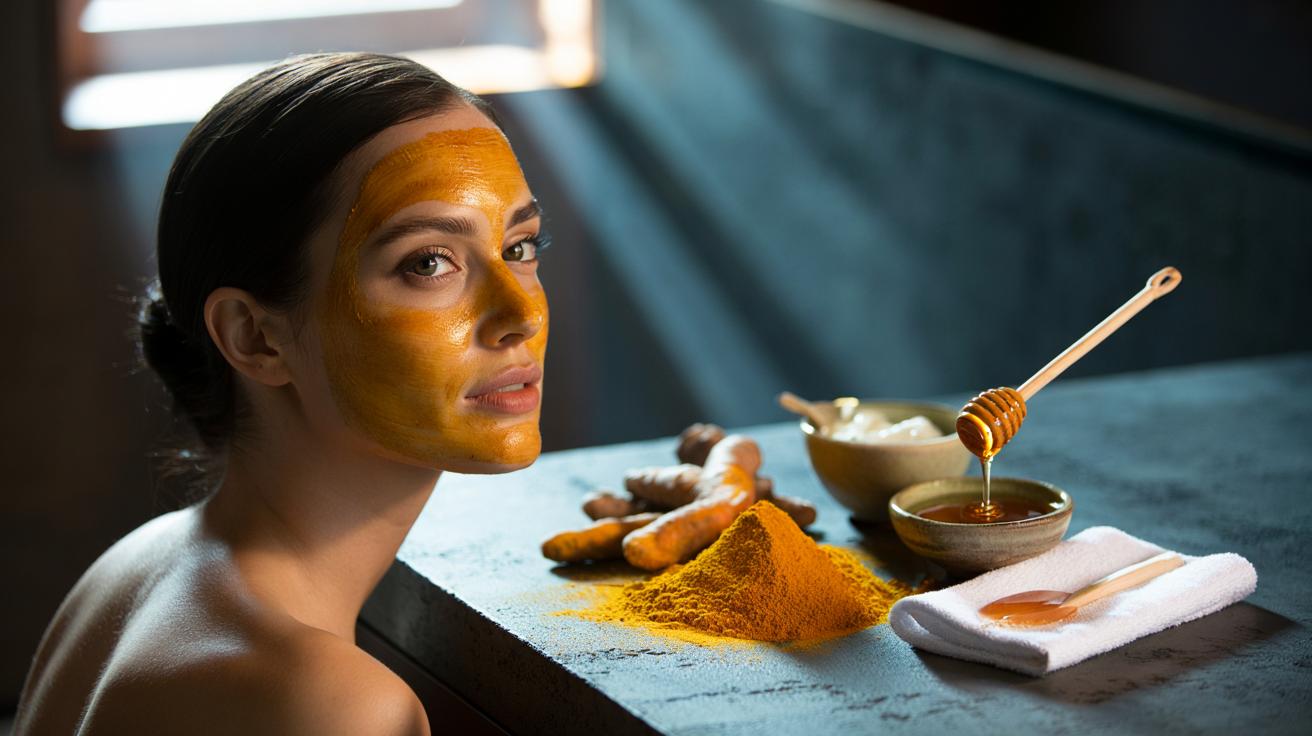
Start simple. Combine 1 teaspoon of culinary turmeric with 2 tablespoons of plain yoghurt for natural lactic acid and soothing fats. Optionally, add ½ teaspoon of honey for humectant lift. Smooth a thin layer onto cleansed skin for 8–12 minutes, then rinse thoroughly and follow with a ceramide-rich moisturiser. Always patch test for 24 hours before full-face use. Sensitive types might swap yoghurt for oat milk or add a dab of squalane to buffer.
Frequency matters. Once or twice weekly is ample for most; three times if your skin is hardy and well hydrated. Don’t sleep in turmeric masks and don’t scrub. Pigment-prone tones benefit from pairing with daily SPF 30+ because any brightening gains can reverse with unprotected sun. Avoid lemon juice mixes—acidic and phototoxic—and keep formulas fragrance-free if you’re reactive. Sunscreen the morning after is non-negotiable. If you use prescription actives, alternate nights to minimise cumulative irritation.
What the Science Says
The evidence base is growing, if not definitive. Small clinical trials and lab studies suggest curcumin and its derivatives can reduce inflammatory markers, improve photoageing signs, and modestly lighten hyperpigmentation over 6–12 weeks. Dermatology papers often test tetrahydrocurcumin at low percentages in creams or gels; these are more stable and less likely to stain than cupboard turmeric. Results tend to show brighter tone, calmer redness, and better texture when used consistently alongside sun protection.
There are caveats. Kitchen turmeric varies in potency, particle size, and contamination risk; patch testing remains essential. And while its antioxidant profile is impressive, no single ingredient fixes everything. Turmeric works best as one piece of a routine that guards the barrier and blocks UV. Think of it as a complementary brightener that can sit beside proven heavyweights—niacinamide, azelaic acid, and retinoids—rather than a replacement. If pigmentation is stubborn, professionals may advise in-clinic peels or prescription topicals for predictable outcomes.
Smart Pairings and What to Avoid
Turmeric plays well with gentle, barrier-first staples. Combine mask nights with niacinamide (2–5%) in the morning to support pigment balance and oil control. Layer hyaluronic acid beneath a moisturiser to cushion skin and offset any dryness from other actives. If you’re on a retinoid, alternate evenings: retinoid one night, turmeric mask another, leaving at least 24 hours between for sensitive complexions. This spacing reduces stacking irritation. Be cautious with strong acids (high-strength AHAs/BHAs) or abrasive scrubs in the same session; you don’t need them together.
Vitamin C? Yes, with nuance. L-ascorbic acid serums are potent; use in the morning, turmeric as an evening wash-off to keep pH drama minimal. Fragrance, menthol, and clove oils are common irritants—skip them in DIY blends. Always finish with SPF by day, since brightening efforts falter without UV defence. The aim is synergy: calm inflammation, support the barrier, then lighten gently over time.
| Format | Partner | How Often | Why It Works | Avoid With |
|---|---|---|---|---|
| Turmeric + yoghurt mask | Honey, ceramide moisturiser | 1–2x weekly | Lactic acid brightens; lipids soothe | Scrubs, lemon juice |
| Turmeric (wash-off) | Niacinamide 2–5% | Alternate days | Dual support for tone | High-strength AHAs same night |
| Turmeric evenings | Vitamin C mornings | Daily routine | Antioxidant coverage, minimal pH clash | Fragrance oils in DIY |
| Turmeric nights | Retinoid on off-nights | 3–4x weekly combined | Brightening without overload | Layering both together |
In truth, the best brightening routines are quietly consistent, not flashy. Kitchen turmeric earns its place because it targets dullness on several fronts—antioxidant action, gentle pigment modulation, and a knack for soothing skin that’s had a week of weather, work, and screens. Handle it thoughtfully and it rewards you. Keep the barrier happy, respect sun care, and give it time. Small rituals, repeated, create visible change. If your spice rack is already stocked, is this the glow-up experiment you’ll try this month—or will you pair turmeric with a dermatologist-approved serum for a belt-and-braces approach?
Did you like it?4.5/5 (25)