In a nutshell
- 🧪 The science: root rot stems from waterlogged compost and oxygen loss; container physics (capillary action and the perched water table) demand mixes with real air-filled porosity.
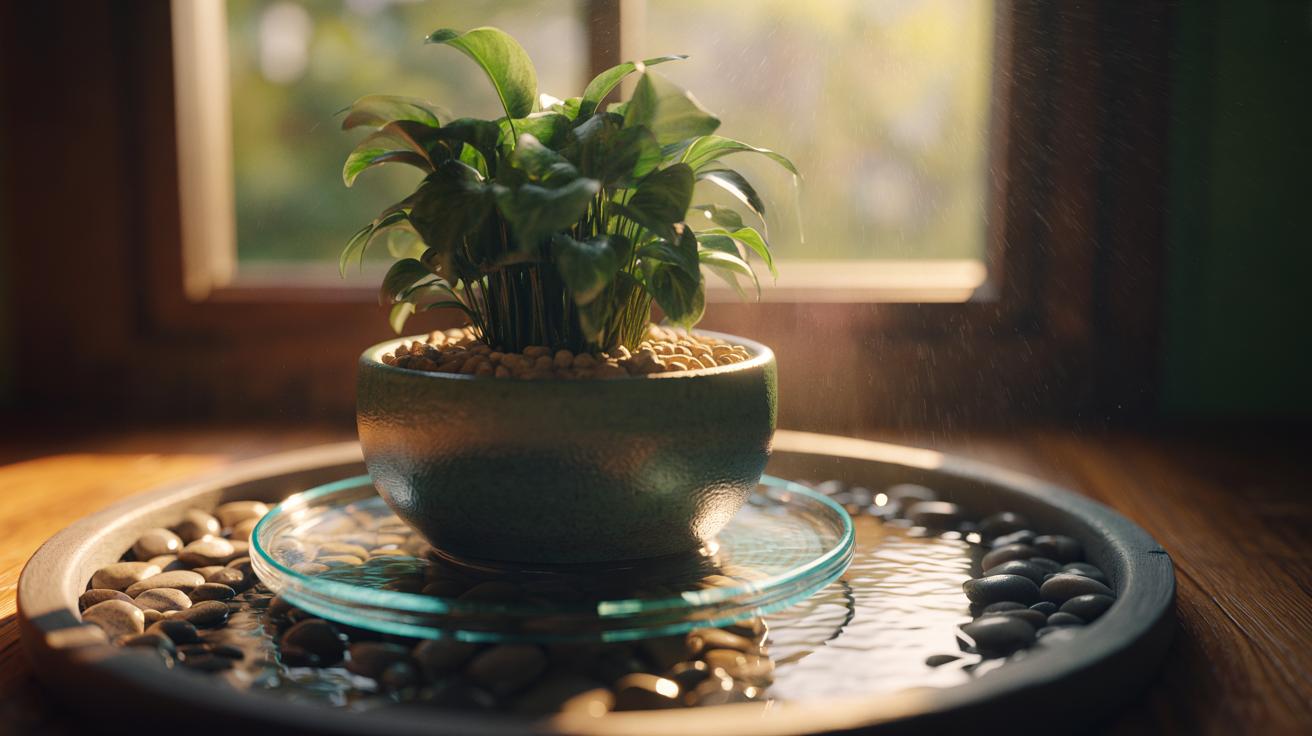
- 🪨 Correct use of pebbles: prioritise pot elevation with a pebble tray and apply a breathable top dressing; integrate coarse material through the mix to keep roots oxygenated and out of standing water.
- ⚠️ Myths and mistakes: a thick bottom layer doesn’t improve drainage and can raise the perched water table; don’t block the outlet—pebbles aren’t a substitute for a breathable mix.
- 🧰 Practical routine: use pots with large holes and a pebble-filled saucer, blend peat-free compost with perlite/grit/orchid bark (25–40%), water to runoff, then finish with a thin top dressing.
- 📊 Key takeaways: pebble tray and surface dressing = low risk; thick bottom layers = high risk; match methods to plant types (ferns, aroids, succulents, citrus) and design porosity + avoid standing water.
Houseplant lovers dread the phrase root rot. It’s the silent killer that turns once perky leaves limp and brown, often without warning. The culprit is rarely watering alone; it’s the prolonged lack of oxygen at the root zone, a perfect opening for pathogens like Pythium and Phytophthora. Horticulturists say one simple tweak helps: add pebbles. Not as a cure-all, but as a smart tool in a broader drainage strategy. Used in the right place and the right way, pebbles can raise pots off standing water, improve aeration at the surface, and stabilise moisture. Done badly, they can backfire. Here’s the science, the method, and the clarity many plant parents have sought.
The Science Behind Root Rot and Drainage
Root rot begins when roots sit too long in waterlogged compost. Oxygen levels plunge. Microbes shift. Anaerobic conditions favour rotting organisms that strip roots of their protective tissue. Plants suffocate before they starve. The fix isn’t to “dry out” randomly, but to design a potting system with reliable air-filled porosity, so roots breathe between waterings. That’s where container physics matters. Water doesn’t gush out simply because there’s a big hole; it’s held in place by capillary action and the so-called perched water table, a layer of saturated compost that forms above the pot base regardless of its size.
Pebbles don’t magically create a drainpipe if they’re dumped at the bottom in a thick layer. In fact, a coarse layer under fine compost can lift the perched water table higher, keeping root tips wetter for longer. Horticulturists emphasise two more effective pebble jobs: elevating the pot so it never stands in a flooded saucer, and using a shallow, open-textured top dressing that reduces surface compaction and improves gas exchange. Both help roots avoid hypoxic stress, which is the true trigger for rot.
How Pebbles Help When Used Correctly
Pebbles are powerful when they control where water goes and how air moves. First: pot elevation. Sit containers on a bed of pebbles in the saucer so excess water drains away and the pot base stays dry. Simple. Effective. Second: top dressing. A thin layer of washed pebbles or horticultural grit on the surface reduces crusting, slows evaporation just enough to prevent hydrophobic dry-outs, and maintains micro-pores for air exchange. Third: mix integration. Add coarse materials (grit, perlite, bark chips) evenly through the compost to create continuous air channels. This, more than anything, limits the saturated zone.
Place pebbles strategically, not as a thick bottom plug. A very thin scatter over the drainage hole is fine to stop compost loss, but the bulk of your stone should be above or below the pot, not trapped beneath roots. The aim is simple: keep roots oxygenated and prevent standing water under the container, where rot often begins after enthusiastic watering sessions.
| Method | What It Does | Where Pebbles Go | Risk Level | Best For |
|---|---|---|---|---|
| Pebble tray (saucer) | Keeps pot base above runoff | Under the pot | Low | Most houseplants |
| Top dressing | Improves surface aeration; neat finish | On compost surface | Low | Ferns, aroids, cacti |
| Mixed through compost | Raises air-filled porosity | Evenly throughout | Low–Medium | Succulents, citrus |
| Thick bottom layer | Can raise perched water | At pot base | High | Not recommended |
Common Myths, Mistakes, and What Horticulturists Actually Advise
The most persistent myth is that a chunky layer of pebbles “improves drainage.” It usually doesn’t. The interface between fine compost and coarse stone causes water to pause above the junction, creating a taller saturated zone around tender root tips. Pebbles at the very bottom rarely speed water out; they often keep it where you least want it. Another misstep is sealing the drainage hole with rocks and mesh until the pot can barely exhale. Prioritise airflow. Keep the outlet open, with only the thinnest buffer to prevent compost loss.
Horticulturists also caution against treating pebbles as a substitute for a breathable mix. A dense peat-heavy compost with no perlite, grit, or pine bark will stay soggy regardless of what sits beneath it. Likewise, overpotting—placing a small root ball in a large container—creates reservoirs of unused, wet compost. The professional rule of thumb is clear: design porosity into the mix, keep the pot off standing water, and water to volume with confidence. Get those three right and pebbles become protective allies rather than pretty dead weight.
A Pebble-Forward Potting Routine You Can Trust
Start with the vessel. Choose a pot with generous drainage holes; add pot feet or a pebble-filled saucer so the base never sits in runoff. That single change dramatically cuts the chance of rot. Next, build the substrate. Blend a quality peat-free compost with grit or perlite (25–40% by volume), plus orchid bark for chunky structure if your plant likes it. This opens pathways for air while still holding enough moisture for steady growth.
Now the pebbles. Add only a light scatter over the holes to stop fines escaping, then pot the plant. Water thoroughly until runoff appears, let it drain completely into the saucer, and keep the pot on its pebble platform. Finish with a thin 1–2 cm top dressing of washed pebbles. It looks smart, deters fungus gnat egg-laying, and preserves surface porosity. Adjust watering by season and plant type. For succulents, let the mix dry deeper. For tropicals, maintain gentle, rhythmic moisture. The constant is oxygen—protect it, and roots resist rot.
Used thoughtfully, pebbles become more than decor; they are a small, precise intervention that shifts the moisture–air balance back in favour of healthy roots. They lift pots clear of hazards, keep surfaces breathable, and add a margin of error for busy carers. Combine them with a porous mix and sensible watering, and the spectre of root rot fades. What will you change first—your saucer setup, your surface dressing, or the very mix your plants call home?
Did you like it?4.4/5 (29)