In a nutshell
- 🌿 Cardboard mulch acts as a breathable barrier that slows capillary evaporation, shades soil, and stabilises temperatures, boosting moisture retention without suffocating roots.
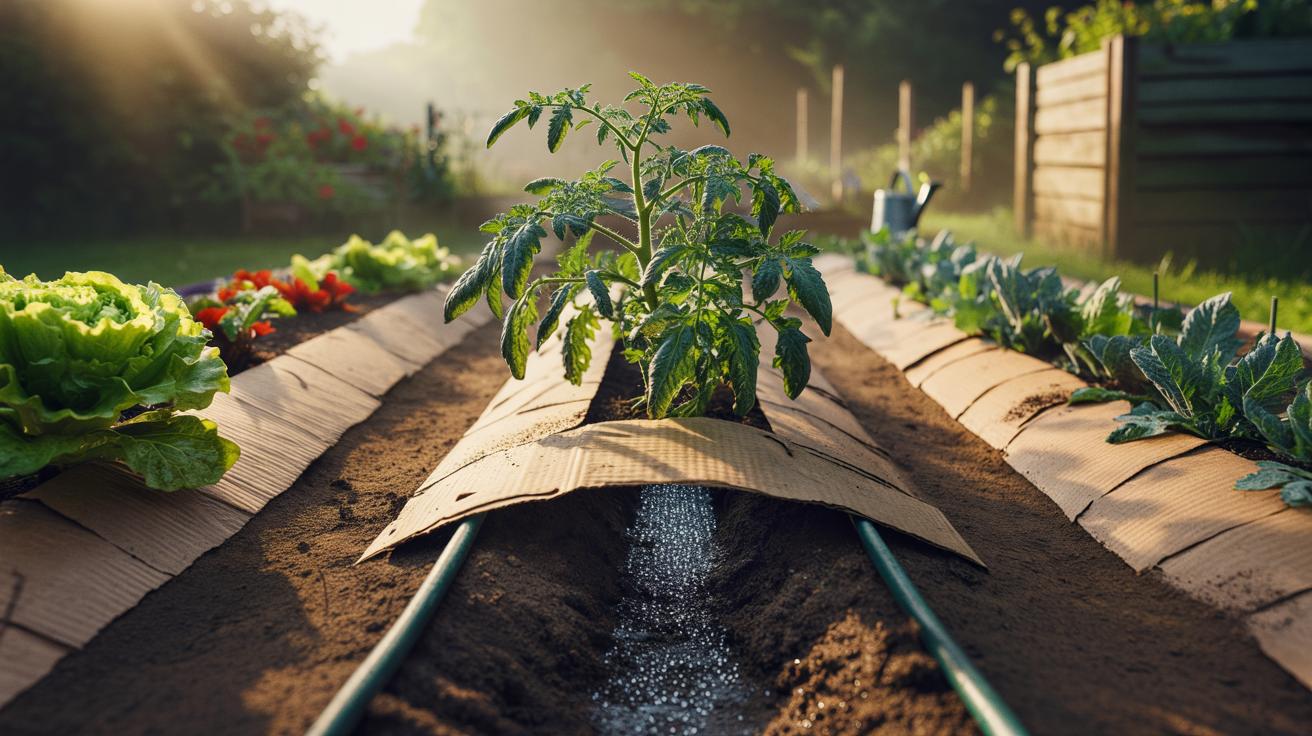
- 🛠️ Apply a single layer: use plain boxes, remove tape, pre-water soil, overlap by 7–10 cm, cut around stems, and anchor with pegs or a 1–2 cm compost skim; avoid stacking multiple layers.
- ☀️ Through summer, expect fewer weeds, cooler soil, steadier turgor, and up to a third (even half on loams) less irrigation; the layer decomposes into humus and supports aerobic soil life.
- 📊 Versus other mulches, cardboard is low-cost, high on weed suppression and evaporation control, and plastic-free; woodchips suit paths, straw insulates, fabric lasts longer but feeds soil less.
- 🐌 Practical cautions: keep mulch from woody crowns, manage slugs by preventing contact with foliage and using barriers, and re-peg edges after wind or heat to maintain coverage.
As hosepipe bans hover over yet another parched British summer, one low-tech fix is quietly winning over allotmenteers and balcony growers alike: cardboard mulch. Laid as a single layer around crops, it forms a breathable cover that slows evaporation, cools the surface, and suppresses weeds without plastic. Most of us have a ready supply from delivery boxes, yet the method works far beyond thrift. Done well, a sheet of cardboard can keep soil evenly damp between showers and halve the number of thirsty evenings with the watering can. Here’s how and why that humble layer protects plants from May to September, and the pitfalls to sidestep.
Why Cardboard Works as a Moisture Shield
Cardboard’s secret is physical rather than magical. Corrugated boards are built from lignocellulose fibres, which are porous enough to let air pass but tight enough to slow the upward flow of water vapour. That makes a simple vapour-diffusion barrier: it blocks capillary evaporation from the top centimetres of soil, where most roots feed and dry out first. It also shades the surface, trimming temperatures by several degrees and lessening wind scouring, two big drivers of moisture loss. One layer, correctly set down, is usually sufficient to retain moisture without suffocating the soil.
There’s a biological dividend. The cover prevents crusting, so rain and watering infiltrate rather than skittering off. Worms drag the fibres down, blending them into humus within a season and improving structure. Unlike impervious plastic, cardboard allows oxygen exchange, keeping aerobic microbes lively. The result is steadier moisture retention, fewer stress spikes for plants, and a resilient crumb that resists compaction after downpours. Weed seedlings struggle without light, so more water is left for crops rather than thieving annuals.
How to Lay a Single Layer Correctly
Start with plain, unwaxed boxes free of glossy inks and remove all plastic tape and labels. Water the bed before you begin so the soil is evenly moist; laying onto dust-dry ground defeats the point. Flatten the sheets and overlap edges by 7–10 cm to close gaps. Around established plants, cut neat slots or keyhole shapes so stems sit in the open. Do not heap multiple layers in summer—thick stacks can divert rain and slow warming; one standard corrugated sheet (about 3–5 mm) is the sweet spot.
Anchor the layer with stones, wire pegs, or a light top-dressing. Many gardeners sift 1–2 cm of compost or fine woodchips over the cardboard for a smart finish and to stop edges curling. Keep a hand’s breadth free around woody trunks and the crowns of perennials to prevent rot. For seedlings, mulch the pathways first, then add collars once plants are sturdy. Cardboard mulch pairs well with drip lines or leaky hose—water drips through, stays put, and wastes less to evaporation.
Managing pests is straightforward. Where slugs are an issue, place the sheets so they don’t touch foliage, and sprinkle wool pellets or lay a ring of sharp grit at the plant base. Re-wet after a week to bed in any lifted edges. In hot spells, one evening watering goes significantly further under a single layer, meaning fewer early-morning sprints with the can.
What to Expect Through a British Summer
In late spring, the mulch knits into place and temperatures stabilise at the surface. You’ll notice fewer weed seedlings poking through; those that do are spindly and easy to lift. As July heat sets in, soil under the layer stays cool and damp for days after rain. Many growers report cutting irrigation by a third—and on heavier loams, even by half—while crops hold their gloss and turgor during midday sun. Moisture retention translates to fewer blossom-end rot issues in tomatoes and less bolting in leafy greens.
Decomposition is part of the design. Expect the cardboard to soften within four to six weeks and begin breaking at edges by mid-summer. Top up overlaps or slide a new strip beneath paths if persistent weeds test the seams. The material typically vanishes into the topsoil by early autumn, leaving better tilth and worm casts. Because it breathes, the mulch avoids the anaerobic, sour conditions linked with plastic sheeting.
Rain handling is reassuringly sensible. Showers percolate, while summer deluges slow enough to reduce erosion. You may see a few slug shelters form beneath loose flaps; keep edges pegged and harvest in the morning to stay ahead. For the no-dig gardener, the layer is a seasonal ally: weed suppression without cultivation, water saving without gadgets, and a carbon gift to the soil food web.
Cardboard vs Other Mulches: Costs and Performance
Not all mulches behave alike in heat and rain. Cardboard excels at moisture retention and weed knockdown, then quietly composts. Woodchips shine for long pathways, while straw-based products add insulation. Fabrics are tidy but can starve the soil surface of organic inputs. The comparison below sketches typical outcomes for home plots and allotments, bearing in mind that weather, soil type, and maintenance alter results.
| Mulch | Approx. Cost (per m²) | Evaporation Reduction | Lifespan | Weed Suppression | Soil Life Benefit | Notes/Risks |
|---|---|---|---|---|---|---|
| Cardboard (single layer) | Free–£0.50 | High | 1 season | High | High | Remove tape; watch slugs at edges |
| Woodchips | £1–£3 | Medium | 1–3 years | Medium–High | High | Nitrogen tie-up on beds if mixed in |
| Straw/Strulch | £2–£5 | Medium–High | 1 season | Medium | Medium | May blow in wind; slug shelter potential |
| Landscape Fabric | £2–£6 | Medium | 3–5 years | High (under chips) | Low | Can impede soil–organic matter contact |
For a summer of protection without plastic, a single cardboard layer is hard to beat. It is cheap, quick to deploy, and breaks down into something your soil can use. If you prefer a cleaner look, hide it beneath a thin compost skin and peg edges tight. For perennial beds or paths, pair cardboard with woodchips to extend life and keep moisture even. Which beds in your garden would benefit most from a season-long cardboard trial, and how might you measure the water you save?
Did you like it?4.7/5 (26)