In a nutshell
- 🌸 Deadheading redirects energy from seed set to fresh buds by interrupting hormonal signals (notably auxins), extending the flowering season and boosting bloom count.
- ✂️ Timing and technique: remove flowers as petals fade; cut cleanly to a node or outward-facing leaf; follow species-specific methods for roses, dahlias, pelargoniums, daylilies, and cosmos.
- 📈 Benefits beyond blooms: improved airflow and light reduce disease, stems stay sturdier, fertiliser needs may drop, and trimmings become useful compost material.
- 🐦 Wildlife-friendly balance: leave select seedheads (echinacea, rudbeckia, ornamental grasses, hydrangea heads) for winter structure and birds; allow self-seeders like nigella when desired.
- ⚠️ Common mistakes and care: don’t tear or overcut; disinfect tools between plants; avoid midday heat; water and mulch to limit stress, and adopt an little and often approach.
Gardeners swear by the simple ritual of snipping away faded flowers, yet the science behind it is just as compelling as the satisfaction it brings. Known as deadheading, this practice nudges plants to divert resources from seed production into new buds, leaves, and roots. The result is a longer display, cleaner borders, and often sturdier growth. Regular deadheading can add weeks—sometimes months—to your flowering season, particularly with prolific annuals and repeat-flowering perennials. It also keeps beds looking crisp, reducing the dreary effect of brown, papery petals. Whether you tend a cottage plot or a balcony box, learning when and how to remove spent blooms is one of the most effective, low-cost ways to boost colour across a British summer.
What Deadheading Does Inside the Plant
Plants are hard-wired to reproduce. Once a bloom fades, hormones shift towards seed development, pulling energy away from new flowers. By removing the spent head before seeds set, you interrupt that hormonal signal—especially the flow of auxins from developing seed pods. Energy is redirected into fresh shoots and future buds, rather than squandered on seed. This is why bedding favourites such as petunias, cosmos, and zinnias respond so generously to consistent deadheading.
Perennials benefit too. Many, from delphiniums to hardy geraniums, can deliver a useful second flush if the first wave is cut promptly. Even shrubs like roses repeat better when faded clusters are taken off cleanly. There’s a structural benefit as well: by preventing heavy seedheads, you reduce the risk of stems bowing or snapping in summer storms. Think of deadheading as strategic resource management for your borders—a small intervention with outsized returns in vigour and bloom count.
When and How to Deadhead Safely
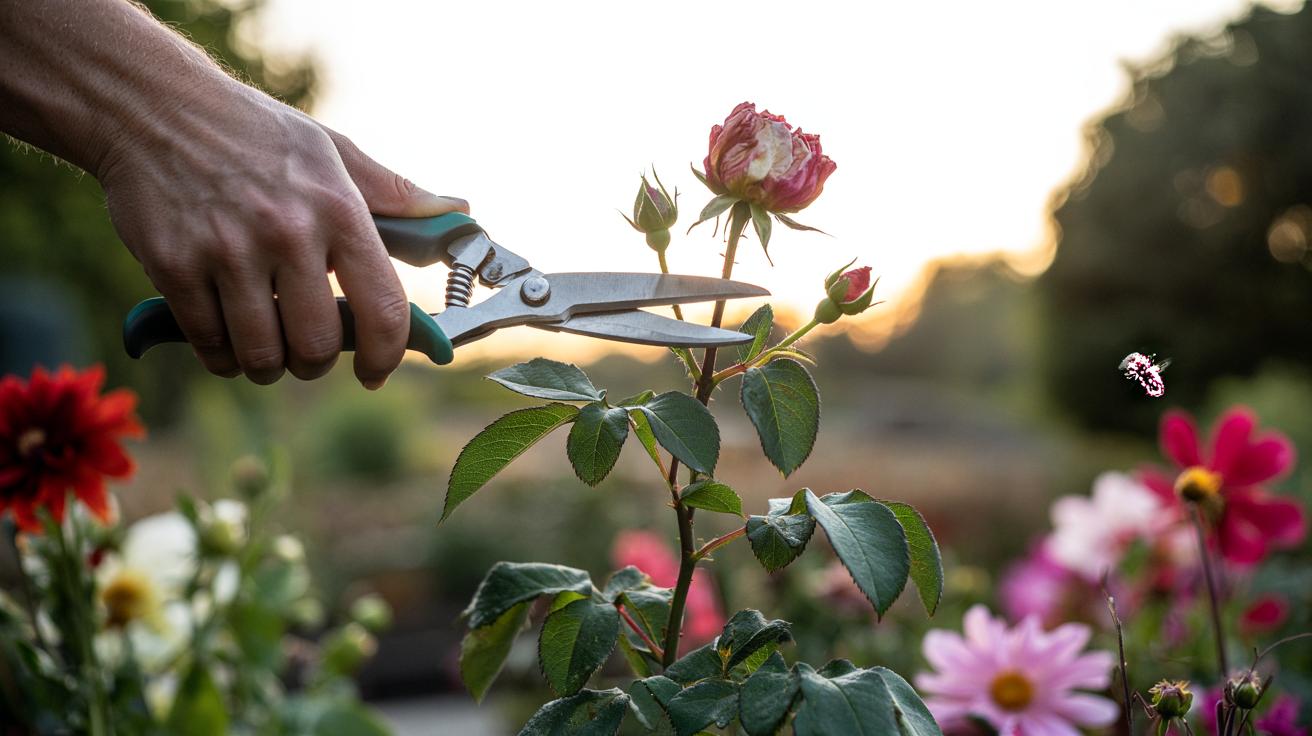
Timing is simple: as soon as petals collapse or discolour, it’s time. For plants with individual stems, trace back to the first set of healthy leaves and cut just above a node using clean, sharp snips. Clustered bloomers, such as floribunda roses, should be taken back to a strong outward-facing leaf to encourage an open habit. Never tear off heads; ragged wounds invite disease. Morning is ideal, when plants are turgid and tools are dry. If you’re short on time, a weekly sweep through the garden keeps maintenance manageable and momentum high.
Technique varies by species. For pelargoniums and sweet peas, remove the entire flower stem; for daylilies, snap away the spent bloom and remove the scape once flowering finishes. Soft-pinching can work for tender annuals, but thicker stems demand secateurs. Always disinfect blades when moving between plants susceptible to fungal problems. Little and often beats infrequent big chops, reducing shock and ensuring a steady pipeline of buds.
| Plant | Sign to Act | Where to Cut | Notes |
|---|---|---|---|
| Roses (repeaters) | Petals drop, hips forming | Above outward-facing 5-leaflet leaf | Feeds shape; avoid removing autumn hips if wildlife value desired |
| Dahlias | Centre becomes a conical seed cone | Back to the next set of branching buds | Don’t confuse tight buds with spent cones |
| Cosmos | Faded daisies turning papery | To a side shoot with a new bud | Weekly trim prolongs flowering into autumn |
| Pelargoniums | Entire head faded | Remove whole flower stem at base | Prevents rot around the collar |
| Lupins | Spire browns from base | Cut to basal foliage | Often prompts a smaller second spire |
Benefits That Extend Beyond More Flowers
While extra blooms are the headline, the supporting acts matter too. Deadheading improves airflow and light penetration, lowering the risk of botrytis and other fungal issues lurking in damp, decaying petals. Beds look smarter, a big gain in small spaces or front gardens facing the street. Clean plants are easier to monitor for pests and nutrient problems, making routine care more targeted and less chemical-heavy.
There’s also a sustainability angle. Redirecting energy into growth can cut the need for high-nitrogen fertiliser, and frequent handling keeps you in tune with soil moisture, helping avoid overwatering. Spent blooms and trimmings make excellent compost browns when mixed with green material, closing the loop in your plot. Finally, deadheading can be tuned to support pollinators: leave some nectar-rich flowers to age naturally late in the season, then resume cuts to coax a final flush before frost. Balance is the art.
Common Mistakes, Exceptions, and Wildlife-Friendly Choices
Not every plant wants a haircut. Ornamental grasses, hydrangea macrophylla flowerheads, and architectural seedheads of echinacea and rudbeckia bring winter structure and food for birds; leave them until early spring. If you enjoy self-seeded drifts of nigella or calendula, allow some pods to ripen. Deadheading is selective, not compulsory. Another common misstep is cutting too far back, stripping foliage needed to fuel photosynthesis. When unsure, take less: you can always refine later.
Tool hygiene is non-negotiable. Wipe blades with alcohol or a dilute bleach solution when moving between plants prone to black spot or powdery mildew. In heatwaves, avoid heavy deadheading at midday; stressed plants resent sudden loss of transpiring tissue. Water deeply the evening before a big tidy, and mulch to keep soil moisture stable. For roses and thistly stems, wear gauntlets. The best deadheading is quick, clean, and kind to the plant, keeping the display rolling without compromising plant health or wildlife habitat.
At heart, deadheading is a conversation with your garden: an observation-led edit that channels a plant’s effort into spectacular repeats. The act is small, the outcome sizeable—more flowers, neater beds, sturdier plants, and a gentler pest-and-disease profile. Keep a pair of sharp snips by the back door, take two minutes on your daily round, and watch borders respond in kind. Selective restraint also matters—leave seedheads where they add structure or feed birds. As your summer unfolds, which plants in your patch will you prioritise for a regular, rhythmical deadhead to stretch colour to the first frosts?
Did you like it?4.5/5 (22)