In a nutshell
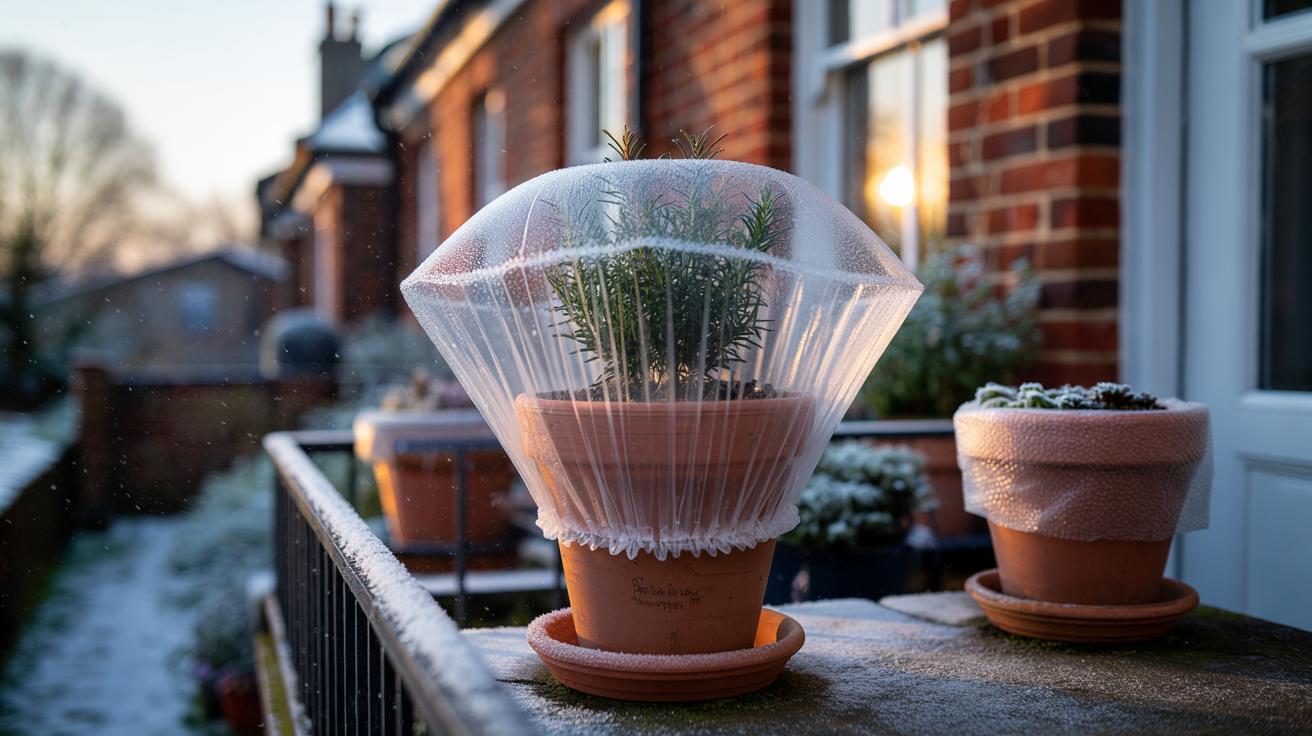
- 🧢 Shower caps = frost shields: They trap a still-air insulating buffer, cut radiative cooling and wind chill, and shed cold rain—reducing freeze–thaw stress on roots and rims.
- 📏 Choose and fit wisely: Pick a sturdy, elasticated PEVA or reusable cap sized to span the rim; cover the crown and compost surface, not the whole pot, and keep drainage clear.
- 🛠️ Step-by-step use: Tidy and aerate compost, dome the cap above foliage, vent on mild days to avoid mould, and secure against gusts; pair with horticultural fleece or light bubble wrap in severe cold.
- 💷 Low-cost, sustainable: Cheap, light, and reusable; rinse, dry, and label to prevent cross-contamination, and clip caps so they don’t become litter—without sealing plants airtight.
- 🏡 UK-friendly practicality: Ideal for renters and balconies, caps buy precious degrees during stop–start winters, helping terracotta tubs and borderline perennials ride out cold snaps.
Frost can undo months of careful container gardening in a single night. In the UK’s stop-start winters, sudden drops below zero pull heat from pots and leave roots sitting in ice-cold, waterlogged compost. A simple, thrifty defence is hiding in your bathroom: the humble shower cap. Elasticated, splash-proof, and quick to fit, it creates a protective microclimate over the rim of a container without expensive kit. This small cover slows heat loss, deflects sleet, and blunts the shock of freeze–thaw cycles. For renters, balcony gardeners, and anyone short on storage, it’s an elegant workaround that costs pennies, installs in seconds, and can be reused across the season.
Why Shower Caps Work Against Frost
Frost damage isn’t just about low air temperature; it’s about how fast pots lose heat through radiative cooling and wind-driven convection. A shower cap stretched over the top of a container traps a thin layer of still air. That air acts as an insulating buffer that slows temperature swings in the compost, helping roots avoid the cellular rupture that comes when water inside tissues freezes and expands. By reducing exposure to the night sky and cutting draughts, a cap can keep the pot’s surface layer a vital degree or two warmer.
There’s a moisture benefit, too. Winter rain saturates compost and terracotta, then a hard frost turns that water to ice, stressing plant cells and cracking clay. The cap sheds rain and sleet away from the crown and rim, reducing waterlogging and freeze–thaw stress. It also blocks evaporative heat loss from damp compost. For tender perennials or mediterranean herbs in containers, that modest barrier can mean the difference between blackened growth and plants that sail through a cold snap.
Choosing the Right Shower Cap and Pot Pairing
Not all caps are equal. Look for a cap with a reliable elasticated band that grips the pot without tearing. Clear plastic helps you spot condensation and adjust ventilation; thicker PEVA or reusable caps last longer than ultra-thin hotel freebies. Size matters: the cap should span the rim and tuck a centimetre or two down the side without sealing the pot like clingfilm. Always leave the drainage hole clear and avoid compressing foliage. If your plant is leafy at the crown, consider propping the cap with a small hoop of garden wire to lift the cover and preserve airflow.
Match cap to container with a simple rule: cover the rim and crown, not the entire pot. This shields the compost surface and prevents cold rain ingress while allowing the pot body to breathe. For very exposed sites, secure with a soft plant tie to stop gusts from peeling it back. Where frost is severe, combine the cap with a wrap of horticultural fleece or a single layer of bubble wrap around the pot’s sides, keeping the base open for drainage.
| Cap Type | Suitable Pot Diameter | Protection Notes |
|---|---|---|
| Thin hotel-style plastic | 10–18 cm | Good for short cold snaps; may tear in strong wind. |
| Reusable PEVA, medium weight | 15–28 cm | Better grip and longevity; easy to wipe clean and reuse. |
| Large, extra-elastic cap | 25–40 cm | Ideal for terracotta tubs; secure with a soft tie in exposed spots. |
| Fabric-lined waterproof cap | 20–30 cm | Gentler on delicate rims; slightly more breathable. |
Step-by-Step: Fitting and Venting for Healthy Roots
Begin on a dry, still day. Water lightly in the morning if compost is bone-dry, then tidy the surface: remove fallen leaves, slugs, and any mushy growth. Fluff the top centimetre of compost to improve aeration. Stretch the shower cap between both hands and ease it over the rim until the elastic catches evenly all around. Do not seal the cap flat against wet foliage; lift with two fingers or insert a small wire hoop to create a dome that keeps leaves from touching cold plastic. Check that the pot’s drainage hole remains unobstructed.
Condensation is normal on cold nights, but plants need to breathe. On milder days, peel the cap back slightly to vent for an hour, preventing stale, humid air that encourages mould. After hard frosts, tap off any ice and reset the cap so it sits snugly. If snow is forecast, leave the cap on to shed meltwater, then vent once temperatures rise. For long cold spells, pair the cap with a temporary move to a sheltered wall where reflected heat adds extra protection.
Cost, Sustainability, and Safety Considerations
Shower caps shine because they are cheap, light, and quick. A pack costs less than many purpose-made plant covers and stores in a kitchen drawer. Reuse them: rinse, air-dry, and keep for the next cold snap. If you prefer lower plastic use, look for reusable caps made from thicker, recyclable materials. Label each cap with a marker so it returns to the same pot, reducing cross-contamination. Always secure loose plastics so they don’t blow into gardens or waterways. A soft tie or discreet bulldog clip prevents litter without strangling stems.
Balance thrift with plant health. Caps work best as a crown-and-rim barrier; they’re not a substitute for good drainage, frost-resilient compost, or raising pots on feet. Avoid airtight sealing, which traps excessive humidity and can stress roots. For very vulnerable specimens, combine methods: a shower cap for the top, fleece or coir matting around the sides, and a move off exposed balconies during Arctic blasts. When spring returns, fold caps away—ready for the next surprise cold snap in a British April.
Used wisely, a simple shower cap can disarm the worst of winter’s nips: it slows heat loss, sheds cold rain, and buys container plants precious degrees on clear nights. The method is fast, reversible, and ideal for small spaces where rolls of fleece are impractical. It won’t turn a basil bush into a hardy shrub, but it will tip the odds for terracotta tubs and borderline perennials until milder weather arrives. The best winter protection is the one you’ll actually use. Which of your containers would benefit most from a quick, elasticated shield—and how will you tweak the setup to suit your microclimate?
Did you like it?4.5/5 (28)