In a nutshell
- 🌿 Plants sense vibration; speech-range frequencies can open mechanosensitive ion channels, trigger calcium signalling, and tweak gene expression.
- 💨 Talking near leaves briefly boosts local CO2 and humidity, improving photosynthesis in the boundary layer; keep 20–30 cm away and be cautious with succulents.
- 🔊 Maintain conversational volume (about 50–65 dB): gentle, short sessions can prime resilience, while loud, constant sound induces stress, especially in seedlings.
- 👀 The attention effect matters: regular chatting prompts inspections that catch pests, dryness, and light issues early—here, consistency beats intensity.
- 🧪 Practical tips: talk or hum for 2–5 minutes in the morning, pair with light leaf brushing weekly, and run a simple mini‑trial to track measurable growth gains.
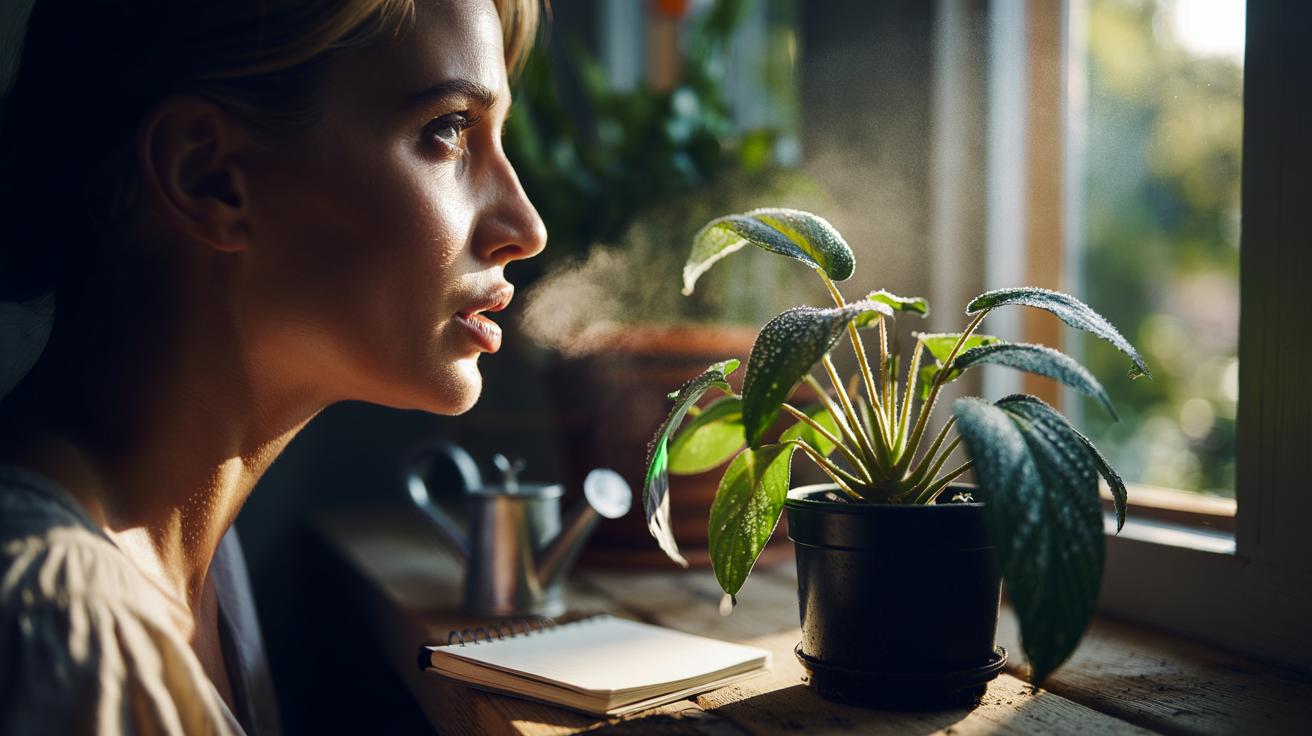
Britons have long sworn by chatting to their roses and crooning at their spider plants. It sounds quaint. Yet a growing body of research hints there is more than whimsy at work. Scientists studying plant perception now argue that voices, humming, and gentle sounds can alter how leaves, roots, and even microbes behave. Not by magic, but by physics and chemistry. Your breath changes the air around a leaf. Your voice shakes cell walls. Your routine attention catches problems early. The headline claim is simple: small, repeatable nudges add up to measurable growth benefits. Here is what the evidence says—and how to make the habit genuinely helpful.
What the Science Says About Plant Hearing
Plants don’t have ears. They do have exquisitely sensitive mechanosensitive ion channels embedded in their membranes. Vibrations—like those from speech in the 100–300 Hz range—can open these channels, allowing calcium ions to surge and set off cascades that tweak gene expression. Laboratory work on Arabidopsis shows vibration alone can prime leaves to respond faster to threats; the University of Missouri famously found chewing-like vibrations prompted plants to bolster chemical defences. In short, plants don’t “listen” as we do, but they perceive vibration as actionable information.
Outside the lab, evidence is messier yet intriguing. South Korean trials reported higher rice yields with certain music regimes. The Royal Horticultural Society once tested spoken passages around tomato plants; some voices appeared to correlate with stronger growth, though sample sizes were modest. The consensus among researchers: sound can modulate plant physiology, but outcomes depend on volume, frequency, and exposure time. Too loud, and you risk stress. Gentle, rhythmic sound? That can be useful.
Carbon Dioxide, Breath, and Microclimates
When you speak, you exhale air rich in carbon dioxide—about 40,000 ppm compared with ambient levels near 420 ppm. That puff doesn’t transform a living room into a greenhouse. Yet next to a leaf, for seconds at a time, it can nudge CO2 availability upward, improving photosynthesis in that tiny boundary layer. Your breath is also humid. That brief moisture bump can reduce leaf water loss, easing midday stress on thirsty houseplants. Standing close for 30–60 seconds can briefly elevate CO2 and humidity around leaves without risk. It’s a micro-effect, not a miracle, but micro-effects matter when repeated daily.
There are caveats. Succulents and cacti prefer drier air; constant face-to-leaf humidity may invite fungal spots in poorly ventilated rooms. Keep a respectful distance—20–30 cm is ample—and avoid spitting consonants onto foliage. The chemistry of breath is only part of the story anyway. Microclimate tweaks work best combined with good light, calibrated watering, and a stable temperature. That’s where the habit of talking dovetails with attentive care.
Sound, Stress, and Cellular Signalling
Speech generates low-amplitude vibrations that tug at cell walls and the cytoskeleton, triggering calcium signalling, reactive oxygen bursts, and shifts in hormones such as auxin and jasmonic acid. In low doses, such mechanical cues appear to prime resilience, a bit like exercise primes muscles. Plants repeatedly exposed to gentle sound often show altered expression of touch-responsive genes (the so‑called TCH group), modestly thicker stems, or improved leaf turgor. Volume matters more than vocabulary. Keep your “plant chat” at 50–65 dB—normal conversation. That’s enough energy to be sensed, not enough to induce stress pathways that can stunt growth.
On the flip side, relentless loud music or bass-heavy vibrations can be counterproductive, especially for seedlings. Chronic stimulation may keep stress circuits firing, diverting resources from growth to defence. Think of it as tuning. Short, daily bouts of soft sound are beneficial conditioning; a permanent concert is not. Pair sound with light brushing of leaves once a week to mimic breeze—another well-studied way to encourage sturdier stems without harm.
| Mechanism | How It Could Help | Evidence Snapshot | Practical Takeaway |
|---|---|---|---|
| Vibration from voice | Triggers mechanosensitive channels; primes gene expression | Lab studies on Arabidopsis; field hints in crops | Talk or hum softly for a few minutes daily |
| CO2 from breath | Boosts photosynthesis in the boundary layer | Well-known gas exchange physics | Stand 20–30 cm away; brief sessions |
| Humidity/temperature microclimate | Reduces water stress around leaves | Supported by plant physiology | Beneficial for most foliage plants; avoid excess with succulents |
| Attention effect | Early detection of pests, dryness, nutrient issues | Common grower experience; logical confound | Use chat-time to inspect soil, leaves, and stems |
Practical Tips for Plant-Friendly Chatter
Keep it simple. Talk at normal volume for two to five minutes, most days. Hum if you prefer. Aim your words across, not directly at, the leaf to avoid droplets. Morning sessions often align with open stomata and active photosynthesis. For a shelf of houseplants, stroll and speak to each in turn, watching for mites, yellowing, or dry media. That observation time is quietly transformative: you will water earlier, rotate pots for even light, and spot pests before they spread. Small habits, big gains.
Mind species needs. Ferns and tropicals enjoy the humidity bump; succulents do not. Seedlings appreciate gentle vibration but protest at booming playlists. If you’re curious about specifics, try a mini-trial: select similar plants, keep conditions equal, then chat to half for four weeks. Track leaf count, height, and turgor in a notebook. The numbers will tell their own story. And remember: consistency beats intensity. A little, often, is the gardener’s superpower.
So yes, talking to plants can help—through physics, chemistry, and the human habit of paying attention. The voice supplies vibration and a puff of CO2; the routine builds better care; the combination nudges growth in the right direction. It isn’t mysticism. It’s many small, repeatable stimuli that steer living systems. The trick is to keep it gentle, regular, and matched to species. What will your own experiment look like this month—and which plant will you choose as your first conversational partner?
Did you like it?4.5/5 (30)