In a nutshell
- 🌱 Bottom-watering wicks moisture up via capillary action, keeping crowns dry and reducing root rot and fungus gnats.
- 💧 Use a gentle soak: set pots in 2–4 cm of water until the top feels faintly damp, then drain fully to preserve oxygen.
- 🕒 Adjust by pot and mix: small 8–10 cm pots ~8–15 min, medium 15–25, large 25–40; terracotta may need longer.
- 🌿 Builds stronger roots: an airy substrate and controlled dry-down enhance gas exchange, deeper rooting, and steadier nutrient uptake.
- ⚠️ Avoid pitfalls: don’t over-soak, re-wet hydrophobic compost, and periodically top-water to flush salts; tailor for species like succulents and epiphytes.
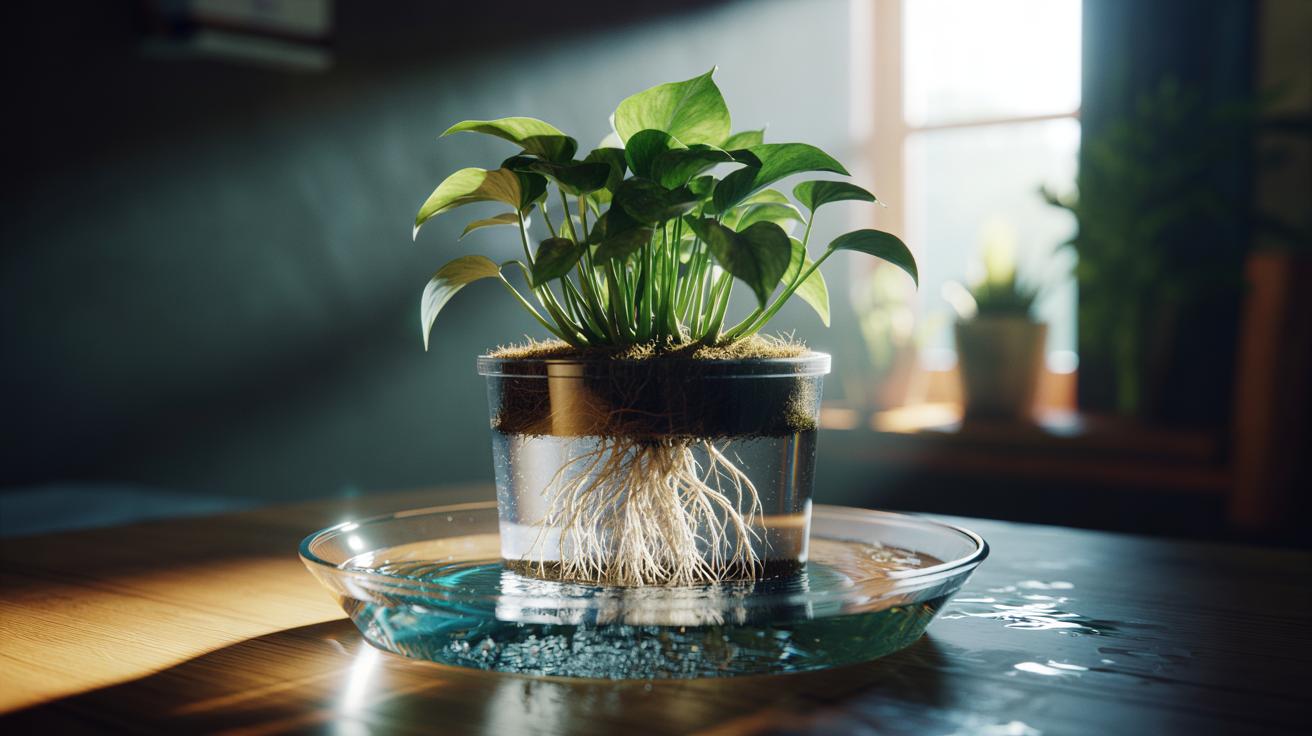
Watering from below has become a quiet revolution for British plant-keepers who are weary of soggy compost and collapsing stems. The bottom-watering method invites moisture up through capillary action, leaving foliage and stems dry while delivering water precisely where roots can use it. It is a gentle soak rather than a flood, creating a more even, oxygen-friendly profile in the pot. In a country where radiators and changeable seasons can swing indoor humidity, this approach stabilises care. By keeping crowns and leaves dry, you dramatically cut the conditions that allow root rot to take hold. Done properly, it builds resilience, discourages fungus gnats, and encourages deeper, stronger roots—without the guesswork of pouring from the top.
Why Bottom-Watering Prevents Rot
Rot thrives when compost stays saturated around stems and the top few centimetres of mix. Traditional top watering can swamp that zone, starving it of oxygen and inviting pathogens. Bottom-watering reverses the exposure: water wicks upward, creating a gentle moisture gradient as the plant drinks. The crown and upper mix remain relatively aerated, so there’s less chance for damping-off and bacterial soft rot. Keeping the surface drier also deters fungus gnat larvae that feed in wet top layers. Because the pull is driven by capillary action rather than pressure from above, particles settle instead of floating, helping the structure of the compost remain open and breathable.
As the water line rises, roots sense moisture and extend into it, producing a denser, downward-reaching network instead of shallow, mushy tips. This builds a more robust root-to-shoot balance, helping plants process water quickly after each soak. The result is steady hydration without the waterlogging that often follows hurried pours from a jug, especially in compact or peat-heavy mixes that smear and seal at the surface.
How to Use the Gentle Soak Method
Start with a pot that has free-flowing drainage holes. Set it in a tray or sink and add water until the liquid sits 2–4 cm up the side of the pot. Use room-temperature water; cold shocks roots, while hot increases salt mobility. Allow the plant to wick moisture for a set period, then lift it to drain. Stop the soak once the top is just cool and faintly damp, not wet and shiny. Gauge success by weight: a well-watered pot feels distinctly heavier yet still airy. Apply fertiliser at half strength if dosing via the tray, as nutrients concentrate in a smaller water volume.
Timings depend on pot size, material, and mix. Terracotta wicks faster and may need a few minutes more than plastic. Chunky, barky mixes drink slowly; fine peat blends take up water quickly yet can slump if oversoaked. The goal is consistent moisture through the root zone without leaving the plant sitting in water for hours. Drain time matters: give five minutes on a rack to shed excess, and empty saucers to prevent reabsorption.
| Pot Size | Typical Soak Time | Stop When |
|---|---|---|
| 8–10 cm (small) | 8–15 minutes | Top feels faintly cool; weight increases |
| 12–15 cm (medium) | 15–25 minutes | Top just damp; no standing water in tray |
| 17–20+ cm (large) | 25–40 minutes | Moisture reaches upper third of mix |
Strengthening Root Systems Through Controlled Thirst
Healthy roots need both moisture and air. Bottom-watering supports this by delivering water from below while preserving pockets for gas exchange near the top. Roots sense a mild gradient and grow toward it, thickening into a fibrous, resilient network. These tougher roots recover faster from repotting, resist opportunistic pathogens, and anchor the plant more securely. Between soaks, let the mix partially dry based on species—slightly for tropical foliage, more for succulents. This controlled dry-down triggers growth signals that favour root expansion over floppy foliage spurts.
Pair the method with an airy substrate—think perlite, bark, and coarse fibres in blends marketed as “well-draining.” Such structure allows water to climb without collapsing channels needed for oxygen diffusion. You’ll also see steadier nutrient uptake: because the root zone remains evenly moist, fertiliser burn is less likely than in parched-then-flooded cycles. Over time, plants develop a “bottom-seeking” root habit that reduces wilting risk during heatwaves and stabilises growth through the darker British winter months.
Common Mistakes and When to Top-Water Instead
Bottom-watering is not a carte blanche to leave pots sitting in saucers all afternoon. Prolonged soaking depletes oxygen and invites the very rot you are trying to prevent. Set a timer and drain fully. Another pitfall is hydrophobic compost: neglected peat mixes can repel water and must be thoroughly re-wetted from above—or with a drop of mild wetting agent—before the method works. Watch for fertiliser salts; because there’s limited runoff, minerals can accumulate at the top crust. A monthly top-down flush helps reset the mix and keeps leaves free from dust and residues.
Species nuance matters. African violets prefer dry leaves and often thrive on bottom soaks, but many succulents still benefit from occasional full drenching to flush salts. Epiphytes in very chunky bark may require a mix of misting, dunking, and brief bottom soaks to hydrate evenly. Keep trays clean to prevent algae and bacteria, and adjust soak times with the season: cooler rooms need less time than sun-warmed sills. When in doubt, prioritise the plant’s weight, leaf turgor, and the feel of the top centimetre of compost over the clock.
The quiet discipline of bottom-watering rewards patience. By inviting water upward, you protect crowns, preserve air in the mix, and nudge roots to grow stronger and deeper. Pairing the gentle soak with airy substrates, careful timing, and periodic top-down flushes delivers steady growth without the anxiety of rot. Consistent, oxygen-rich moisture is the simplest insurance policy your houseplants can have. As daylight shifts and radiators click on, which of your plants will you trial with a bottom soak next, and how will you tailor timings and mixes to match your home’s unique microclimates?
Did you like it?4.5/5 (20)