In a nutshell
- 🌾 Rice water starch feeds beneficial microbes, improving nutrient cycling and soil structure so limp plants regain turgor and leaf strength.
- 💧 Use it safely: unsalted, cooled, and diluted (1:1–1:2), applied as a soil drench—not on leaves; mild fermentation is optional and should not smell rancid.
- 🌿 Best for peace lilies, pothos, philodendrons, ferns, and basil; avoid succulents, cacti, and orchids, and ensure good drainage to deter fungus gnats.
- 🧪 It’s not a complete fertiliser; benefits are modest via microbial mineralisation and won’t compensate for poor light, temperature, or basic care.
- 🔁 For balance, alternate with a complete liquid feed, use softer water if needed, refresh compacted compost, and consider worm castings—when in doubt, dilute.
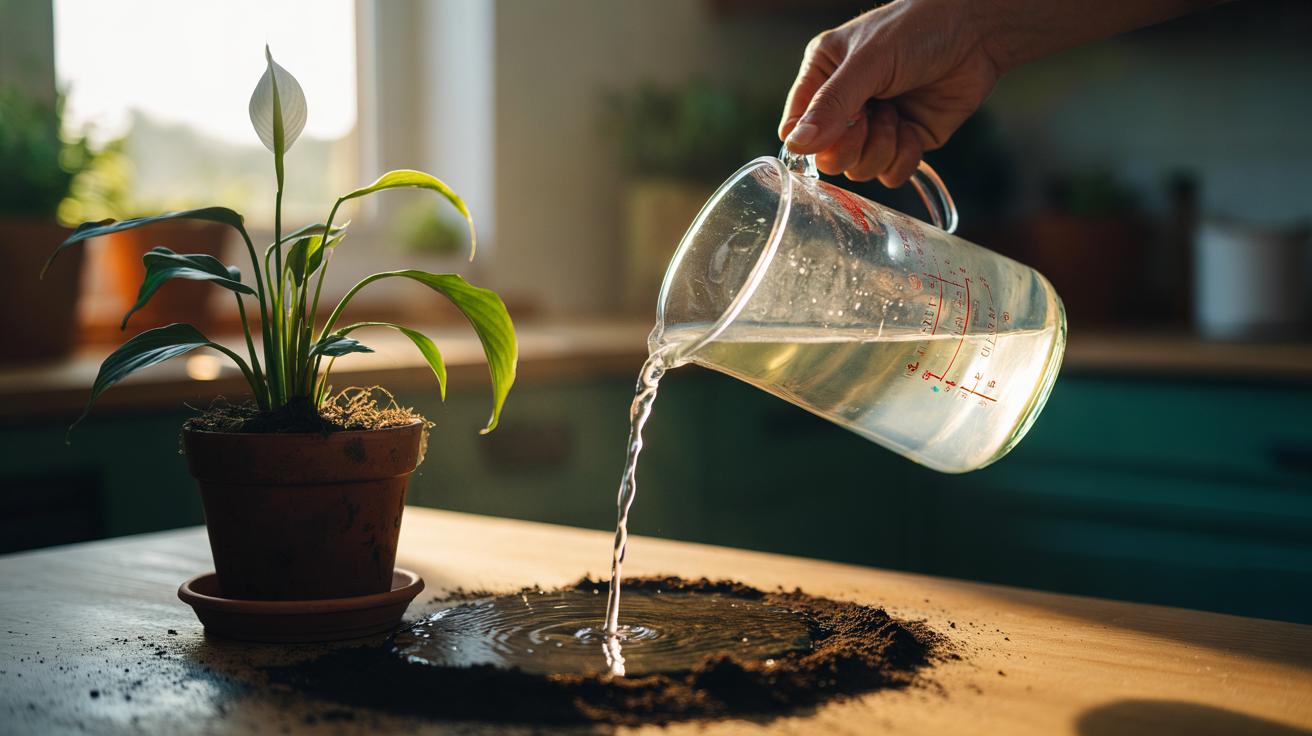
The humble pot of cooking water you pour down the sink after boiling rice can be a gentle tonic for flagging houseplants. Rich in starch and trace compounds washed from the grain, this cloudy liquid gives soil life a quick meal and, in turn, helps roots drink more efficiently. Gardeners notice drooping foliage regain turgor and sheen within days when conditions are right. The trick is to treat it as a microbe-friendly brew, not a miracle fertiliser. Never use salted or oiled rice water, and apply it to the compost rather than the leaves. Handled with care, leftover rice water can transform waste into a thrifty, plant-boosting habit.
Why Starchy Rice Water Helps Plants
When rice boils, loose granules of starch leach into the water. In soil, that starch acts as a mild carbon source for beneficial microbes, which metabolise it into simple sugars and organic acids. These by-products help unlock tied-up nutrients and stimulate fine root growth. As microbial colonies expand, they exude sticky substances that improve soil structure, letting pots hold moisture without becoming sodden. The result is better water movement and nutrient uptake, so limp leaves recover turgor. Think of rice water as a starter snack for the rhizosphere, not a substitute for balanced feeding.
| Component in Boiled-Rice Water | What It Does in Soil | Use With Care |
|---|---|---|
| Starch | Feeds microbes; improves nutrient cycling | Excess can sour anaerobic pots |
| Trace minerals (K, P, Si) | Small supplementary nutrients | Not a complete fertiliser |
| Proteins/compounds from grain | Minor nitrogen contribution | May attract fungus gnats if overused |
| Warm water | Improves nutrient solubility | Always cool before use |
Unlike salt-based feeds, rice water’s action is indirect. It nudges the soil ecosystem so roots can do their job more efficiently. That is why effects are gradual yet noticeable, especially on plants suffering mild stress from inconsistent watering. Paired with a normal fertiliser routine and good light, the extra microbial activity often translates into thicker, more resilient foliage. Used sparingly, it’s a low-cost boost with a low risk of fertiliser burn.
How to Prepare and Use Boiled-Rice Water Safely
Cook your rice in plain water with no salt, stock, or oil. Once done, drain the cloudy liquid into a clean jug and allow it to cool to room temperature. Do not pour hot water onto roots. Dilute the cooled rice water with plain tap or rainwater at roughly 1:1 to 1:2, then use it as a soil drench. Aim for enough to moisten the root zone without flushing. Apply to the compost, not the leaves, to avoid sticky residues and fungal spots. For most houseplants, weekly to fortnightly use is ample.
If you wish to encourage a mild fermentation, loosely cover the jug and leave it 24–48 hours, then dilute more generously (up to 1:3). A faintly sour aroma is normal; a rancid stink signals spoilage—discard it. Store in the fridge for no more than two days. Water early in the day and let the top centimetre of compost dry before the next drink. This deters fungus gnats and keeps the potting mix aerated. When in doubt, dilute.
Plants That Thrive With Rice Water—and Those That Don’t
Leafy, moisture-loving houseplants respond best. Peace lilies, pothos, philodendrons, ferns, calatheas, and herbs such as basil often show perkier leaves after a few cycles. Seedlings and recently repotted specimens can benefit from the gentle microbial lift without the shock of strong fertiliser. Plants grown in peat-free mixes rich in composted bark also tend to react well, as the extra carbon helps existing soil biology gel into place. Combine rice water with bright, indirect light and steady warmth for the biggest gains.
Some species are poor candidates. Succulents and cacti dislike consistently moist, microbe-rich media and are prone to rot if fed carbohydrate solutions. Epiphytes such as orchids and tillandsias prefer airy, low-residue watering and can suffer from film build-up on roots. Avoid rice water on plants with chronic fungus gnat issues, or where drainage is weak. Signs of overuse include a sour odour, white biofilm on compost, and drooping from oxygen-starved roots. If any appear, flush with plain water and pause usage for several weeks.
Evidence, Limits, and Smart Pairings
There is no large, controlled trial proving rice water outperforms standard feeds, yet agronomy offers clear hints. Adding gentle carbon sources often sparks microbial mineralisation, making phosphorus and micronutrients more available. In flooded paddy systems, rice roots partner with microbes to trade exudates for nutrients; rice water borrows this logic for pots. The effect is modest, so expectations should be too. It will not rescue a plant starved of light, heat, or basic care. Think of it as a supportive nudge alongside routine maintenance.
For a balanced programme, alternate rice water with a complete liquid fertiliser at half strength during active growth. Use soft water if your tap supply is very hard, and refresh compacted compost yearly to keep oxygen flowing. Pairing with a thin mulch of worm castings can compound the microbial benefits. Sustainable by design, rice water turns kitchen waste into value—just keep the dose small and the rhythm steady for lasting results.
Used thoughtfully, boiled-rice water is a frugal, soil-first way to help limp leaves lift and strengthen. By feeding the underground workforce, it steadies moisture balance and coaxes roots to explore, which supports firmer, glossier foliage up top. The key is restraint: unsalted, diluted, and applied to the soil—not the leaves. Combined with light, warmth, and occasional balanced feed, it becomes a reliable, low-risk ritual. Will you start saving that cloudy liquid, and which plant on your windowsill will be first to taste this simple, starch-powered boost?
Did you like it?4.4/5 (20)