In a nutshell
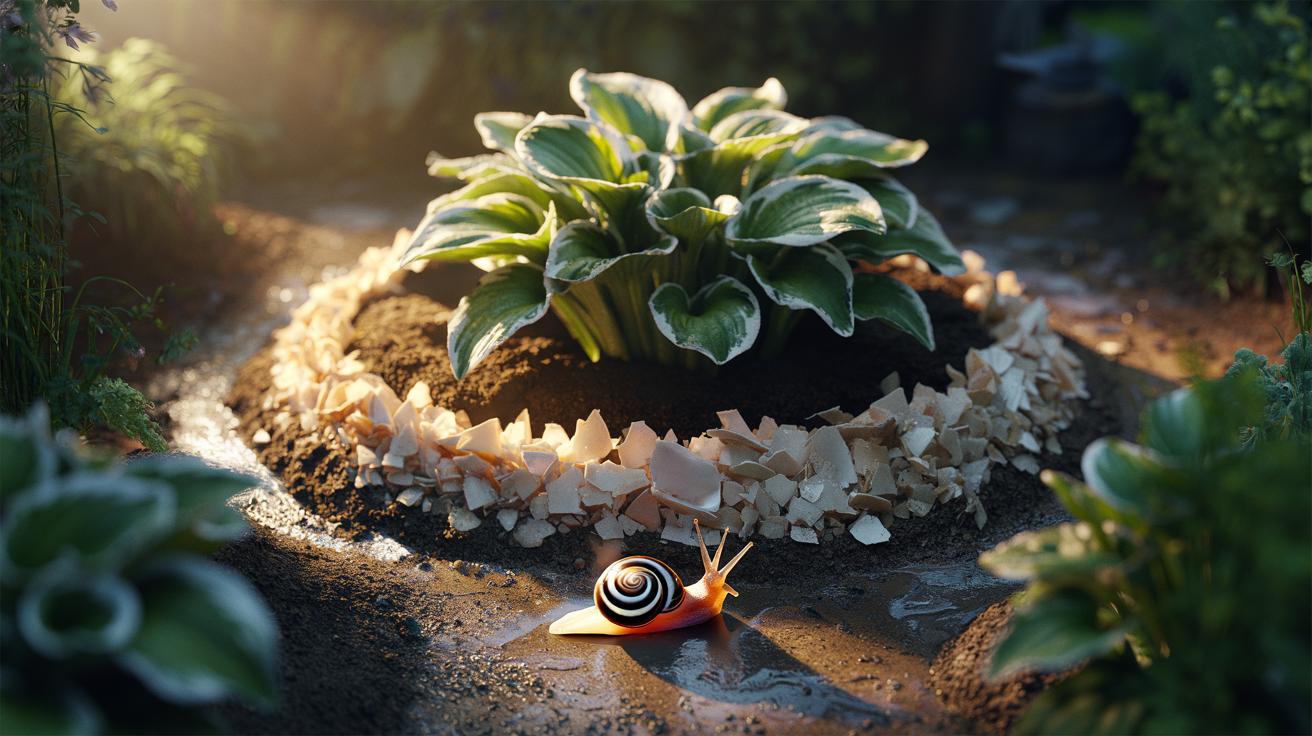
- 🌿 Crushed eggshells form an abrasive barrier that deters slugs and snails from flower beds; coarse 2–5 mm particles wick moisture and scuff soft bodies, discouraging crossings without eradication.
- 🧪 Prep is simple: rinse, dry, bake at 120–150°C, then crush; blend roughly 60% shells, 30% sharp sand, and up to 10% diatomaceous earth, keeping the mix bone-dry and away from acid-loving plants.
- 🛠️ Apply a continuous ring 3–5 cm wide and 3–5 mm thick, set slightly off stems; seal gaps, refresh after watering or rain, and patrol at dusk/dawn to reinforce disturbed sections around pots and borders.
- 🌧️ Evidence is mixed and weather-dependent—barriers weaken in persistent wet—yet this wildlife-friendly method fits UK gardens as a practical alternative to withdrawn metaldehyde, strengthening integrated pest management.
- 🤝 Pair with copper tape, beer/yeast traps placed away from beds, night hand-picking, wildlife allies, and resilient plant choices for a layered, low-cost, UK-ready strategy.
British gardeners have a new-old ally in the war against slugs and snails: the humble breakfast scrap. Crushed eggshells, blended into a gritty, mineral-rich mix, create a defensive ring that discourages soft-bodied pests from crossing into cherished flower beds. The appeal is obvious. It’s cheap. It’s circular. It’s kinder to wildlife than chemical pellets, many of which have been withdrawn from sale in Great Britain. Results vary, yes, but the method shines when applied correctly and maintained with care. Think of it not as a silver bullet, but as a sharp-edged moat that nudges pests elsewhere while adding a whisper of calcium back to your soil.
How Crushed Eggshells Deter Slugs and Snails
Slugs and snails move on a vulnerable, mucus-lubricated foot. That’s their weakness. Coarsely crushed eggshell grit forms an abrasive barrier, peppered with jagged micro-edges that are uncomfortable to cross. The particles wick moisture, scuff the foot, and force pests to spend more energy producing slime. Many simply divert. Calcium carbonate also dries quickly in light winds, helping the ring reset after dew. In mild, dry spells, the deterrent effect can be striking, especially around tender bedding plants and hosta crowns that otherwise resemble a buffet.
Yet realism matters. Eggshells deter; they do not eradicate. When rain compacts the barrier or when particles are ground too fine, determined slugs can slime over. The answer is texture. Keep pieces between roughly 2–5 mm, replenished to maintain sharpness and depth. The side benefit is gentle soil conditioning: trace calcium supports crumb structure, and the pale grit doubles as a visual slug-monitor—disturbed rings reveal nightly incursions at a glance.
Preparing the Eggshell Mix: Step-by-Step
Start by rinsing shells and drying thoroughly. Bake at 120–150°C for 10–15 minutes to sanitize and make them brittle. Crush with a rolling pin or mortar until you have coarse, irregular grit—avoid dust. For staying power, fold the shells into a dry blend: sharp horticultural sand for weight and drainage, plus a small measure of a high-friction additive. Many gardeners like a pinch of diatomaceous earth for extra bite (use sparingly). Dryness is crucial: damp blends clump, flatten, and lose their edge.
| Component | Purpose | Suggested Ratio |
|---|---|---|
| Crushed eggshells | Abrasive grit and calcium | 60% |
| Sharp sand | Weight, drainage, stability | 30% |
| Diatomaceous earth (optional) | Extra friction on contact | Up to 10% |
Store the blend in an airtight tub with silica gel or rice to keep it bone-dry. Handle fine dust with care, using a simple mask if you’re producing large batches. Be thoughtful about plant choice too: shells and ash raise pH slightly, so keep the mix away from acid lovers like rhododendrons, camellias, and blueberries. If you prefer a kitchen-only recipe, skip add-ins; a pure, coarse eggshell barrier still performs respectably when maintained.
Applying and Maintaining the Barrier in UK Gardens
Application is straightforward. Clear leaf litter, then pour a continuous ring around vulnerable plants, 3–5 cm wide and 3–5 mm thick. Think moat, not dusting. Keep the mix a fingertip away from stems to avoid wicking moisture. Press lightly so particles interlock without compacting. In borders, create connected islands around clusters; in pots, run the barrier right to the container’s rim. Holes are invitations—seal gaps immediately. After watering, top up if the ring has slumped. In heavy rain, lift the crust and refresh the sharpness with a fresh sprinkle.
Timing helps. Patrol at dusk or dawn, when slugs are active, and reinforce disturbed rings. Pair the barrier with simple traps set a step away from prized flower beds, luring pests off the route. Reapply after gales, hose-downs, and downpours, which can flatten grit. Encourage allies—hedgehogs, frogs, ground beetles, and thrushes—by leaving wild corners and fresh water. Avoid salt, which harms soil life. Consistency outperforms intensity: small, regular top-ups beat heroic weekend overhauls.
Evidence, Limits, and Complementary Tactics
What does the evidence say? Informal trials and gardener diaries show mixed but promising results, with performance tied to particle size, depth, and weather. Under persistent wet conditions, any dry barrier struggles. That’s the key caveat. Still, as metaldehyde pellets have been withdrawn from sale in Great Britain, demand for low-impact options has grown. Eggshells slot neatly into integrated pest management: targeted, affordable, wildlife-friendly when used sensibly, and quick to deploy where damage is historically worst.
Balance the mix with other neat fixes. Copper tape on pot rims. Beer or yeast traps placed away from borders. Night-time hand-picking after rain. Spacing plants for airflow. Sacrificial lettuces at the bed’s edge. And resilient choices—ferns, hardy geraniums, astrantias—where pressure is relentless. The winning strategy is layered: no single control is perfect, but together they push snail damage below the pain threshold. Track results in a notebook for two weeks; tweak ring width, texture, and placement until you find your garden’s sweet spot.
In a season of tight budgets and wetter springs, the crushed eggshell mix offers a nimble, low-cost way to defend flower beds without compromising the life of the garden. It recycles waste, teaches observation, and gives you levers to pull when weather shifts. Set your rings, watch the trails, learn the nightly routes, then adjust. It’s simple, but not simplistic. How will you tailor this gritty barrier—ratios, ring width, companions—to fit your soil, your plants, and your very local slug-and-snail pressure?
Did you like it?4.5/5 (22)