In a nutshell
- 🥚 Crushed eggshells act as a slow-release calcium source that strengthens cell walls, preventing weak stems and issues like blossom end rot; they’re a steady fix, not an instant cure.
- ⚗️ Eggshells are ~95% calcium carbonate; release depends on soil acidity, microbial activity, and particle size, making them ideal for long-term buffering while gently nudging pH.
- 🔧 Preparation and use: rinse, dry, bake, and grind finely; apply about 1 cup/m² to beds, 1–2 tbsp/plant monthly, or 1–2 tsp/L in potting mix; pair with consistent watering and use gypsum for faster correction when needed.
- 🌱 Biology matters: compost and microbes unlock calcium; aim for pH 6.2–7, avoid excess ammonium, and keep moisture even; container crops may require supplemental liquid calcium.
- 🧪 Diagnose wisely: not every floppy stem is calcium—check for nitrogen excess, drought, root restriction, or compaction; use a two-track plan (gypsum now, eggshells long-term) plus staking, spacing, and mulch.
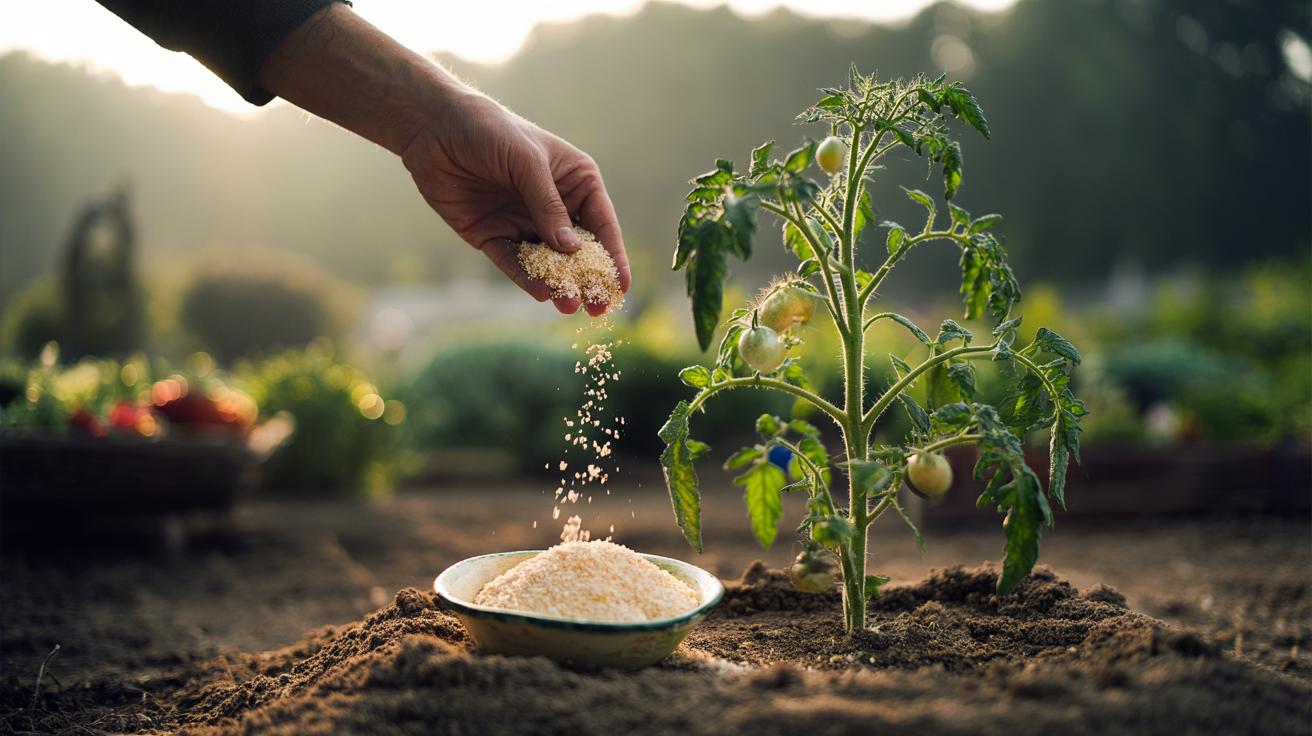
Gardeners swear by a simple ritual: drying, crushing, and sprinkling eggshells around hungry plants. The idea is elegant. The shells act as a slow-release source of calcium that strengthens cell walls and supports sturdy stems. While quick fixes dominate the fertiliser aisle, eggshells promise durability, not drama. They are not an instant cure, but a steady mineral drip that supports long-term resilience. Used wisely, the sprinkle can counter common problems from tip burn to blossom end rot, while avoiding harsh swings in soil chemistry. Here’s how crushed shells truly work, how to apply them, and what to expect in real beds, borders, and containers.
Why Calcium Matters for Stems and Cell Walls
Plants rely on calcium to knit together the pectin matrix in cell walls. Those tiny cross-links deliver the stiffness that holds leaves upright, keeps stems from buckling, and stabilises new growing tips. Calcium also supports xylem integrity, helping water move smoothly. Deficiency shows up where growth is fastest: wilting new leaves, distorted tips, brittle stems, and blossom end rot in tomatoes and courgettes. Because calcium is largely immobile inside plants, you cannot shuffle it from old tissue to new. Any interruption in supply, especially during rapid growth, quickly appears as weak, easily damaged tissue.
Soil tests may show adequate calcium while plants still struggle. That paradox stems from delivery, not just quantity. Calcium rides the transpiration stream; drought, root damage, or compacted soil can slow it to a crawl. Excess ammonium nitrogen and high salts complicate uptake, as do overly acidic or waterlogged conditions. The fix is a steady, accessible pool of calcium in the root zone, matched with consistent moisture and healthy structure—precisely where a slow-release mineral like crushed eggshell can help.
What Crushed Eggshells Actually Provide
Eggshells are about 95% calcium carbonate (CaCO3), plus traces of magnesium, phosphorus, and beneficial micro-elements such as strontium. The carbonate form dissolves slowly, especially in neutral to alkaline soils, so release depends on soil acidity, microbial activity, and particle size. Finely ground shells expose more surface area, increasing the rate at which carbonic and organic acids unlock calcium. In practical terms, eggshells are a long-haul supplement that builds a background buffer rather than a fast rescue. That’s ideal for perennials, fruiting veg after establishment, and beds where you want gradual improvement.
| Material | Main Mineral | Approx. Content | Release Speed | Best Use |
|---|---|---|---|---|
| Crushed Eggshell | Calcium carbonate | ~95% CaCO3 | Slow | Long-term calcium, mild pH buffering |
| Gypsum | Calcium sulfate | ~23% Ca | Moderate | Quick calcium without raising pH |
| Agricultural Lime | Calcium carbonate | ~90% CaCO3 | Moderate | Raise pH and add calcium |
Because eggshells act gently, they are less likely to overshoot pH or shock roots. The trade-off is time: visible effects may take weeks in active soils and months in cool, dry beds. Combine shells with organic matter to power microbes that accelerate dissolution and escort calcium to root surfaces.
How to Prepare and Apply the Eggshell Sprinkle
Start with clean shells. Rinse, then dry thoroughly. For a sanitary product that crushes crisply, bake at 120–150°C for 10–15 minutes. Pulse in a grinder to produce a coarse powder; the finer the grind, the faster the release. Powdered shells outperform chunky flakes because surface area governs dissolution. Store in a dry jar. The goal is consistency, not clumps.
For beds, top-dress at about 1 cup per square metre in spring and gently rake into the top 2–3 cm. Around individual plants, use 1–2 tablespoons per medium plant monthly through the season, keeping powder a few centimetres from stems. In pots, mix 1–2 teaspoons per litre of fresh compost at planting; avoid heavy layers that interfere with watering. Always pair with even moisture, mulching if necessary. If you need rapid correction—for example, in fruiting tomatoes—add a bit of gypsum for immediate calcium while the shells do background work.
Monitor pH annually. Eggshells nudge soil alkaline over time. If your soil already sits above pH 7.5, prefer gypsum for calcium and rely on shells sparingly, if at all.
Boosting Release With Biology and Smart Watering
Eggshells move from inert grit to plant nutrition through the chemistry of life. Compost, leaf mould, and vermicompost supply organic acids that dissolve carbonate. Beneficial fungi extend reach, while bacteria exchange protons at the root surface to swap calcium into solution. Think of shells as a mineral reservoir that microbes unlock. Keep the soil slightly moist to keep that engine running; extreme dryness stalls breakdown, and waterlogging starves roots of oxygen.
Set the stage: aim for pH 6.2–7 for veg, avoid excess ammonium fertilisers, and feed modestly with balanced nutrients. During peak fruit set, regular watering prevents the transport bottlenecks mistaken for a lack of calcium in the soil. In containers, use a peat-free or loam-based mix with added compost and consider a small dose of liquid calcium chelate if deficiency threatens; shells alone are too slow in a short-season pot crop. Mulch to moderate temperature swings and preserve consistent uptake.
Troubleshooting Weak Stems: A Quick Diagnostic
Not every floppy stem is a calcium story. Rapid, lush growth from high nitrogen can produce soft tissues that fold in wind. Irregular watering interrupts calcium transport and mimics deficiency. Root-bound pots, compacted beds, or cold soils reduce uptake. Distinguish by symptoms: calcium shortage strikes new growth first—distorted tips, tip burn, and fruit-end rot. Nitrogen excess yields dark, oversized leaves; drought gives crispy margins. Address the cause before piling on amendments. Stake tall crops, prune sensibly, and space plants for airflow so stems thicken rather than stretch.
When urgency is real, use a two-track approach. Apply a light top-dress of gypsum for near-term calcium and water in, then maintain a monthly eggshell sprinkle to rebuild the baseline. Improve rooting with compost and a thin mulch, and water deeply on a schedule. Foliar calcium can support developing tissues but will not rebuild damaged cell walls. Reassess after two weeks and adjust feeding to keep growth steady rather than explosive.
Crushed eggshells are not magic, but they excel at one crucial job: supplying a steady, biologically mediated stream of calcium that strengthens stems and stabilises new growth. Used alongside compost, regular watering, and sensible feeding, they turn today’s kitchen waste into tomorrow’s structural integrity. The secret is patience and process, not a single sprinkle. By thinking in seasons instead of days, you fix weak stems at their foundation rather than chasing symptoms. How will you fold this slow-release strategy into your planting plan—bed by bed, crop by crop, and season by season?
Did you like it?4.5/5 (29)