In a nutshell
- 🥚 Eggshells deliver slow-release calcium that strengthens cell walls, improves soil health, and helps prevent blossom end rot—best results come with consistent watering since calcium is immobile in plants.
- ⚗️ Preparation matters: rinse, dry, lightly bake, then grind to a near powder for faster dissolution of CaCO3; mix into compost or topsoil at measured rates and test pH; skip coarse shells as slug barriers.
- 🌱 Soil chemistry and biology: release depends on organic acids and active microbial life; maintain ionic balance to avoid antagonism with magnesium and potassium, and keep acid-loving plants away from calcium-rich amendments.
- 🧭 Right tool, right job: choose eggshells for gentle, circular nutrition, lime to reliably raise pH, and gypsum for calcium without shifting pH—guided by soil tests and crop needs.
- 📈 Real-world takeaways: UK growers saw fewer disorders and better texture when shells were paired with compost and steady irrigation; integrate with IPM and broader soil management for resilient growth.
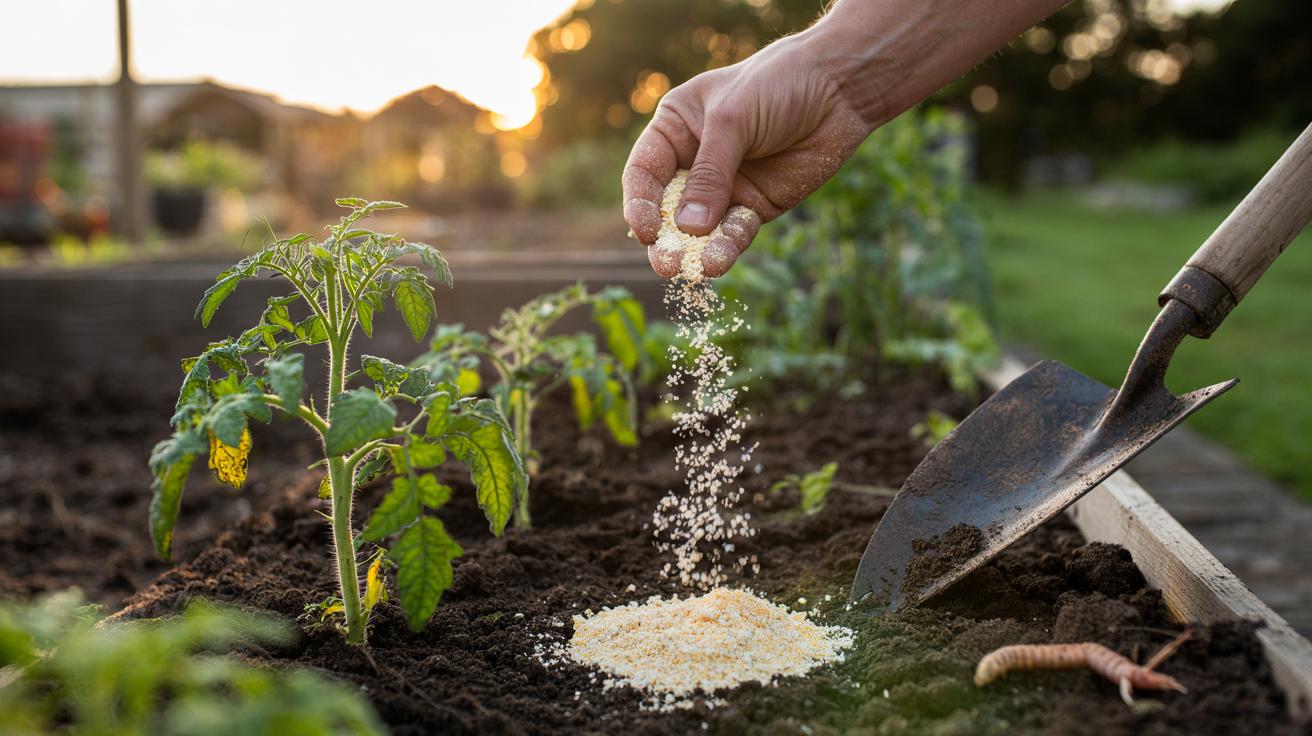
Britons crack millions of eggs each week; in gardens from Cornwall to Caithness, those shells can become a quiet engine of fertility. Pulverised eggshells supply slow-release calcium that strengthens cell walls, steadies nutrient uptake, and helps prevent disorders like blossom end rot in tomatoes. When crushed finely and blended into compost or potting mixes, shells bolster soil health without the carbon footprint of mined lime. The trick is understanding their chemistry, managing timing, and pairing them with good watering and balanced nutrition. Handled thoughtfully, an everyday kitchen scrap can become a resilient foundation for stronger growth.
Why Calcium Matters in Plant Physiology
Calcium underpins plant structure. It binds pectin in cell walls, creating rigid scaffolding that resists disease and mechanical stress. It also acts as a signalling ion, helping roots perceive stress and steer growth. Because calcium is largely immobile in the phloem, each new leaf and fruit cluster needs a steady local supply from the soil solution. Once a tissue forms with too little calcium, you cannot retroactively repair it. That is why erratic moisture or low soil availability shows up as blossom end rot in tomatoes and peppers, or tip burn in lettuce and brassicas.
Supplying calcium is only half the story. Consistent watering ensures transport to developing tissues, while adequate magnesium and potassium keep ionic balance. A living soil with good cation exchange capacity buffers fluctuations, smoothing the delivery of calcium during heatwaves or growth spurts. In short: feed the soil, stabilise moisture, and calcium can do its quiet, structural work.
From Breakfast to Bedrock: Preparing Eggshells for the Soil
Rinse eggshells, air-dry, then bake at 120–150°C for 10–15 minutes to sterilise and make them brittle. Grind to a near powder; a spice mill or mortar works well. The finer the grind, the faster your calcium carbonate dissolves. For pots, mix 1–2 tablespoons per litre of potting compost; for beds, work in 100–200 g per square metre in autumn or early spring. Always test your soil pH before heavy applications to avoid unintended alkalinity.
Top-dressing is acceptable, but incorporation into compost or the top 5–8 cm of soil enhances contact with acids and microbes, speeding release. Combine shells with mature compost to pair minerals with organic matter. In wormeries, powdered shells temper acidity and provide grit. Avoid scattering coarse flakes as “slug armour”: trials show unreliable results. Instead, lean on tidy beds, copper barriers where needed, and a biologically rich soil that fosters natural predators.
Soil Chemistry: pH, Release Rates, and Microbial Partners
Eggshells are primarily CaCO3, dissolving when organic acids or carbonic acid lower pH at the microscale. They act slowly, often taking months, which suits long-term soil conditioning rather than emergency fixes. In neutral to slightly alkaline beds, their effect is modest; in acidic soils, release accelerates and can gently lift pH. Do not expect powdered shells to cure a sudden deficiency in days—that calls for soluble calcium or foliar strategies.
Microbial life is the catalyst. Fungi and bacteria exude acids that weather shell particles, while humus increases cation exchange capacity, holding calcium near roots. Balance matters: excessive calcium can antagonise magnesium and potassium, so avoid over-application, especially if you already use liming materials. Keep acid lovers—blueberries, rhododendrons, camellias—away from calcium-rich mulches. For these, target organic mulches and, if needed, gypsum where structure, not pH, is the priority.
Choosing Between Eggshell, Lime, and Gypsum
All calcium sources are not equal. Eggshells recycle kitchen waste and add calcium gently. Agricultural lime (ground limestone) raises pH predictably across whole plots. Gypsum contributes calcium and sulphur without shifting pH, making it ideal for heavy clays or crops sensitive to alkalinity. Selecting the right tool saves time and avoids nutrient antagonism. Match the amendment to your soil test, crop list, and timing to get measurable gains.
| Amendment | Typical Calcium (%) | pH Effect | Release Speed | Best Use |
|---|---|---|---|---|
| Eggshell (powdered) | 34–38 | Mildly raises over time | Slow | Home recycling; steady conditioning |
| Agricultural lime | 35–40 | Raises pH reliably | Moderate | Acid soils; whole-bed correction |
| Gypsum | 22–24 | Neutral | Moderate | Clay structure; calcium without alkalinity |
When speed matters, lime or gypsum outperform shells. When waste reduction and gentle buffering are priorities, eggshells shine, particularly blended into compost for microbial activation.
Practical Results: Case Notes From UK Allotments
On a North Yorkshire plot, a grower milled a winter’s worth of shells and folded them into his tomato trench with compost. The following summer, he logged fewer blossom-end-rot losses and firmer fruits, but only after tightening irrigation and mulching. In Kent, a salad grower reported crisper romaine hearts after powdering shells into worm castings for spring potting mixes. The common thread was consistent moisture and organic matter, not shells alone.
Myth-busting matters. Coarse shells around cabbages did not halt slugs, but a combination of beer traps, nocturnal hand-picking, and copper bands did. On heavy Midlands clay, gypsum enhanced tilth quickly, while shells continued as a slow, circular nutrient stream. The lesson: use eggshells strategically within a broader regime—test soil, rotate crops, diversify organic inputs, and water on rhythm. Then that breakfast by-product becomes a quiet ally to sustained, resilient growth.
Eggshells are no silver bullet, yet their slow-release calcium can strengthen cell walls, buffer pH in acidic soils, and support microbial life when milled fine and used judiciously. Partner them with compost, steady watering, and targeted amendments such as lime or gypsum where appropriate. Keep a notebook, test your soil, and tweak rates by bed and crop. You will spend less, waste less, and grow sturdier plants. How might you fold a season’s worth of shells into your own garden plan to test what works best under your conditions?
Did you like it?4.4/5 (29)