In a nutshell
- 🌊 Calcium-rich seashells made of calcium carbonate improve soil structure by promoting flocculation, creating micro-pores that boost drainage and reduce compaction.
- 🧪 Provide gentle pH buffering suited to most beds, but avoid ericaceous areas; shells act as a long-term scaffold for free-draining soil when paired with compost and healthy biology.
- 🌿 Practice responsible sourcing: use local shell waste, respect bylaws and habitats, then clean, dry, and crush to 2–10 mm grit; wear protection and avoid acid cleaning to preserve nutrients.
- 🛠️ Apply effectively: mix 0.5–1 kg/m² into heavy soil, add a 1–2 cm container base layer, blend 10–20% into potting mixes, and mulch 2–3 cm; rinse sea shells and test pH annually.
- 🎨 Design with function: create reflective paths and edging that stay drier, reduce splash and slugs, and choose shell types (oyster, mussel, scallop, cockle) for texture and look that suit your garden.
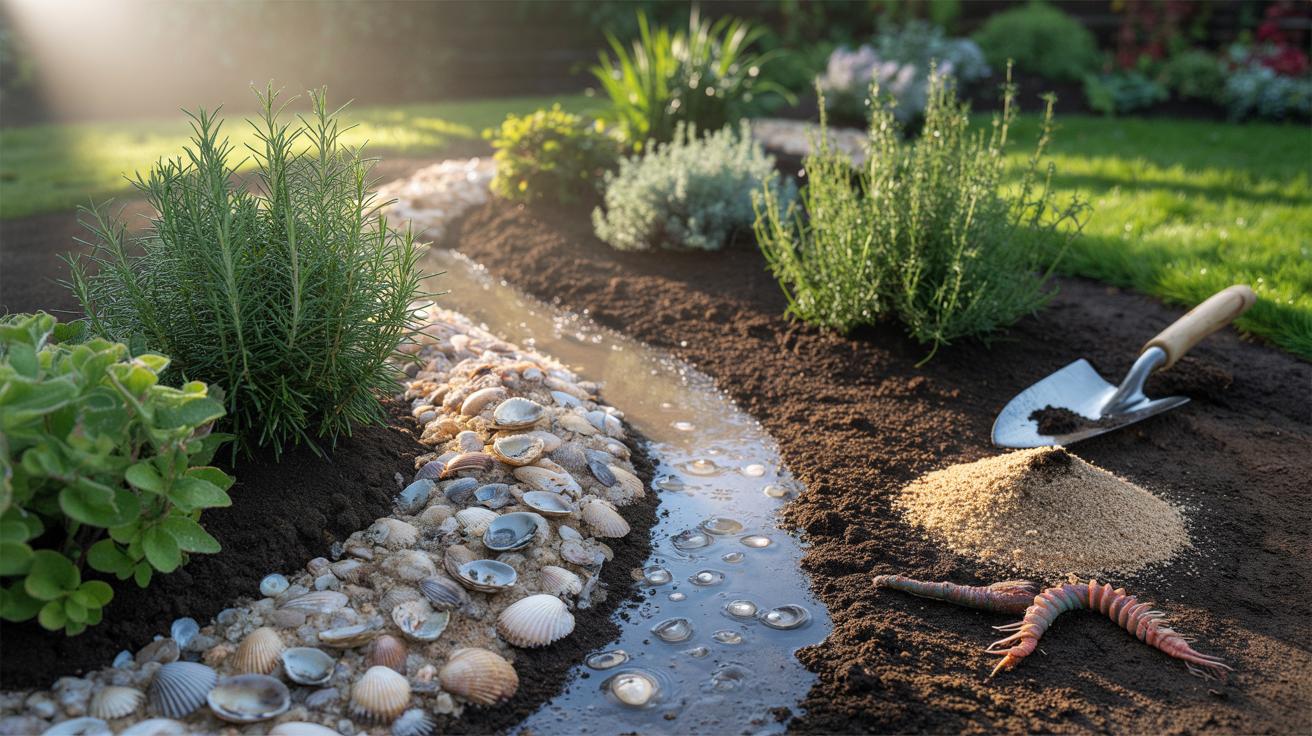
On a windswept British coast, a pocketful of shells can look like a souvenir; in the garden, those fragments become a quiet revolution. When used thoughtfully, calcium-rich seashells do more than decorate—they reshape heavy soils, brighten borders, and reduce waterlogging. Crushed into grit and layered as mulch or worked into the ground, shells help form airy channels that let roots breathe and rain drain. Their pale tones lift shady corners and set off foliage, while the material itself is a slow-release source of calcium carbonate. Handled responsibly, shells offer both charm and function, turning coastal character into practical soil care without the stark footprint of imported aggregates.
Why Calcium-Rich Shells Transform Soil Structure
Seashells are composed largely of calcium carbonate (CaCO3), a mineral that subtly reconditions soil. As shells weather, they release calcium, encouraging clay particles to flocculate—clumping into stable crumbs that open up micro-pores. Those pores act like tiny gutters, improving infiltration and reducing runoff, which is vital on UK plots prone to winter saturation. The gritty edges of crushed shell also create lasting voids, preventing compaction and letting oxygen reach microbial communities. In short, shell grit builds structure that water can move through, rather than sit upon, and it does so gradually, avoiding the disruptive shock of heavy mechanical cultivation.
Beyond structure, shells provide gentle pH buffering, offsetting acidity without the abrupt lift associated with quick-lime. That slow action suits most ornamental beds and vegetable patches, though it is wise to keep shells away from ericaceous areas where camellias, rhododendrons, and blueberries demand low pH. The material’s durability means improvements persist across seasons, especially when paired with compost that feeds biology. Think of shells as a long-term scaffold for crumbly, free-draining soil that resists slumping after rain.
| Shell Type | Typical CaCO3 % | Texture When Crushed | Best Drainage Uses |
|---|---|---|---|
| Oyster | 95% | Coarse, plate-like chips | Clay-breaking amendment; path toppings |
| Mussel | 90–95% | Flaky grit, smaller shards | Container drainage; mulches |
| Scallop | 95% | Broad, firm pieces | Decorative mulch; edging |
| Cockle | 90–95% | Rounded chips | Soil amendment; pathways |
Sourcing, Cleaning, and Preparing Seashells Responsibly
The greenest approach is to use locally recovered shells that would otherwise be discarded. Ask fishmongers, seafood restaurants, or community composting schemes for clean shell waste, or choose bagged shell grit sold by garden centres. If you visit beaches, take only small amounts where permitted and avoid protected sites or wildlife-rich wrack lines. Always check local bylaws and conservation guidance before collecting, and leave living organisms, egg cases, and vivid microhabitats undisturbed. Responsible sourcing ensures the beauty in your beds doesn’t come at a coastal cost.
Preparation is simple. Rinse shells well to remove salt, then soak in warm, soapy water and scrub with a stiff brush. Air-dry thoroughly or bake on a tray at low heat to drive off moisture and reduce odours. Crush inside a heavy-duty sack using a mallet, aiming for 2–10 mm grit for soil work and larger chips for decorative mulches. Wear eye protection and a dust mask when crushing; shell dust is abrasive. Avoid strong acid cleaning, which dissolves calcium and wastes the very qualities that benefit your soil.
How to Use Shells for Drainage, Mulch, and Soil Health
For heavy beds, fork in 0.5–1 kg per m² of clean, crushed shell alongside generous compost. This blend creates a matrix of organic matter and mineral grit that resists compaction and speeds infiltration. Water moves more freely, roots explore deeper, and earthworms redistribute fragments naturally. If your soil is already neutral-to-alkaline, reduce the rate and reassess after a season. Test soil pH annually before reapplying shells, keeping them away from acid-loving shrubs that prefer a low pH regime.
Containers benefit from a 1–2 cm base layer of shell grit beneath the potting mix to prevent waterlogged zones, plus 10–20% shell grit blended into mixes for thirsty, non-ericaceous plants. As a mulch, lay 2–3 cm of chips around perennials and edibles to limit splash-back, discourage slugs and snails, and brighten the soil surface. Rinse sea-sourced shells thoroughly to remove residual salts, and top up each spring as pieces weather and settle. The slow release of calcium supports aggregate stability over time, especially when paired with leaf mould or well-rotted manure.
Attractive Design Ideas With Practical Benefits
Shells elevate garden character while earning their keep. Create pale, reflective paths that stay drier underfoot after rain, or define borders with a subtle ribbon of scallop chips to set off grasses and mediterranean herbs. In kitchen gardens, a shell strip along bed edges deters soil splash onto lettuces and keeps access crisp. Used thoughtfully, shells act as both ornament and infrastructure, brightening spaces that can feel heavy in overcast months and guiding water where you want it to go.
For containers, a thin topdressing of mussel grit around scented pelargoniums or succulents adds sparkle while slowing surface compaction. Mosaic stepping stones seeded with small shell fragments bring coastal texture to courtyards without dominating the scheme. If you have pets or prefer a softer look, choose rounded cockle chips or tumbled shell that’s kinder on paws. Balance the cool, pale tones with warm terracotta, copper, or deep-green foliage to keep the palette grounded and distinctly British.
From the chemistry of calcium carbonate to the crunch underfoot on a tidy path, seashells lend gardens both resilience and romance. They chip away at compaction, carve airways for roots, and add a light touch to beds that battle winter wet. The key is responsible sourcing, careful preparation, and measured application, guided by simple pH tests and an eye for design. With each season, the shells settle in, improving structure while quietly decorating the scene. How might you use shells to solve a drainage challenge and add a coastal flourish to your own plot?
Did you like it?4.4/5 (23)