In a nutshell
- 🌸 Deadheading redirects energy from seed production to new buds, sustaining longer, heavier flowering and encouraging side shoots by disrupting apical dominance.
- ⏰ Weekly timing is optimal: remove blooms at the papery stage; make clean cuts to a leaf/bud; sanitise tools; pair with light high-potash feed and deep watering.
- 🌿 Top beneficiaries: roses, dahlias, pelargoniums, sweet peas, cosmos, tagetes, salvia, and nepeta—each responds with repeat flushes when spent flowers are cut correctly.
- 🛡️ Health and sustainability gains: better airflow, less botrytis/blackspot, fewer chemicals, compostable clippings, and reduced self-seeding that can swamp borders.
- 🧭 Practical routine: short, frequent sessions, morning snips, staking as you go, and selective deadheading to balance beauty with biodiversity and keep colour to the first frosts.
Weekly deadheading sounds like a fussy chore, yet it’s the quiet engine behind summer-long colour. Snip, pinch, discard. That simple act stops plants wasting energy on seed and pushes them back into flower production. In crowded British borders, where weather swings from drizzle to heatwave, consistency is everything. Remove spent blooms before they set seed and you redirect the plant’s resources to fresh buds. Done regularly, it also tidies the display and reduces rot. The result? More flowers, for longer, with sharper colours and sturdier stems. A small habit, ten minutes a week, that pays off brilliantly through to first frosts.
The Plant Biology Behind Deadheading
Plants are hardwired to reproduce. Once a bloom fades, hormones signal the plant to channel sugars and minerals into seed formation. That shift steals resources from new buds. Deadheading interrupts this process. Remove the faded flower and the plant receives a different message: keep growing, keep flowering. Cutting before viable seed forms prevents the hormonal brake that slows repeat bloomers. You’re not just neatening; you’re editing the plant’s priorities. In species with strong apical dominance, a clean cut also encourages side shoots, multiplying flowering points.
Timing matters. A weekly routine aligns with most garden annuals and perennials, catching declines at the “papery petal” stage, when redirecting energy is most efficient. Left longer, stems lignify and the plant invests heavily in pods, making recovery slower. In cool, damp UK spells, prompt removal reduces ethylene build-up around decaying tissue, limiting disease. The net effect is compounding: regular, light intervention yields sustained, generous flushes.
Timing and Technique: A Weekly Routine That Works
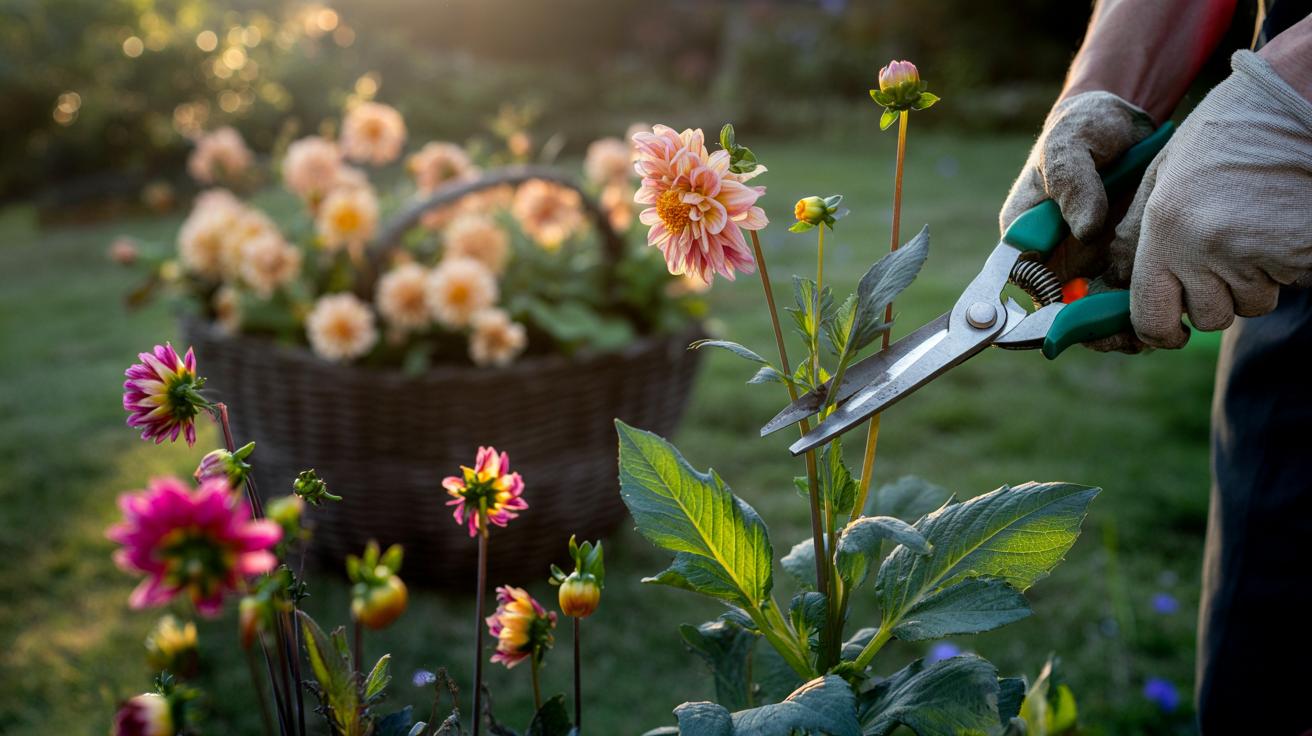
Go out with sharp secateurs or snips, plus a pocketful of string. Early morning is ideal. Plants are turgid, cuts are cleaner, and heat stress is low. Cut back to the first healthy leaf or strong lateral bud. For soft annuals such as cosmos or marigolds, pinch between finger and thumb. For roses and dahlias, make an angled cut just above an outward-facing leaf. Keep it swift. Two passes a week in peak season—one quick, one thorough—beats a monthly blitz.
Cleanliness counts. Wipe blades with alcohol when moving between plants, especially if you spot blackspot or botrytis. Drop spent blooms straight into a trug; don’t leave them to harbour slugs. If a plant looks tired, pair deadheading with a light feed of high-potash, low-nitrogen fertiliser and a deep drink. Stake floppy stems as you go. A tidy, supported plant invests better in bloom than one fighting its own architecture. The rhythm becomes meditative, and the border responds within days.
Which Plants Benefit Most
Almost everything that repeats benefits, but some stars show dramatic returns. Roses pump out new clusters if clusters are taken back to a full leaf. Dahlias need deep cuts—down to the next branching point—to avoid hollow stubs. Geraniums (pelargoniums), sweet peas, cosmos, petunias and tagetes all reward vigilant snipping. Ignore sweet peas for a week and pods form; blooms stop. Perennials like salvia and nepeta can be sheared lightly to trigger fresh flushes.
| Plant | How to Deadhead | Likely Gain |
|---|---|---|
| Roses | Cut to first 5-leaflet leaf facing out | Extra flush every 4–6 weeks |
| Dahlias | Remove to next strong lateral | Continuous bloom to frost |
| Sweet peas | Pick stems before pods form | Daily flowers, fragrance boost |
| Cosmos/Tagetes | Pinch or snip at node | Dense, bushy rebloom |
| Salvia/Nepeta | Shear by one-third post flush | Fresh spikes in 2–3 weeks |
For shrubs prized for hips or winter structure—rugosa roses, hydrangeas—be selective. Enjoy the show first. Then switch to deadheading after seed interest fades. In wildlife-friendly areas, leave a portion of seedheads for birds. Balance beauty with biodiversity by deadheading in zones, not everywhere at once. This keeps borders generous without stripping autumn’s natural larder.
Beyond Blooms: Health, Safety, and Sustainability
Regular deadheading is quiet plant healthcare. It improves airflow, dries foliage faster, and reduces grey mould on damp mornings. It also keeps weight off stems, preventing wind snap. Less disease pressure means fewer chemical interventions. You’ll water smarter, too, because plants dedicating resources to flowers, not seeds, manage stress more efficiently. In mixed beds, this gentle discipline keeps exuberant self-seeders—like nigella or calendula—from overrunning neighbours.
There’s a sustainability dividend. Spent blooms make excellent compost, adding soft nitrogen to your heap. Short, frequent sessions minimise waste and time, saving you the dreaded weekend hack-back. For safety, wear gloves around thorny or allergenic sap producers, and keep cuts clean and angled to shed rain. Most of all, enjoy the intimacy. Hands-on observation catches pests early and turns maintenance into mastery. The garden looks curated, but it’s also calmer, healthier, and more resilient.
In the end, weekly deadheading is an elegant lever: tiny cuts that shift the whole season’s performance. It’s affordable, low-tech, and surprisingly therapeutic. A ritual, not a race. The evidence is visible on every stem—more buds, tighter form, richer colour, longer shows. Miss a week and you’ll see the dip; keep the rhythm and the border sings. Which plants in your garden would benefit most from a steady deadheading habit, and how might you build a simple weekly circuit to make it stick?
Did you like it?4.5/5 (29)