In a nutshell
- 🌿 A doorstep herb border creates a natural scent barrier that confuses insect navigation by masking CO₂ and skin odour cues.
- 🧪 Herbs rich in essential oils and terpenes—like linalool (lavender), menthol (mint), and thymol (thyme)—repel midges, mosquitoes, and flies at close range.
- 🪴 Best picks: lavender, mint, rosemary, thyme, lemon balm, and catnip; plant densely on both sides of the door and brush leaves to refresh scent.
- ☀️ Placement and care: choose sunny, warm masonry; use free-draining compost, pot invasive mint, clip lightly, and water in the morning to maximise aroma.
- ♻️ Safer, greener living: reduce sprays, support pollinators, and practise integrated pest management while minding pet safety (avoid pennyroyal) and seasonal limits.
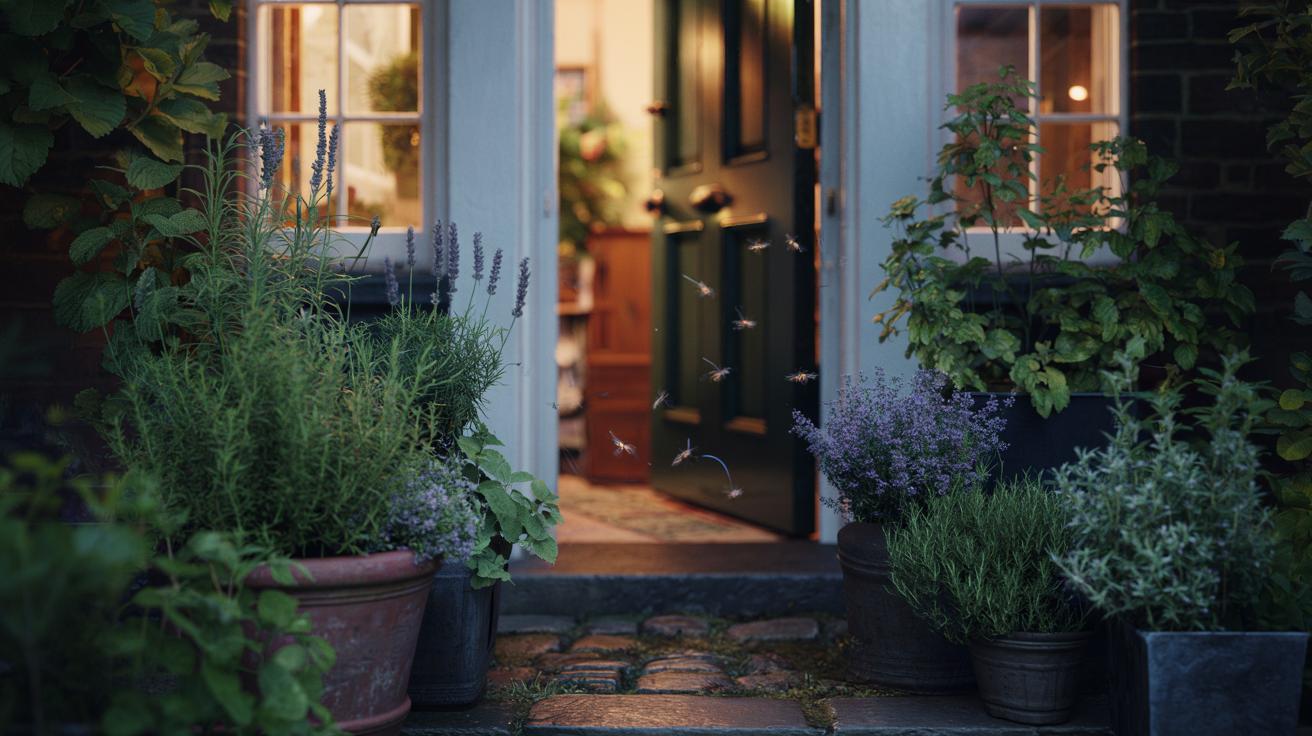
Plant a versatile defence at the very threshold of your home. A band of aromatic herbs by the door does more than look pretty; it disperses a cloud of natural chemicals that muddle insect navigation, hide human scent cues, and create a fragrant “no‑fly zone”. In the UK, where summer evenings invite both guests and gnats, a doorstep mini‑border can be the simplest, most stylish answer. By harnessing the living power of plants, you reduce reliance on aerosols and plug‑ins while gaining year‑round greenery. Pick the right mix, position it smartly, and you’ll notice fewer midges, mosquitoes, and houseflies loitering at your latch.
The Science Behind Herb Borders at the Door
Herbs defend themselves with potent essential oils rich in terpenes that insects find confusing or aversive. Lavender emits linalool, mint releases menthol, rosemary carries 1,8‑cineole, thyme is heavy on thymol, and catnip contains nepetalactone. These molecules can mask the human CO₂ and skin odour signals biting insects track, or they act directly on insect olfactory receptors, prompting a turn‑away response. Doorways help your cause: warm paving boosts volatilisation, and the regular in‑and‑out draught spreads a light, continuous plume.
Think of a doorstep herb strip as a living, perfumed barrier that nudges insects to veer off before crossing your threshold. Evidence from lab and field trials shows botanical repellents can work well at close range, though their strength fades with wind and time. That is why dense planting, periodic leaf brushing, and choosing oil‑rich varieties matter. The aim isn’t total eradication; it’s creating enough local scent pressure to make your entryway the least attractive option on the terrace.
Best Doorstep Herbs and What They Deter
Select species with robust aromas and generous oil glands. Classic choices include lavender for midges, mint for flies, rosemary and bay for wasps’ hesitancy, and thyme for general nuisance deterrence. In sheltered spots, lemon balm and potted citronella types add citrusy protection. Diversity amplifies the effect by layering different volatile compounds into one steady scent curtain.
| Herb | Key Compounds | Likely Repelled | Placement Notes |
|---|---|---|---|
| Lavender (Lavandula) | linalool, linalyl acetate | midges, mosquitoes | Full sun; trim after flowering to keep oils high |
| Mint (Mentha) | menthol, menthone | houseflies, ants | Pot only; invasive roots, partial sun tolerated |
| Rosemary (Salvia rosmarinus) | 1,8‑cineole, camphor | wasps, moths | Sunny doorstep; clip lightly to release scent |
| Thyme (Thymus spp.) | thymol, carvacrol | general nuisance insects | Edges and cracks; needs sharp drainage |
| Catnip (Nepeta) | nepetalactone | mosquitoes | Sun; may attract cats—protect young plants |
| Lemon Balm (Melissa) | citral, citronellal | mosquitoes | Part sun; pinch regularly to curb spread |
Combine two or three species on each side of the door for a symmetrical, high‑density “scent funnel”. In colder regions, use terracotta planters that warm quickly. Citronella grass struggles outdoors in much of the UK; lemon balm or scented geraniums provide a similar note. Crushing a leaf or two at dusk unlocks a short, potent burst when biting insects are most active.
Placement, Care, and Scent Maximisation
Place containers in a tight row or pair them to frame the threshold, guiding footfall between them. Sunlight and warm masonry raise the release of aromatic volatiles, so south‑ or west‑facing steps are ideal. Use free‑draining compost, add grit for thyme and lavender, and keep fertiliser modest; lean soils often mean stronger oils. Pot mint to prevent spread, and refresh top growth with light, frequent snips. Regular, gentle contact—brushing the leaves as you come and go—keeps fragrance active without stressing plants.
Water in the morning to avoid limp, oil‑poor foliage by evening. Deadhead lavender and nepeta to trigger new flushes of scented blooms. On still nights, position a chair or boot rack so fabric lightly grazes the plants, releasing a background haze. Pair the planting with simple measures—door brush strips, tidy compost caddies, fly screens—to cut attractants indoors. Consistency beats intensity: a steady veil of scent works better than occasional, overpowering wafts.
Safety, Sustainability, and Urban Realities
Doorstep herbs reduce the need for synthetic sprays, helping protect household air quality and urban biodiversity. Bees adore lavender, thyme, and rosemary; time major trims for after peak bloom, and leave some flowers standing. If pets roam, avoid pennyroyal (toxic) and site pots so cats cannot knock them into doorways; catnip is generally safe but may attract feline visitors. People with sensitive skin should handle crushed leaves sparingly. Natural does not mean risk‑free—treat concentrated oils with respect and keep them away from children.
Herbal deterrence is weather‑dependent and localised. Wind disperses the plume, heavy rain flattens scent, and winter aroma wanes, so plan for seasonal swaps and cold‑frame protection of tender pots. In shaded steps, choose robust options like mint and lemon balm, accepting a subtler effect. Slugs can chew seedlings; elevate containers and use copper tape rather than pellets. Think of herbs as part of integrated pest management: fewer invitations for insects, not a fortress.
Planting aromatic herbs by your doorstep is a small, elegant step that quickly pays off: fewer winged intruders, a more welcoming entrance, and a richer sensory experience each time you come home. By stacking scents, tending plants little and often, and pairing them with simple household habits, you create a sustainable buffer without harsh chemicals. The result is a living threshold that looks good, smells better, and quietly does the job. Which combination of lavender, mint, rosemary, and thyme will you try first—and how will you arrange them to suit your own doorway and daily routine?
Did you like it?4.6/5 (27)