In a nutshell
- 🌿 Dead leaves create moisture-rich, sheltered microclimates that attract pests; unmanaged mats become a pest hostel and disease bridge for seedlings.
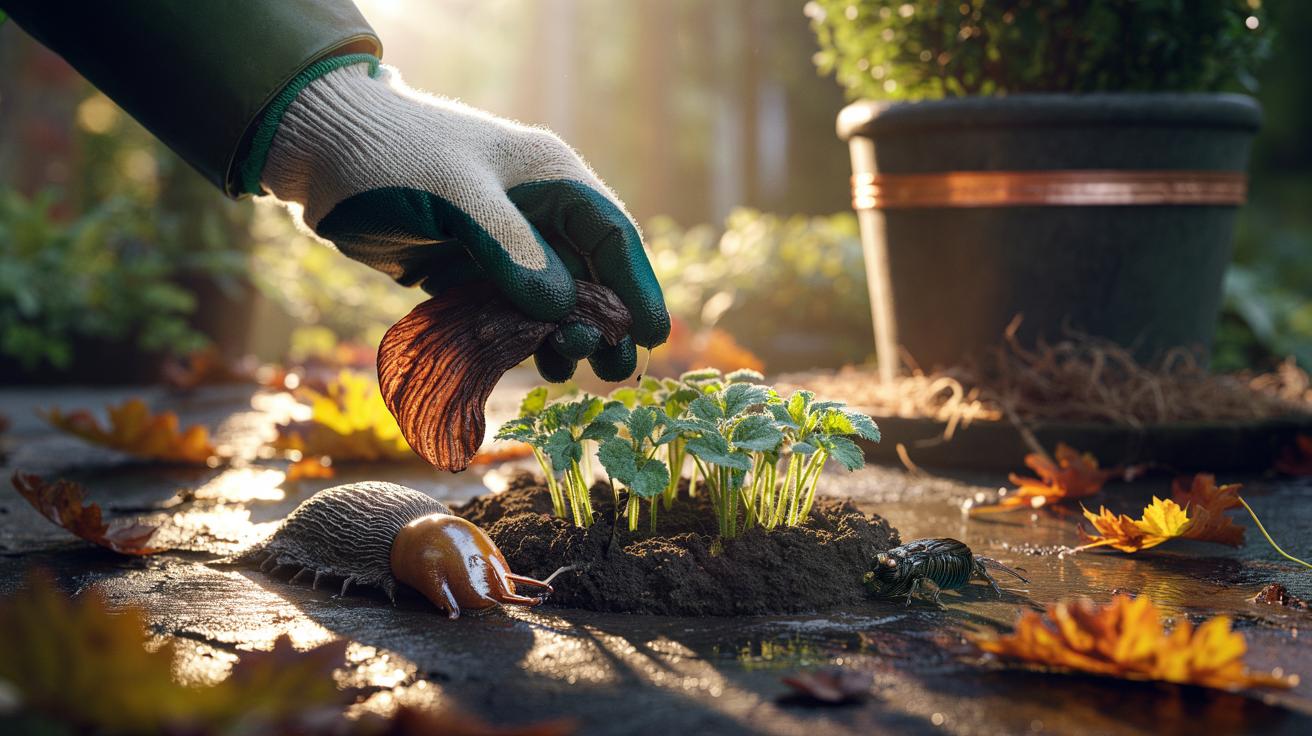
- 🐌 Key culprits include slugs and snails, vine weevil, and leatherjackets, while allies like ground beetles and centipedes also use the cover—management must protect predators.
- 🧱 Thickness and texture matter: shredded leaf mulch (2–3 cm) benefits soil, but whole-leaf layers form anaerobic pockets; keep a 5–10 cm clear collar around crowns and trunks.
- 🧰 Prevent issues by targeted tidying, mowing to shred leaves into leaf mould, and using hot composting (55–65°C) to speed decay and reduce pest carryover.
- 🔄 Deploy layered controls—copper tape, ferric phosphate, seasonal nematodes, morning watering, and breathable mulches—to cut refuges without harming garden biodiversity.
Autumn’s carpet of dead leaves looks picturesque, yet on beds and borders it can become a magnet for unwanted visitors. As leaves break down, they trap moisture, soften the soil surface, and create crevices that offer ideal shelter for night-feeding insects and soil-dwelling larvae. In UK gardens and allotments, that cosy microclimate can turbocharge populations of slugs, vine weevils, and leatherjackets, while also fostering fungal growth that weakens seedlings. Left unmanaged, leaf litter turns from free mulch into a pest hostel and disease bridge. The solution is not to strip your plot bare, but to understand the biology of leaf litter and manage it so it nurtures soil life without inviting an infestation.
The Ecology of Leaf Litter: Food, Shelter, and Moisture
Fallen leaves are predominantly carbon-rich, feeding fungi and bacteria that drive decomposition. As they knit together, they act like a damp blanket over the soil, stabilising temperature and conserving moisture. That same comfort invites pests. Slugs and snails exploit the cool underside; adult vine weevils hide by day around stems; leatherjackets move through the soft, shaded interface where roots are accessible. The mat also slows airflow, encouraging moulds that weaken seedlings and increase damping-off risk.
Another issue is the “bridge effect”. Whole, unshredded leaves spanning from ground to foliage let pests climb unseen onto lower leaves, fruits, and stems. Where lawns meet beds, wind-driven piles at edges create prime harbours. What begins as a natural mulch can, in thick layers, transform into a pest corridor and disease incubator. The key lies in depth, particle size, and timing: managed leaf cover supports soil life; unmanaged mats favour pest build-up.
Pests Commonly Drawn to Leaf Litter in UK Gardens
Slugs and snails are the headline culprits, using leaf mats as humid day shelters before feeding at night on new growth and seedlings. Adult vine weevils hide beneath leaves, laying eggs in nearby compost; the resulting grubs ring-bark roots of container plants and strawberries. In turf and vegetable patches, leatherjackets (crane fly larvae) thrive in moist, thatch-like litter, chewing grass and young brassicas. Woodlice, while mainly detritivores, can graze soft seedlings under persistent cover, and earwigs may nibble petals and fruit where leaves provide refuge.
Not every inhabitant is harmful. Ground beetles and centipedes, often present in the same shelter, prey on softer-bodied pests. Effective control means reducing refuge for pests while preserving habitat for natural enemies. That balance—removing dense, wet mats from crop zones and retaining structured cover elsewhere—keeps pressure down without stripping away beneficial biodiversity.
| Pest attracted by leaf litter | Typical signs | Quick intervention |
|---|---|---|
| Slugs/snails | Silver trails, shredded seedlings | Lift leaf mats, use copper barriers or ferric phosphate |
| Vine weevil | Notched leaves; grubs in pots | Clear refuges; apply nematodes in season |
| Leatherjackets | Thinning turf, wilting young plants | Reduce litter; targeted nematodes on moist soil |
| Woodlice/earwigs | Grazing on soft tissue, petal damage | Remove dense cover; trap and relocate |
From Mulch to Menace: When Leaf Layers Turn Problematic
Thickness and texture determine whether leaf cover benefits or harms your plot. A light mulch of shredded leaves (about 2–3 cm) breaks down evenly, boosting soil structure and feeding worms. By contrast, a heavy layer of whole leaves clumps, forming anaerobic pockets and persistent damp that supercharges slugs. It can also wick moisture onto stems, inviting rot in strawberries, hostas, and young perennials.
Position matters. Wind eddies deposit leaves into corners, around pot bases, and against timber edges—precisely where pests congregate unnoticed. Never pile leaves against trunks or crowns; keep a clear 5–10 cm collar around stems to prevent rot and pest bridges. Where you want weed suppression, blend leaves with woodchip or compost for a more open, breathable mulch that resists slumping while still protecting the soil.
Prevention Strategies: Clean Beds Without Losing Soil Health
Start with targeted tidying. Rake leaves from vegetable beds, seedling trays, and greenhouse thresholds, but allow some cover in wildlife-friendly corners or beneath hedges, where predators like hedgehogs and ground beetles forage. Shred collected leaves with a mower and either hot-compost them or stash in a mesh leaf-mould cage. Hot composting at 55–65°C speeds decay and reduces pest carryover. For containers, lift pots on feet and sweep away leaf build-up at the base to deny vine weevils refuge.
Use layered defences: copper tape on pots, wildlife-safe ferric phosphate pellets sparingly where pressure is high, and nematodes (Steinernema species) in season for slugs and vine weevils. Water in the morning so surfaces dry by night, and trim lower foliage to break pest bridges. Choose airy mulches—composted bark or well-rotted compost—over flat mats of whole leaves, and rotate these as the season shifts to keep shelters scarce where crops are vulnerable.
Handled well, autumn leaves become an asset rather than a liability. By converting them into leaf mould, blending them into breathable mulches, and removing dense mats from crop zones, you tip the balance towards healthy soil and fewer pest hideouts. Small habits—lifting pots, clearing corners, and setting simple barriers—cut damage without resorting to harsh chemicals. Think of leaf litter as raw material: shape it to serve your plants, not your pests. How will you rework the leaf fall in your garden this season to protect young growth while preserving the wildlife that helps keep pests in check?
Did you like it?4.6/5 (23)