In a nutshell
- ❄️ An ice cube down the back delivers a brief cold shock that can reset the hiccup reflex arc by stimulating the vagus and phrenic pathways.
- 🧠 The mechanism leverages sensory overload and elements of the autonomic nervous system and a nod to the diving reflex to interrupt diaphragm spasms.
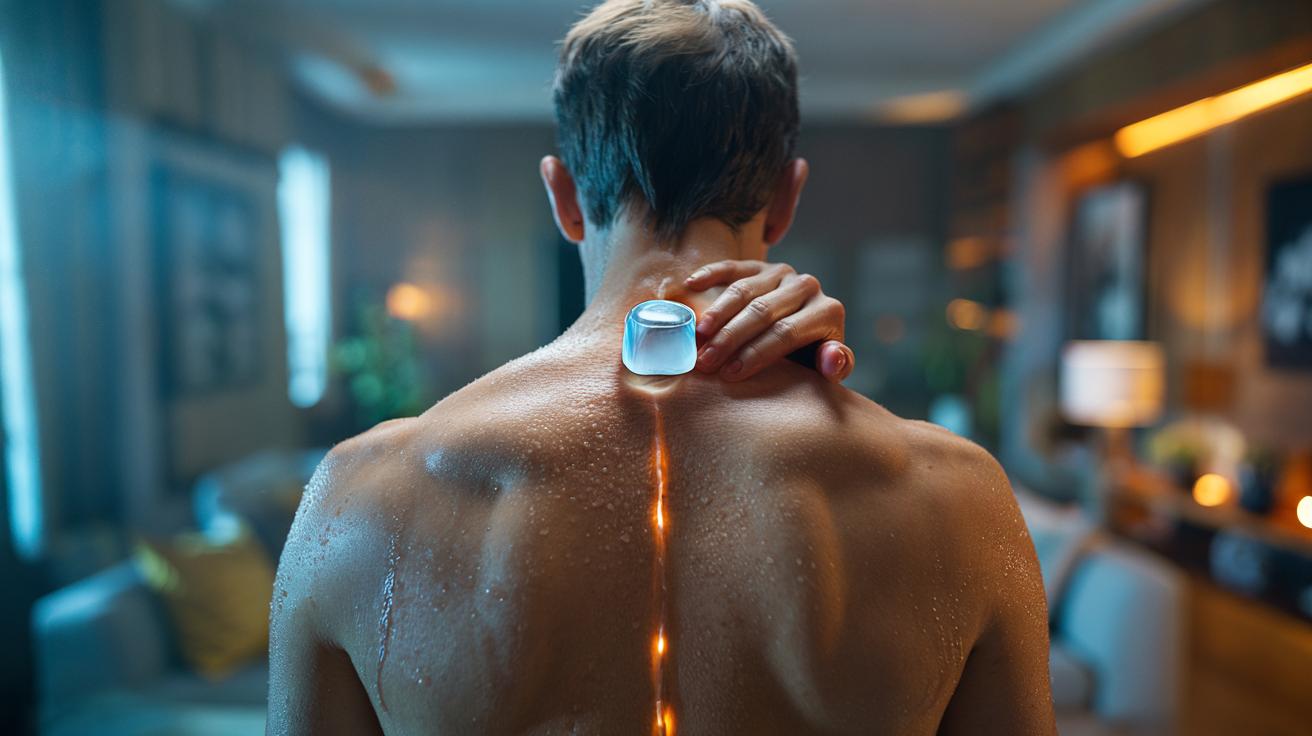
- 🧊 Step-by-step: apply a wrapped ice cube to the upper back for 10–15 seconds, then repeat once or twice; a short, intense stimulus works better than prolonged chilling.
- ⚠️ Safety: avoid in Raynaud’s, cold urticaria, or impaired sensation; don’t use on infants; see a GP if hiccups last over 48 hours or follow surgery/new medicines.
- 📊 Compared with sugar, ice water, or Valsalva, the ice trick is fast and non-ingested; evidence is mostly anecdotal but physiology-consistent, and persistent cases may need medical treatment.
It’s an age-old party trick with a strangely technical backbone: someone slides an ice cube down your back and—like a switch—your hiccups stop. In British kitchens and pub gardens alike, this chilly hack sparks debate. Is it placebo, shock value, or genuine neurophysiology? The answer lives in the wiring of the body. Hiccups are a reflex, and reflexes are ripe for interruption. A sudden cold jolt can stimulate nerves that talk to your diaphragm and throat, prompting a reset. It won’t cure underlying causes or substitute for medical care, but the method taps into a series of pathways that, in theory, can quiet the spasm at its source.
What Actually Causes Hiccups
Hiccups are brief, involuntary spasms of the diaphragm followed by a snap closure of the vocal cords, producing that unmistakable “hic.” The reflex arc involves the phrenic nerve (which drives the diaphragm), the vagus nerve (a major player in throat and chest sensation), and brainstem centres that coordinate breathing. Triggers range from carbonated drinks and rapid eating to alcohol, spicy foods, and abrupt temperature changes. Emotional stress also plays a role through the autonomic nervous system.
Because this reflex relies on a loop of sensory input and motor output, disrupting any point in the chain can halt the cycle. That is why remedies that stimulate the throat, nose, or chest—like sipping cold water, swallowing granulated sugar, or performing a gentle Valsalva—sometimes work. The key is delivering a strong, brief stimulus that outcompetes the hiccup signal. The ice cube gambit is simply a concentrated way to flood the system with novel cold input.
How Cold Shock Interrupts the Hiccup Reflex
A sudden cold press to the upper back sends a torrent of signals through skin receptors into spinal pathways and onward to brainstem nuclei. This sensory surge can activate vagal pathways and even flirt with the body’s diving reflex, a primal response that slows the heart and shifts breathing patterns when the face encounters cold. While an ice cube on the back doesn’t fully trigger the dive reflex, the core idea holds: a brief, intense cold stimulus may interrupt the reflex circuitry driving the hiccup.
There’s a second angle. Cold shock can momentarily recalibrate the balance between the sympathetic and parasympathetic branches of the autonomic nervous system. When that balance shifts, the timing of diaphragm and glottis activity can reset. Think of it as a control-alt-delete for the hiccup reflex arc. Not every case responds—individual sensitivity varies, and persistent hiccups often have medical causes—but the physiological rationale for a rapid “reset” is credible, which explains why the method circulates from family lore to ambulance crews’ toolkits.
The Ice Cube Down the Back Method, Step by Step
First, prepare the cold. Wrap a single ice cube in thin cloth or use a small reusable ice pack; direct ice can irritate skin. Stand or sit upright and expose the upper back between the shoulder blades. Apply the cold firmly for 10–15 seconds, sliding it downward a few centimetres for a dynamic stimulus. If the hiccups persist, repeat once or twice with short pauses. Strong, brief stimulation beats prolonged chilling. Many people feel a gasp or shiver; that’s the point—the system is being jolted.
Safety matters. Avoid this tactic for infants, anyone with Raynaud’s phenomenon, cold urticaria, or impaired skin sensation. Do not rub ice directly on fragile skin, and stop if there’s pain or numbness. If hiccups last longer than 48 hours, recur frequently, or follow surgery, new medication, or head/neck injury, speak to a GP. The goal is a harmless reset, not a test of endurance. If you’re alone, a cold splash across the upper back or neck under a shower can deliver a similar stimulus.
How It Compares With Other Home Remedies
Plenty of tricks aim to hijack the same circuitry. Swallowing a teaspoon of sugar stimulates the oropharynx; sipping ice water floods cold receptors; breath-holding and Valsalva manoeuvres manipulate chest pressure and vagal tone; the peanut-butter “sticky swallow” prolongs a complex swallow to disrupt the rhythm. The ice cube stands out for speed and intensity: it’s over in seconds and doesn’t require swallowing, which helps if nausea or reflux is in the mix.
Here is a quick comparison of common approaches, their hypothesised mechanisms, and cautions.
| Remedy | Likely Mechanism | Evidence Snapshot | Caution |
|---|---|---|---|
| Ice cube on back | Cold shock resets vagal/brainstem reflex | Mainly anecdotal, physiology-consistent | Avoid in cold sensitivity; limit exposure |
| Ice water sips | Oropharyngeal cold stimulation | Commonly reported benefit | Choking risk if gulped |
| Valsalva/breath-hold | Vagal tone increase; chest pressure shift | Widespread use, limited trials for hiccups | Not for heart disease without advice |
| Sugar or honey | Swallow reflex engagement | Traditional support | Not for infants (honey), diabetes caution |
| Peanut butter | Prolonged complex swallow | Anecdotal | Allergy; aspiration risk |
Cold-based resets like the ice cube trick appeal because they are fast, tactile, and require no preparation. For occasional hiccups, low-risk, short, sharp stimuli are reasonable. When symptoms are persistent or severe, medication (such as baclofen, metoclopramide, or gabapentin) or targeted nerve interventions may be considered by clinicians after assessing causes like reflux, infection, or metabolic disturbance. The key is matching the remedy to the situation, and recognising when a simple reset is not enough.
From rugby sidelines to kitchen sinks, the ice cube method endures partly because it fits the science of reflex interruption and partly because it feels decisive. A carefully delivered cold shock can nudge the vagus nerve, interrupt the spasm, and get you back to breathing quietly. It’s a quick fix, not a cure-all, and medical advice is warranted when hiccups drag on or bring other symptoms. Next time a bout starts, will you choose a cold reset, a careful swallow, or a breath-hold—and which one works fastest for you?
Did you like it?4.5/5 (24)