In a nutshell
- 🔥 Heat softens adhesive: A hot spoon lowers glue viscosity near its glass transition (Tg), weakening cohesion and adhesion at the interface via focused conduction for cleaner peels.
- 🥄 Step-by-step: Heat and dry the spoon, warm the label in circles, lift a corner with a card, then warm ahead of the peel line—repeat short passes for a smooth, residue-free removal.
- 🧩 Best surfaces and glues: Works brilliantly on glass, ceramic, stainless steel; be cautious with plastics and varnished wood. Adhesives like acrylic, rubber-based, and hot-melt soften within modest temperature ranges.
- 🛡️ Safety first: Keep heat moderate, ventilate if odours arise, avoid ports and batteries on electronics, and test delicate finishes—controlled heat prevents warping or imprinting.
- ♻️ Alternatives and eco gains: Use a low hairdryer setting, warm soaks with washing-up liquid and bicarb, or a touch of cooking oil/isopropyl for residue—cutting harsh solvents and supporting reuse.
Few household frustrations rival the stubborn sticker that refuses to budge from a jar, gadget or frame. A simple, almost alchemical fix exists: a hot spoon. Warmth softens the adhesive so the label glides off in one satisfying pull, saving time and surfaces. Heat loosens the bond instead of scraping it away, lowering the risk of scratches and residue. This technique relies on thermal softening, exploiting the way many glues lose grip when warmed above a threshold. With care, it’s tidy, cheap, and surprisingly precise, lending itself to reuse projects from pantry storage to craft upcycling—particularly welcome in UK homes where jars, tins and bottles are given second lives.
Why Heat Loosens Adhesives
Most pressure-sensitive glues are polymer blends designed for sticky strength at room temperature. Warm them and the long chains slip more freely, their viscosity drops, and tack wanes. This shift often occurs around a material’s glass transition temperature (Tg) when rigidity gives way to rubbery mobility. A spoon transfers heat by conduction, localising warmth at the sticker–surface interface, where it matters most. The goal is to relax both cohesion within the adhesive and adhesion to the surface so the label releases cleanly. Aim to warm the label and glue, not the entire object.
Unlike blasting with a hairdryer, the spoon’s curved metal concentrates energy, letting you chase stubborn corners without overheating surrounding areas. Brief contact—often 5–15 seconds—softens the glue; repeat passes extend the effect. Importantly, heating encourages the glue to stay with the label rather than smearing across glass or steel. Softening shifts failure from the surface interface to the label itself, making lifts smoother. On porous surfaces, a bit more patience is needed because heat dissipates faster into the material.
The Hot Spoon Method, Step by Step
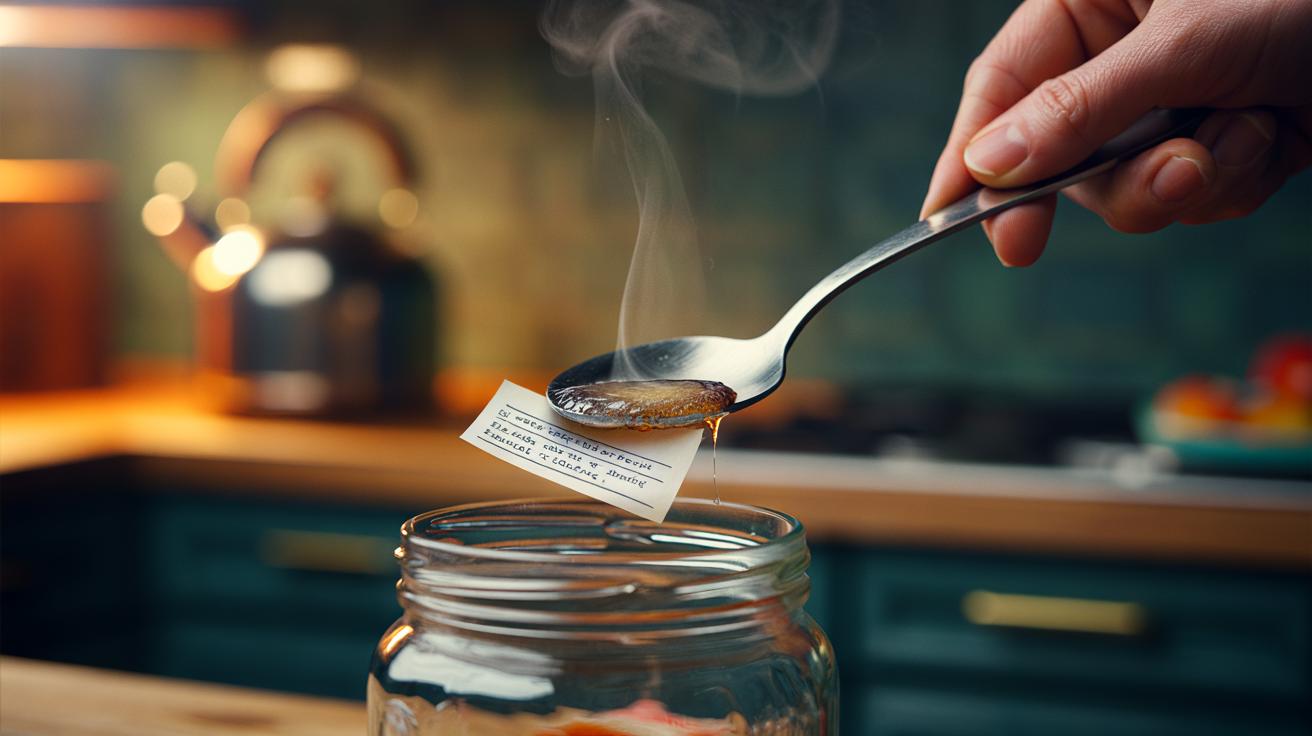
Begin with a clean metal spoon. Heat it in just-boiled water or under steaming kettle spout for 10–20 seconds; dry it thoroughly to avoid drips that cool the metal. Press the back of the spoon onto the sticker, moving in slow circles to distribute warmth. After the first pass, use a fingernail or plastic card to lift a corner. Reheat the spoon and glide it just ahead of the peel line, keeping the glue soft while you pull. Work patiently and keep the spoon moving to avoid hot spots.
For glass jars or phone cases, cycle heat and lift until the label releases. If residue remains, a final warm pass followed by a wipe with washing-up liquid or a drop of cooking oil usually clears it. For electronics, power down first and avoid ports. On painted or varnished finishes, test an inconspicuous spot. Never heat near flammables, and wear light gloves if the object retains warmth. The method is quick, controllable, and often cleaner than solvents.
What Surfaces and Stickers Respond Best
Dense, non-porous surfaces—glass, ceramic, enamel, stainless steel—respond brilliantly because they tolerate modest heat and don’t absorb glue. Powder-coated metal typically fares well too. Plastics are a mixed bag: many soften or warp beyond 60–80°C, so keep spoon contact brief. Varnished wood or lacquer can imprint if overheated, so test first. Paper labels on jars release quickly; durable vinyl badges and security stickers need longer, rolling heat. When in doubt, use shorter, repeated touches instead of a long press.
| Adhesive Type | Softening Range (°C) | Common Labels | Notes |
|---|---|---|---|
| Acrylic | 45–70 | Retail price tags, clear films | Good clarity; softens predictably with heat |
| Rubber-based | 35–60 | Jar labels, packing stickers | Releases easily; may leave oily residue |
| Hot-melt | 55–85 | Shipping labels, courier tapes | Needs repeated passes; peels in strips |
Thin paper labels often lift in a single warm sweep, while laminated or UV-coated labels benefit from pre-scoring the top film with a blunt edge to let heat reach the glue. On textured plastics, heat helps but can’t fix poor adhesion mechanics; expect some residue. If you can slide a card beneath an edge after warming, the job is already half done. Keep a soft cloth handy to wipe softened adhesive before it cools and retacks.
Safety, Smell, and Sustainability
Good practice prevents mishaps. Keep the spoon’s handle cool by heating only the bowl, and rest it on a saucer between passes. Ventilate if you notice odours: a faint smell is normal as plasticisers mobilise, but strong fumes are a cue to stop. Do not overheat: you need mild softening, not scorching. For children’s items, limit heat exposure and clean thoroughly afterwards. Electronics merit extra caution; avoid prolonged warmth near batteries or adhesives anchoring display assemblies.
There’s an environmental upside. Reusing jars and tins reduces packaging waste, and the hot spoon trick avoids harsh solvents that can irritate skin or drain into waterways. Most labels and softened glue peel away as a single piece, ready for the bin, while the container gets a second life. Small interventions—heat and patience—can replace disposable wipes and aerosol removers. The method is frugal, quiet, and reliably tidy, aligning with a repair-and-reuse mindset that’s gaining ground across British households.
Alternatives and Troubleshooting
If the spoon isn’t practical, a low setting on a hairdryer warms a wider area; shield adjacent finishes with a tea towel. Warm water soaks help on glass: add a teaspoon of bicarbonate of soda and a splash of washing-up liquid, then lift the label after fifteen minutes. For gummy residue, rub gently with cooking oil or a drop of isopropyl alcohol on a cloth. Always test solvents on a hidden spot. For ultra-stubborn courier labels, alternate warming and slow pulls in short bursts rather than yanking.
If paper shreds, it’s usually because the top layer lifts before the glue softens. Score the surface lightly, reheat, and peel in shallow angles to reduce tear-out. On cold days, pre-warm the room-temperature item to stop heat sinking away too quickly. For plastics near their softening point, shorten contact and increase the number of passes. Patience beats force: let physics do the work while you guide the peel. A clean finish typically follows the second or third cycle.
With a kettle, a spoon and a steady hand, you can turn sticker removal from a chore into a small domestic victory. The science is simple: heat reduces tack, and controlled contact focuses that effect right where glue meets surface. Master the rhythm—warm, lift, re-warm—and labels almost volunteer to leave. In a world crowded with chemical removers, it’s refreshing that metal and hot water often suffice. Which jars, gadgets or heirloom surfaces are you planning to rescue next, and what surfaces do you think will challenge the hot spoon most?
Did you like it?4.4/5 (22)