In a nutshell
- ❄️ Aloe vera gel cools minor burns fast through evaporative relief and polysaccharides (acemannan) that form a breathable, hydrating film, supported by antioxidants (vitamins C and E).
- 🩺 Use a safe application routine: cool running water for up to 20 minutes, pat dry, apply a thin layer of fragrance-free gel, reapply lightly, and cover with a non-stick sterile pad if needed.
- 🚫 Avoid mistakes: no ice, butter, toothpaste, or popping blisters; store gel in the fridge for extra soothing and discontinue if stinging or rash appears.
- 🧴 Choose quality gel: seek Aloe barbadensis leaf juice near the top of the ingredients, alcohol-free, minimal additives, decolourised/filtered, and packaged in airless pumps or tubes.
- ⚠️ Know limits and red flags: suitable for first-degree and small superficial partial-thickness burns; get urgent help for large/deep areas, face/hands/genitals, chemical/electrical injuries, or signs of infection.
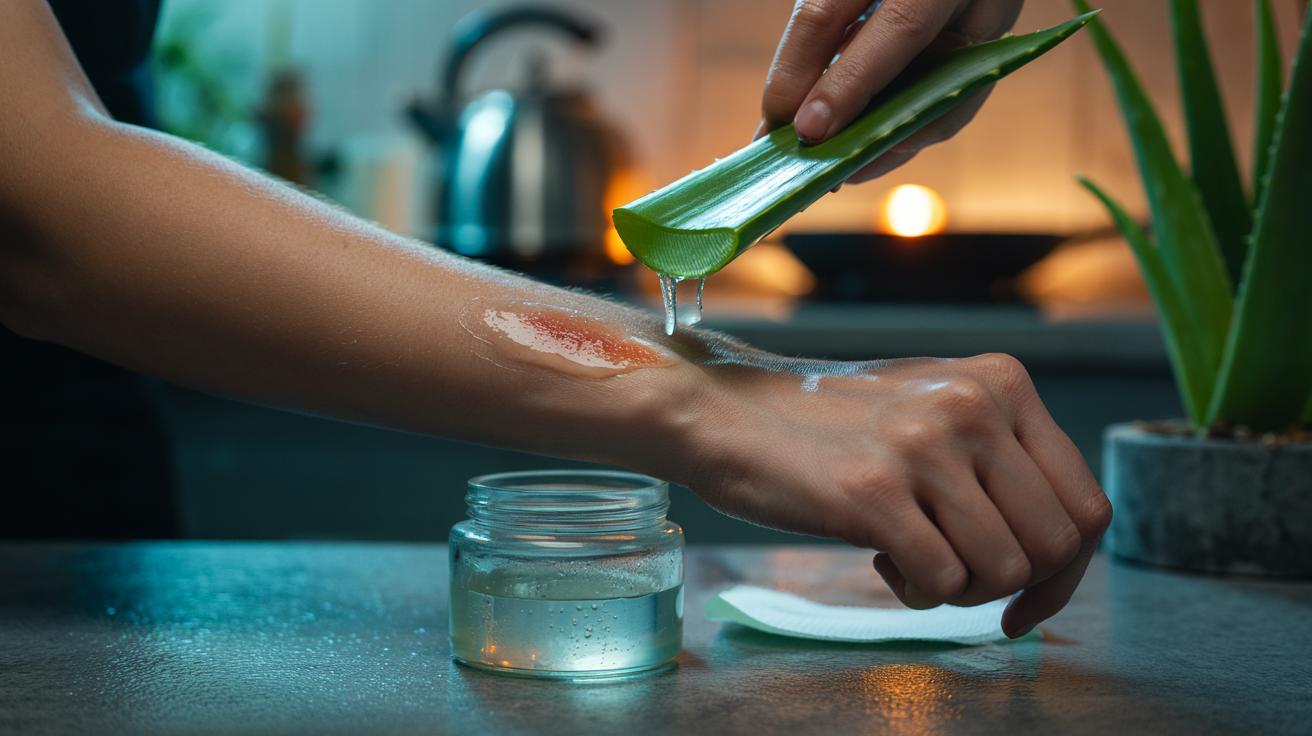
The humble houseplant has a serious first-aid secret. When accidents in the kitchen or garden leave you with a sting and reddening, aloe vera gel is frequently the go-to remedy. Its appeal lies in fast, cooling relief and a light, breathable film that supports skin recovery after minor burns and sun exposure. Scientists point to the plant’s water-rich pulp and protective sugars as reasons for its soothing touch. In UK homes, where boiling kettles, roasting trays and hair stylers are everyday kit, understanding the right way to use aloe matters. Used correctly, aloe vera can comfort the skin swiftly while helping to limit dryness and tightness, turning a painful mishap into a manageable, short-lived annoyance.
Why Aloe Vera Cools and Calms Burned Skin
Aloe vera gel is about 99% water, yet it is not just a splash of moisture. The gel is structured by polysaccharides such as acemannan, which create a sheer, breathable film. That film locks in hydration, reduces transepidermal water loss, and diminishes the sensation of tight, hot skin. The water content contributes to an instant, evaporative chill, while plant sterols and trace salicylic-like compounds help curb the overactive signalling that drives redness. Add antioxidants including vitamin C and vitamin E, and you have a lightweight dressing that tempers irritation without smothering the area. The result is a quick sense of relief that feels tangible rather than merely psychological.
| Component | Action | What It Means for Relief |
|---|---|---|
| Water | Evaporative cooling | Immediate soothing of heat sensation |
| Polysaccharides (e.g., acemannan) | Light film formation, hydration support | Less tightness and dryness on the burn |
| Phytosterols and salicylic-like compounds | Calm irritation pathways | Reduced redness and discomfort |
| Vitamins C and E | Antioxidant support | Helps mitigate oxidative stress post-injury |
These mechanisms align with what you feel: a cool glide, then a soft, flexible protective layer. The gel’s non-occlusive nature is crucial; it shields without sealing in heat. Note that most over-the-counter gels are decolourised and purified, minimising anthraquinones like aloin that can irritate sensitive skin. Cooling is fast, but healing still requires time and gentle care, so treat aloe as part of a broader first-aid routine rather than a cure-all.
Step-by-Step Guide to Safe Application on Minor Burns
First, act quickly: run cool (not cold) water over the burn for up to 20 minutes to take the heat out. Pat the area dry with a clean cloth. Apply a thin layer of a high-quality, fragrance-free aloe vera gel and let it absorb; resist rubbing. Reapply every few hours as needed, keeping the layer light so the skin can breathe. If you require a dressing, choose a non-stick, sterile pad and secure it loosely. Never use ice or butter, which can aggravate the tissue. Avoid breaking blisters; intact blisters are your body’s natural dressing against infection.
Enhance the cooling effect by storing your gel in the fridge. If sting or rash develops, rinse away and discontinue use. For discomfort, standard oral analgesics like paracetamol may help; follow the pack instructions or a pharmacist’s advice. Keep the area clean, dry, and out of the sun. Do not apply aloe to deep, charred, or extensively blistered skin. A small patch test on adjacent healthy skin is sensible if you have a history of sensitivities or allergies to plant extracts.
What to Look for When Choosing a Quality Gel
Check the ingredient list: “Aloe barbadensis leaf juice” should appear at or near the top. Products labelled “99% aloe” often count water in the percentage; prioritise gels that are alcohol-free, low in fragrance, and free from unnecessary colourants. Decolourised, charcoal-filtered aloe typically reduces harsh anthraquinones while keeping beneficial polysaccharides. Third-party marks such as the International Aloe Science Council (IASC) seal can indicate consistency in quality, though they are not a guarantee of efficacy. Packaging matters too: airless pumps or tubes help preserve freshness better than wide-mouth jars.
Examine shelf life and storage notes; aloe is perishable and fares best in a cool, dark place. Some formulas add humectants like glycerin, which can be helpful, but avoid heavy occlusives immediately after a burn, as they may trap heat. Be cautious with lidocaine- or benzocaine-spiked gels if you have sensitivities to topical anaesthetics. When in doubt, keep it simple: minimal additives, clear labelling, and a clean texture that spreads easily without stickiness or strong perfume.
When Aloe Vera Is Not Enough: Warning Signs and Safety
Aloe vera belongs in the toolkit for first-degree burns and very small superficial partial-thickness burns. Seek urgent medical help if the burn is larger than the size of your palm, deep or white/charred, involves the face, hands, feet, genitals, or a major joint, or is caused by electricity or chemicals. Watch for infection: growing redness, swelling, pus, a bad smell, fever, or pain that worsens after initial improvement. People who are very young, older, pregnant, or living with conditions like diabetes should be extra cautious. If you’re unsure whether a burn is minor, treat it as serious until a clinician says otherwise.
Common pitfalls are surprisingly persistent. Avoid toothpaste, butter, oil, or egg white—none cool effectively and some invite contamination. Skip tight adhesives over fragile skin. Don’t burst blisters. Protect healing skin from sun with high-SPF sunscreen once intact, and wear loose fabrics that won’t chafe. Hydrate well and prioritise gentle cleansing. If a product stings, stop and rinse. Aloe is a comfort, not a licence to under-treat: pair it with proper cooling, cleanliness, and timely professional assessment when red flags appear.
Aloe vera gel earns its place in the British first-aid cupboard by blending instant cooling with a light, protective veil that helps the skin feel calmer after small mishaps. The science is simple enough to trust: water draws heat away; plant polymers support hydration; antioxidants steady stressed tissue. Choose a clean formula, apply it with care, and respect the limits—knowing when extra help is needed is part of good judgement. As our homes bristle with hot plates, curling tongs and outdoor grills, what’s your personal strategy for making sure minor burns are treated quickly, safely, and with confidence?
Did you like it?4.5/5 (21)