In a nutshell
- 🧼 Why it works: Shaving foam’s mild surfactants and near-pH-neutral lather lift stains from carpet fibres with minimal residue, making it effective on protein-based spills and light oils without risking colour shift.
- 🧪 Application steps: Vacuum, patch-test, use plain white foam, apply to a cloth, and blot—don’t scrub. Allow 3–5 minutes for tannins (tea/coffee) or 8–10 for grease, then rinse with cool water or a 50:50 water–vinegar mix and groom the pile before drying.
- ⚖️ Comparison: Foam costs about £1–£2 versus £4–£12 for many cleaners, leaves less sticky residue, and is a safe first response; commercial agents still win for ink, paint, or set-in dyes.
- 🚫 Caveats: Avoid dyed/menthol foams; be cautious on wool, viscose, and sisal; don’t soak the underlay; pet urine may need enzymatic treatment; stop if dye transfers and consider an NCCA-certified pro.
- 🏠 Practical payoff: Affordable, low-odour, and forgiving, shaving foam solves everyday spills while reducing re-soiling risk when properly rinsed—making it a smart, pro-approved staple for UK homes.
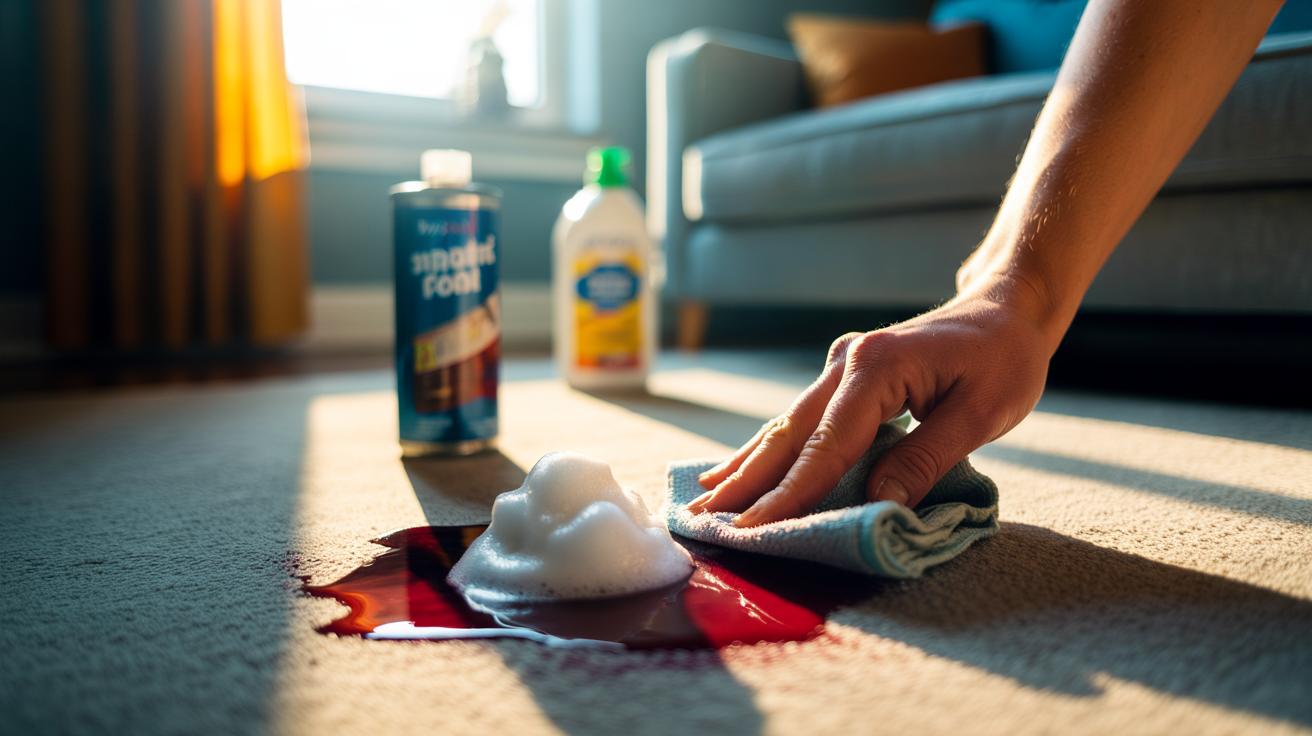
It sounds like a pub rumour, yet cleaners across the UK are quietly admitting a simple truth: shaving foam can outclass many store-bought carpet cleaners. The trick lies in its mild formula and dense lather, which lifts grime without the harshness that weakens fibres. From hallway runners smudged with muddy footprints to living-room rugs stained with wine, crews say the foamy standby offers reliable results, minimal residue, and a gentler smell. Used correctly, it’s cheap, quick, and surprisingly safe for most modern carpets. As cost-of-living pressures pinch, this barbershop staple is stepping in as a smart household ally—one that pros have been using on the quiet for years.
Why Shaving Foam Works on Carpet Stains
Most everyday shaving foams contain mild surfactants and air-rich lather that push into the carpet pile, loosening soil and suspending it for blotting. Unlike some aggressive spot removers, many foams are pH‑neutral or near-neutral, which helps protect carpet fibres and avoids colour shift. The bubbles create lift without abrasion, ideal for protein-based stains such as milk, food, or pet accidents, and for light oils like makeup or skin sebum. The foam’s cushion lets you work the area without grinding grit deeper. That gentleness is why cleaners lean on it between deep cleans.
There’s also a practical edge: most foams rinse out more easily than sticky gels, leaving less residue to attract future dirt. Where solvent-heavy cleaners can leave odour and risk dye bleed, foam’s water-loving formula keeps things balanced. For fresh stains, speed matters; the foam slows drying, giving you time to lift pigments and oils safely. Minimal chemistry, maximum control—that’s the quietly powerful appeal.
How Professional Cleaners Apply the Foam Step by Step
Preparation determines success. Vacuum the area to remove gritty particles that could scratch. Always test on an inconspicuous spot for colourfastness and fibre response. Choose a plain, white shaving foam—no dyes, menthol, or gel formats. Shake the can lightly; dispense a golf‑ball amount onto a clean, white microfibre cloth rather than straight on the carpet, so you control distribution. Less is more, because over-wetting drives soils downward.
Work the foam into the stain with light, circular motions from the outside in. Blot—don’t scrub—so you lift, not smear. For red wine, coffee, or tea, let the foam dwell for 3–5 minutes to loosen tannins. For greasy marks, extend to 8–10 minutes. Keep the spot slightly damp and foamy; if it dries, reapply a small amount. Then blot with a fresh cloth, rotating to clean sections so you can see progress.
Finish with a rinse: spritz cool water or lightly dab with a 50:50 mix of water and white vinegar, then blot again to remove residues. Groom the pile with a spoon edge and allow to dry fully before traffic. Place kitchen towel and a weight on the spot for 30 minutes to wick out remaining moisture.
Comparing Foam to Commercial Spot Cleaners
Retail spot removers promise targeted chemistry, yet they often come with perfumes, optical brighteners, or aggressive solvents that risk fibre damage or resoiling. Shaving foam is inexpensive, easy to rinse, and forgiving for novices. Cleaners I spoke to say they keep both options on the van: specialty agents for ink, paint, or heavy dye transfer, and foam for most day-to-day spills. On synthetic carpets—especially polypropylene—foam is a dependable first response that rarely makes matters worse. The trade-off is dwell time and patience, which the foam repays with fewer odours and safer handling.
| Feature | Shaving Foam | Commercial Cleaner |
|---|---|---|
| Typical Cost (UK) | £1–£2 per can | £4–£12 per bottle |
| Best For | Food, dairy, light oils, fresh spills | Ink, paint, set-in dye, rust |
| Residue Risk | Low if rinsed | Medium; can attract soil |
| pH | Near neutral | Varies; can be alkaline/acidic |
| Odour | Mild, dissipates quickly | Often perfumed or solventy |
| Ease of Use | Very easy, forgiving | Requires label-specific care |
What the table misses is peace of mind: foam rarely triggers rapid re-soiling when properly rinsed. Many proprietary cleaners leave unseen stickiness, making traffic lanes grey again within days. Foam’s biggest limitation is with old, oxidised stains or colour loss where pigment is gone; no chemistry restores missing dye. Start with foam, escalate only when needed—that’s the pro playbook that saves fibres and money.
Caveats, Chemistry, and When Not to Use Foam
There are sensible limits. Avoid dyed or menthol foams that can perfume or tingle skin and complicate rinsing. On wool or rich natural fibres, choose a wool-safe, pH‑neutral product and be conservative with moisture. Delicate hand-knotted rugs, viscose, and sisal can distort or water-spot; foam is not a cure-all. Pet urine may require enzymatic action to digest residues that foam only loosens. If you see colour on your cloth, stop and reassess: you may be lifting dye, not dirt.
Technique matters as much as chemistry. Never soak the underlay—pad saturation breeds odour and browning. Use white cloths to monitor transfer, and prevent cross-contamination by swapping them frequently. In high-traffic lanes with embedded soil, pre-vacuum thoroughly, then consider a rinse-extraction machine after foaming to pull contaminants deep in the pile. Residual stickiness invites grime, so that final rinse and blot are non-negotiable. For persistent stains or valuable textiles, call a NCCA-certified technician and document what you’ve already tried.
For a tool you can nab at the chemist, shaving foam punches far above its weight: affordable, gentle, and oddly effective on the stains that plague everyday carpets. Cleaners value it because it buys time, keeps fibres safe, and leaves fewer surprises later. With smart testing, light touch, and a proper rinse, you can solve most spills before they set. The next time a glass tips or a pet misbehaves, will you reach for a perfumed bottle—or trust the quiet classic waiting by the bathroom sink?
Did you like it?4.6/5 (24)