In a nutshell
- 📚 A dryer sheet can gently temper musty odours in books through light diffusion and airflow, but it’s not a treatment for active mould.
- 🛡️ Prioritise preservation: no direct contact with pages or bindings, place the sheet in an acid-free pouch, and maintain stable relative humidity (around 45–55%).
- 🧭 Follow careful methods: open-shelf airing, a ventilated box setup with bicarbonate of soda nearby, or a brief bag prime—then air—while you rotate the book.
- 🌸 Choose subtle products: opt for lightly scented or fragrance-free sheets, avoid dyes, and add an archival paper barrier to limit residue transfer.
- 🧪 Consider removers, not maskers: activated charcoal, zeolite, and microchamber papers adsorb volatiles, aiming for a neutral, readable book.
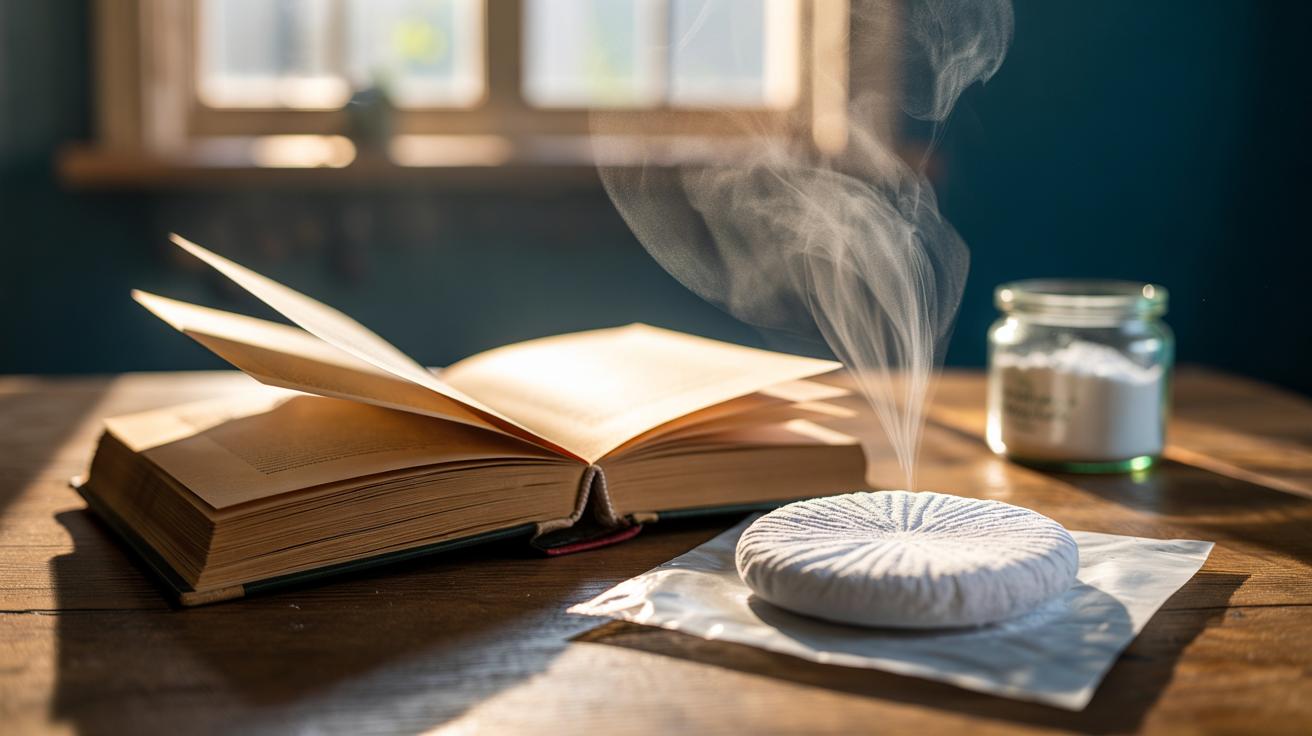
Second-hand paperbacks and heirloom hardbacks often carry a stubborn, cellar-like tang that distracts from the pleasure of reading. A simple, low-tech trick—placing a dryer sheet near the book—offers a surprisingly effective way to ease that odour without wet treatments or harsh chemicals. The scent compounds in a sheet circulate gently, softening the musty smell while air exchange does the rest. The aim is not to flood pages with perfume, but to let a light fragrance work slowly and safely. Below, we examine why must develops, how scent molecules interact with paper, and the most careful methods to freshen volumes without risking stains or damage.
How Dryer Sheets Tackle Musty Odours
The stale aroma in old books is usually caused by a mix of lignin breakdown, past humidity, and the faint imprint of mildew long since dormant. These processes release small volatile compounds that cling to paper fibres. A dryer sheet’s fragrance molecules move in the air and mingle with those volatiles, creating a gentler scent profile while time and ventilation reduce the underlying load. Think of it as a soft veil that tempers unpleasant notes while airflow carries them away. Because most sheets also contain anti-static agents, they help keep dust from resettling during the airing period.
Critically, this is an odour management technique, not a cure for active mould. The method relies on off-gassing and gradual dilution, not chemical neutralisation. Place the sheet near the book to encourage diffusion rather than direct transfer of oils. Gentle scenting over days is safer than quick, intense exposure. Combining the sheet with dry, clean air and space between pages works better than sealing everything tight, which traps stale compounds and slows escape.
Safe Handling for Fragile Volumes
Antique bindings and coated papers can be sensitive to additives. Modern dryer sheets may carry fragrance oils or softeners that could mark delicate surfaces. Never place a dryer sheet directly against inked pages or leather. Instead, create separation: use a clean, acid-free envelope or an open paper pouch to hold the sheet, then keep it adjacent to the book. Aim for stable conditions around 45–55% relative humidity, away from strong heat or sunlight. Check that colours are stable by lightly dabbing an inconspicuous page with a dry cotton swab before any odour work.
If there is any sign of active mould—smearing, fuzz, or a damp smell—pause the scenting plan and isolate the item. Odour masking must never substitute for proper drying and cleaning. For valuable items, a professional book conservator can advise on safe drying, HEPA vacuuming of spores, and buffering papers. Where possible, prioritise ventilation and time before scent; a light fragrance should be the punctuation, not the paragraph.
Step-By-Step Methods That Respect the Book
Start with a gentle airing. Stand the book upright, slightly fanned, on a clean shelf. Place a dryer sheet in a perforated envelope 10–20 cm away. Allow fresh air to pass through the pages for a day or two, checking progress gradually. For stronger odours, move to a ventilated container method: a clean plastic box with several small holes. Position the book on a rack, the sheet in a paper sachet beneath, and a separate open jar of bicarbonate of soda to adsorb volatiles—never touching the book.
Rotate the book every 12 hours to present new surfaces to the airflow. Avoid sealed bags unless briefly “priming” scent for a few hours; then return to open air to avoid trapping moisture. Below is a quick reference for common setups:
| Method | Sheet Placement | Contact with Pages? | Typical Duration | Notes |
|---|---|---|---|---|
| Open Shelf Airing | In paper pouch, nearby | No | 24–72 hours | Lowest risk; repeatable |
| Ventilated Box | Below book, separate level | No | 1–3 days | Add baking soda jar (separate) |
| Short Bag Prime | Pouch at spine end | No | 2–6 hours | Follow with open airing |
If in doubt, use less scent and more time. Progress should be incremental, with the book smelling clean rather than perfumed.
Choosing the Right Sheet and Sensible Alternatives
Opt for lightly scented or fragrance-free anti-static sheets if available; they are less likely to overwhelm and reduce the risk of residue. Avoid strongly dyed varieties and novelty fragrances. Subtle formulations are easier to dose and harder to overdo. For sensitive collections, consider placing the sheet inside a fine-mesh sachet or between two layers of archival paper to further limit transfer. Keep packaging and note the brand used so you can replicate good results or identify a culprit if an odour persists.
Alternatives worth considering include activated charcoal, zeolite granules, and specialist microchamber papers designed to adsorb acids and pollutants. These focus on removal rather than masking and can be combined with a faint scent near, not on, the book. Essential oils may stain and linger; skip direct application. The best outcome is a neutral, readable book with no tell-tale perfume trail, achieved by patient ventilation, gentle adsorbents, and restrained use of scent.
A dryer sheet used with care can take the edge off a stubborn book smell, creating a more pleasant reading experience while you let time and airflow complete the clean-up. The key is distance, moderation, and attention to the book’s materials. Keep pages dry, avoid direct contact, and reach for adsorbents when odour feels entrenched. When in doubt, go slower and reassess after each cycle. Which combination—airing alone, ventilated box with adsorbent, or a whisper of scent—do you feel most confident trying on your own shelves, and why?
Did you like it?4.3/5 (20)