In a nutshell
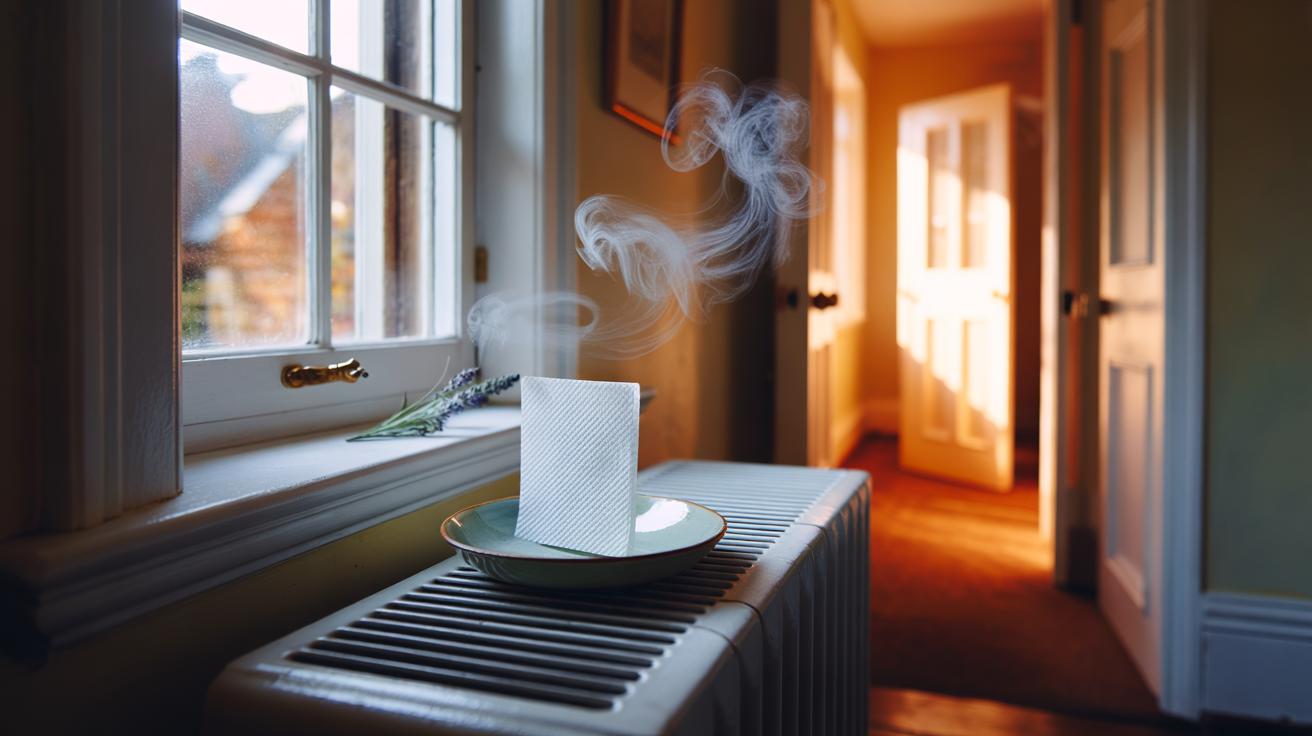
- 🌬️ Gentle heat from radiators volatilises fragrance oils in dryer sheets, and radiator-driven convection currents circulate a soft, whole-home scent with a gradual, long-lasting diffusion.
- 🔥 Prioritise safety: place the sheet on top of the radiator or on a ceramic saucer/trivet, avoid high-heat appliances (storage heaters, bar fires), limit to 60–120 minutes, and never block vents or thermostatic valves.
- 🧭 Optimise placement and performance: hallways and landings spread scent efficiently; expect a stronger first hour followed by a mellow background; wipe radiator tops to prevent residue that can dull heat output.
- 🛡️ Protect air quality and sensitivities: some sheets emit VOCs and musks; ventilate lightly, choose low-allergen options, use half-sheets if needed, and keep strong scents away from cots, pet areas, and migraine/asthma-prone occupants.
- 🌱 Consider eco-friendly alternatives: a radiator humidifier with a drop of essential oil (not in pet zones), lavender sachets, baking soda dishes, or reusable wool balls—guided by moderation for cleaner, controllable fragrance.
As the chill creeps across the UK and radiators hum back to life, a low-tech home hack is wafting into the spotlight: placing a dryer sheet on a warm radiator to scent the entire house. It sounds whimsical, yet the science is simple. Gentle heat encourages fragrance molecules to evaporate and ride the natural convection that radiators create. Used with care, the method can be thrifty, quick and surprisingly effective. The trick is keeping the heat modest so scent lifts without scorching. Below, we explore how the chemistry works, the safest way to try it, and what to consider for indoor air quality and sustainability.
How Gentle Heat Releases Fragrance
Dryer sheets carry perfume oils and fabric conditioners bound to a soft substrate. When exposed to gentle heat, those oils become more volatile, loosening from the sheet’s fibres and slipping into the air. Radiators help twice over: they warm the sheet and drive convection currents that circulate aroma through rooms and up stairwells. Because the heat is steady rather than fierce, fragrance diffuses gradually rather than in a sharp, fleeting burst. That steadiness is why a single sheet can scent several rooms, particularly in compact UK homes with internal doors ajar.
Central heating radiators typically sit at a surface warmth akin to a hot bath, which is friendlier to fragrance than a blow heater or open element. The sheet’s conditioners soften and slightly melt, acting as a slow-release matrix for volatile aroma compounds. The result is a gentler olfactory profile than a spray, with fewer “spikes” in intensity. Expect the most noticeable lift in the first hour, followed by a soft background note that can linger into the evening.
Step-by-Step: Safe Ways to Use Dryer Sheets on Radiators
Start with a single sheet and keep it flat on the radiator’s top, not draped down the front fins. If your radiator is freshly painted or unusually hot, place the sheet on a small ceramic saucer or a metal trivet to prevent residue transfer. If you cannot rest your palm on the radiator for a few seconds, it is too hot for this hack. Avoid storage heaters, fan heaters and electric bar fires entirely; the risk of overheating and off-odours is real. Leave the sheet for 60–120 minutes, then remove and dispose of it responsibly to avoid build-up of waxy conditioners.
Positioning matters. Hallways or landings push scent across floors, while a radiator near the front door delivers a friendly first impression without overwhelming the living room. Keep sheets away from thermostatic valves and never block vents. Do not use near cots or pet beds, and keep windows on the latch for light ventilation if the aroma feels strong. If you’re sensitive to fragrance, try half a sheet or an unscented sheet with a single drop of your preferred essential oil placed on a saucer.
| Radiator Type | Suitability | Tip |
|---|---|---|
| Water-filled central heating | Good | Place sheet on top; use a saucer on very warm units. |
| Oil-filled portable radiator | Good with care | Keep sheet on a trivet; never cover controls or grills. |
| Storage heater / electric bar fire | Not recommended | Heat is too high; risk of odour and safety issues. |
| Heated towel rail | Limited | Only on a saucer; avoid bathrooms lacking ventilation. |
Air Quality, Allergies, and Smarter Alternatives
Fragrance is personal, and indoor air deserves respect. Dryer sheets can carry VOCs, synthetic musks and quaternary ammonium compounds that some people find irritating. If you live with asthma, migraines or fragrance-sensitive family members, opt for a milder approach and air rooms daily for a few minutes, even in winter. Keep scents subtle; a hint that drifts is more comfortable than a constant cloud. Choose sheets labelled low-allergen or plant-based, and rotate aromas so your nose doesn’t fatigue. Pets, especially cats and birds, can be sensitive to strong smells; err on lighter usage and provide a fragrance-free refuge.
Prefer to skip dryer sheets altogether? Try a ceramic radiator humidifier with plain water and a single drop of essential oil (none for pet areas), a small sachet of dried lavender on a shelf above the radiator, or a teaspoon of baking soda in an open dish to tame stale odours. Reusable wool balls lightly scented and set on a saucer near warmth offer an eco-friendlier cycle. Small, repeatable rituals tend to be greener and easier to control than big fragrance blasts. Whatever you choose, wipe radiator tops occasionally to prevent residue from dulling heat output.
Used thoughtfully, the dryer sheet on a radiator is a quietly effective way to perfume a home, relying on gentle heat and everyday airflow rather than gadgets or aerosols. The key is moderation: short sessions, light ventilation and attention to sensitivities ensure comfort without compromise. Think of it as a background score, not a headline act. Whether you stick with this hack or pivot to natural sachets and ceramic diffusers, a little planning goes a long way toward a fresher, cosier winter. Which placement, fragrance or alternative method will you experiment with first to create your perfect indoor atmosphere?
Did you like it?4.5/5 (25)