In a nutshell
- 🧴 A light mist of 3% hydrogen peroxide on mattresses can kill dust mites on contact, reducing allergen exposure when applied correctly.
- ⚠️ Safe-use essentials: patch-test fabrics, use a fine mist (never soak), ensure full drying and ventilation, and never mix peroxide with bleach, ammonia, or vinegar.
- 🛡️ Not a full replacement: allergen-proof encasements, 60°C hot washes, HEPA vacuuming, and humidity control remain core long-term defenses.
- 💷 Cost and practicality: peroxide is cheap (£1–£3) and accessible, while encasements (£25–£70) and steam cleaning cost more; each method has clear trade-offs.
- 🔬 Evidence gaps and risks: real-world kill rates and egg impacts need study; watch for fabric lightening, trapped moisture in memory foam, and irritation in poorly ventilated rooms.
It sounds almost too simple: a light mist of hydrogen peroxide across your mattress to annihilate dust mites, sparing you the cost of pricey encasements. Cleaning professionals and some allergy specialists say the oxidising power of a 3% solution can disrupt mites on contact, reducing the allergens that aggravate sneezing, wheezing, and sleepless nights. Yet the household hack collides with a tangle of caveats: materials vary, moisture lingers, and sensitivities differ. This report explores the claim, the science behind it, and the practicalities of trying it at home. Always test fabrics first, and never soak a mattress. Done carefully, misting could be a low-cost tool in a broader anti-mite toolkit—if you respect its limits.
What Scientists and Cleaners Actually Claim
Dust mites are microscopic arachnids that thrive in warm, humid bedding, feeding on skin flakes and leaving behind allergen-laden droppings. Allergy advisors in the UK often recommend reducing humidity, washing sheets at 60°C, and HEPA vacuuming. Into that mix, some experts add a cautious nod to hydrogen peroxide as an oxidising agent. A 3% solution is commonplace in home first-aid kits and is known to disrupt biological membranes. The logic is simple: a fine mist enables brief contact on the outer layers of a mattress, potentially damaging mites and denaturing some allergenic proteins.
But does it work “instantly”? In lab settings, oxidisers can be rapidly lethal to soft-bodied organisms, yet field conditions are messier. Peroxide has to touch the mites to affect them, and it won’t penetrate deeply if you only mist lightly. Entomologists also note that eggs and mites buried within dense foams may be less exposed. The bottom line: promising mechanism, plausible results on contact, but uneven in real bedrooms.
How to Try a Peroxide Mist Safely at Home
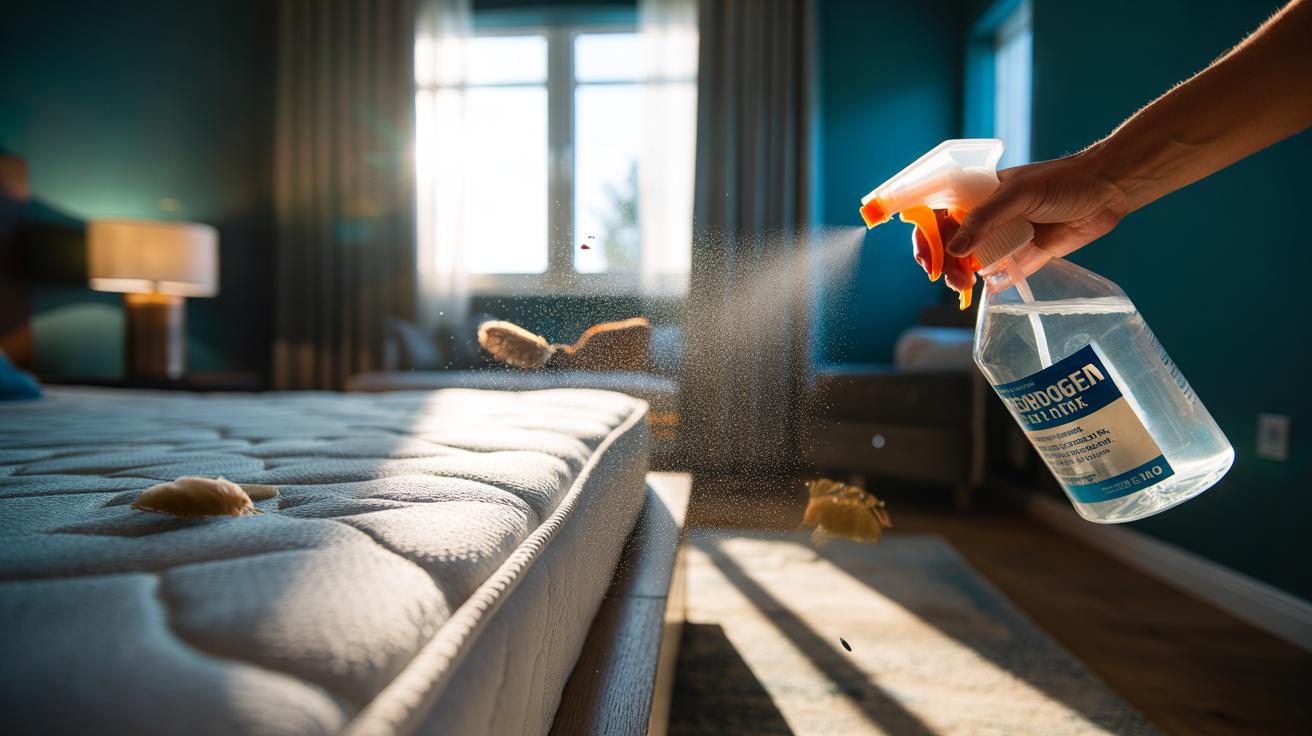
Use only a 3% solution. Decant into a clean, fine-mist spray bottle. Strip the bed, vacuum the mattress with a HEPA tool, then patch-test a hidden corner. Always test a small area and check for colour change or fabric stiffening after it dries. Spray from 30–50 cm in a light, even pass—think dew, not drizzle. Focus on seams and tufts where mites collect. Leave for 10–15 minutes, then blot any damp spots with a clean towel. Run a fan or open windows to speed drying; flip and repeat for the reverse side if accessible.
Important cautions apply. Never mix hydrogen peroxide with bleach, ammonia, or vinegar in the same container. Avoid soaking memory foam; trapped moisture risks odour and mould. Keep pets and children away until fully dry. If your mattress has a rayon, silk, or dyed-viscose blend top, be extra conservative—peroxide can lighten fabrics. Store the bottle in an opaque container away from heat and sunlight. Finish by vacuuming again to remove loosened debris, then remake the bed with freshly washed bedding.
Does It Replace Mattress Covers and Other Measures?
The viral claim says you can skip expensive covers. It’s partly true—misting can reduce mite load on the surface and costs pennies. Yet allergists often favour allergen-proof encasements because they trap mites and their droppings inside the mattress, reducing long-term exposure during sleep. Steam cleaning (>60°C), dehumidification, and frequent hot washing remain pillars of control. In practice, misting is a tactical clean-up; covers and routine laundering are strategic defences. For renters or those on tight budgets, peroxide can be a pragmatic stopgap, especially when combined with HEPA vacuuming and lower humidity.
Think in layers: fast-acting sprays, weekly hot washes, and barrier methods. If your symptoms are moderate to severe, medical guidance and a more robust plan may pay off. Here is a quick comparison to weigh costs and benefits.
| Method | Strengths | Limitations | Typical Cost (UK) |
|---|---|---|---|
| 3% Hydrogen Peroxide Mist | Cheap; easy; oxidises on contact | Surface-only; fabric lightening risk; needs drying | £1–£3 per bottle |
| Allergen-Proof Encasements | Blocks mite/allergen escape | Upfront cost; fit and zipper quality matter | £25–£70 per piece |
| Steam Cleaning | Heat kills mites; no chemicals | Moisture risk; device cost | £40–£150 (device) or service fee |
| Hot Wash (60°C) Bedding | Proven; routine-friendly | Energy use; not for delicate fabrics | Utility cost only |
Evidence, Risks, and What Experts Want Studied Next
Peer-reviewed data specifically on mattresses and peroxide-misting are sparse. Laboratory studies support the vulnerability of mites and allergens to oxidising and denaturing agents, but home environments vary wildly. Key unknowns include the kill rate in real bedrooms, the effect on mite eggs, and how long any benefit lasts. Researchers also want to test impacts on different ticking fabrics, foams, and adhesive layers used in modern mattresses, particularly those with cooling gels or phase-change covers.
Risks are manageable with care: fabric lightening, residual dampness, and respiratory irritation in poorly ventilated rooms. Avoid any application on electric blankets or integrated heaters. If you have asthma, step out during spraying and re-enter once fully dry. Many UK specialists emphasise combined control—lower humidity, HEPA filtration, hot washes, and targeted surface treatments. Used judiciously, peroxide can slot into that strategy as a low-cost, quick-acting assistant rather than a complete solution.
So, can hydrogen peroxide mist make expensive covers unnecessary? For some households, yes—at least temporarily—because it’s cheap, accessible, and effective on contact when applied carefully. Yet long-term allergy control usually benefits from layered measures that limit allergen exposure day after day. Keep applications light, allow full drying, and never mix chemicals. If symptoms persist, consider encasements, humidity control, and medical advice. In your own bedroom, what combination of quick fixes and lasting defences feels both affordable and sustainable for clearer breathing and better sleep?
Did you like it?4.7/5 (23)