In a nutshell
- 📰 Newspaper’s cellulose fibres use capillary action to wick moisture, slowing bacterial growth and adsorbing VOCs, keeping bins drier and odour-free.
- 🧰 Step-by-step lining: place 6–8 sheets crosshatched on the base, add overlapping side strips with a rim cuff, and optionally sprinkle bicarbonate of soda; replace when damp.
- 🧼 Maintenance and safety: check the lining each rubbish day, avoid glossy/coated paper, compost newsprint where allowed, and keep paper away from heat; add air holes and thicker pads for wheelie bins.
- 🛡️ Why it beats plastic: paper is breathable, spreads liquids thinly instead of puddling, reduces sour anaerobic smells, and can be paired with a light liner for convenience.
- ♻️ Eco and cost wins: leverages readily available newsprint, cuts plastic waste, simplifies cleaning, and fits everyday UK household routines without gadgets.
Kitchen and kerbside bins develop smells because food scraps and damp packaging create a warm, wet microclimate. A simple, low-cost fix sits on most doormats: old newspapers. Layered newsprint absorbs drips, slows bacterial activity, and traps volatile molecules before they aerosolise. By lining the base and sides of the bin with overlapping sheets, you build a breathable sponge that locks in moisture and grime. Dry waste smells less and is easier to manage. This guide explains why paper works so well, how to line bins for best results, and what to watch out for in busy UK households. Expect cleaner bins, fewer lingering odours and less plastic waste.
The Science of Newspaper and Odor Control
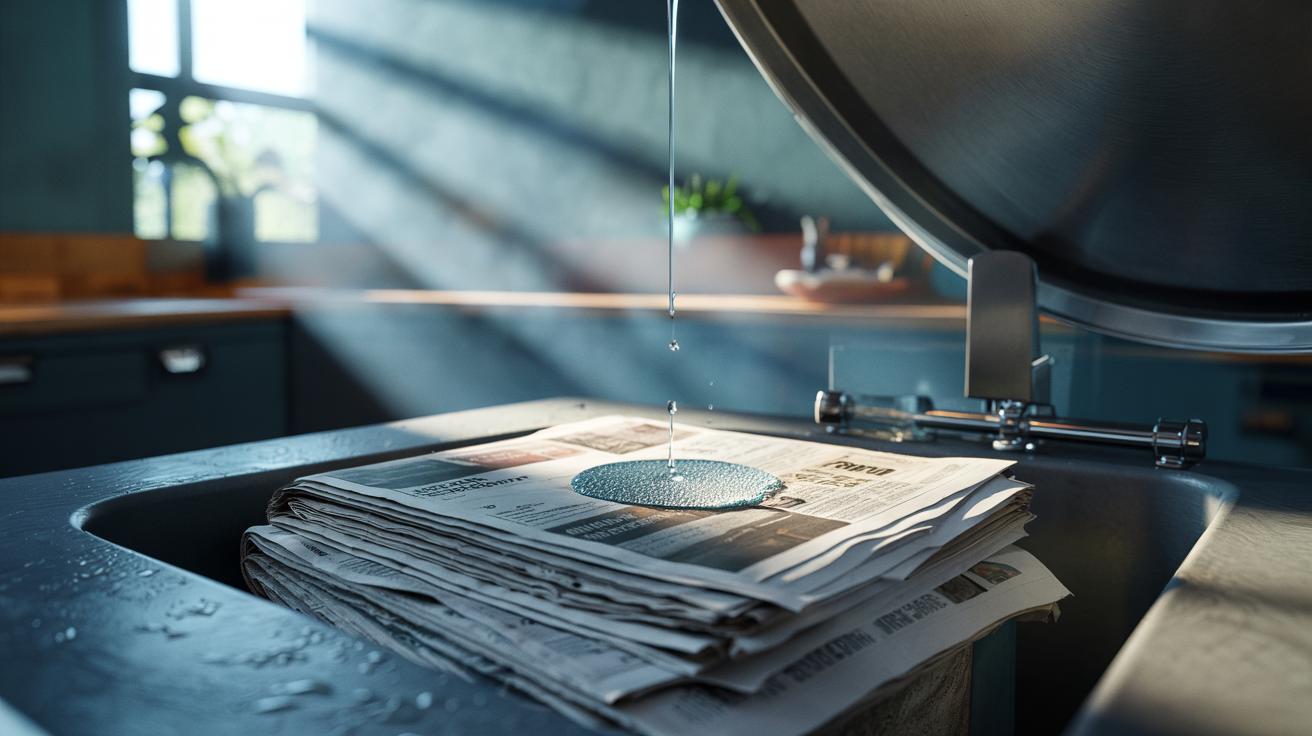
Newspaper is made from interlocking cellulose fibres that act like a microscopic forest. The spaces between fibres create a network of pores that pull in liquid through capillary action. Because cellulose is hygroscopic, it readily binds moisture, spreading it through the sheet so damp patches dry faster. That evaporation denies microbes the wet conditions they need to multiply, indirectly curbing odours. The fibrous matrix also slows the escape of volatile organic compounds (VOCs), the small molecules responsible for the “bin smell,” by temporarily adsorbing them onto the paper’s surface. Reduce moisture and you reduce odour at the source. Compared with smooth plastic liners, newsprint offers greater surface area and gentle wicking, which keeps drips from pooling at the bottom of the bin. The result is a drier, cleaner environment that’s easier to empty and less likely to leave residue or stink.
Step-by-Step: Lining Bins With Newspaper Layers
Start with clean, dry sheets. For a standard 30–50L kitchen bin, lay 6–8 sheets flat on the base, rotating each layer 90 degrees to create a crosshatched cushion. Fold two or three sheets into wide strips and run them up the inner walls, overlapping like roof tiles. Leave a 3–4 cm cuff over the rim to catch splashes. If your bin gets very wet, add a final sheet folded as a shallow “tray” for the base. Sprinkle a teaspoon of bicarbonate of soda between layers if you want extra odour buffering, though paper alone is effective. Replace the newspaper as soon as it feels damp or after any spill. When you empty the bin, lift out the paper pad and side strips in one go to remove sludge before it smears the plastic.
| Item | Purpose | Typical Amount |
|---|---|---|
| Newspaper sheets | Moisture wicking and odour adsorption | 8–12 sheets per 30–50L bin |
| Bicarbonate of soda (optional) | Buffers acids; reduces VOCs | 1–2 teaspoons between layers |
| Gloves (optional) | Clean handling | Reusable pair |
Maintenance, Safety, and Eco Considerations
Check the lining every rubbish day. If it’s damp, swap it out; if it’s dry, it can usually last another cycle. Never let wet paper sit for more than a couple of days, as trapped moisture eventually defeats the odour shield. Avoid glossy magazines and heavily coated flyers; they resist absorption and can smear inks. Modern UK newsprint generally uses low-odour, soy or vegetable-based inks, and small amounts can go into garden compost or food waste where your council permits. For wheelie bins, use a thicker base pad and pierce a few tiny air holes in the paper to prevent trapped water. Keep paper away from open flames or hot ash. If pests are an issue, double the base layers and ensure the lid seals properly. The aim is a dry bin interior and tidy removal, not overstuffing with paper.
Why Newspaper Beats Plastic Liners for Everyday Odor Control
Plastic liners trap liquids, creating foul-smelling puddles that leak when punctured. Newspaper offers a breathable, capillary buffer that spreads moisture thinly, helping it evaporate. That keeps residues from sticking and reduces the sour, anaerobic notes associated with wet organics. It also cuts plastic use and costs: most households have a steady supply of newsprint. Combine a light plastic liner with paper layers if you want the convenience of a bag plus the dryness of fibre. For food caddies, folded sheets create a tidy “envelope” that tips out cleanly on collection day. The goal isn’t perfect sterility, but consistent moisture control. With newsprint, odour management becomes passive: every drip meets absorbent fibres, every wafting compound meets a porous surface, and your bin stays fresher in between emptying.
Newspaper works because it controls the one factor that drives bin smells: water. By wicking and dispersing moisture, cellulose fibres starve bacteria of the conditions they love and slow the escape of smelly compounds. The method is cheap, scalable from caddies to wheelie bins, and cuts plastic waste without special gadgets. If you make swapping layers part of your bin routine, you’ll notice fewer lingering smells, cleaner sides, and faster cleaning days. Odour-free bins start with dry interiors and smart layering. What tweaks—extra side strips, a splash of bicarbonate, or different fold patterns—will you try to tailor the setup to your home and waste habits?
Did you like it?4.7/5 (21)