In a nutshell
- 🍋 The power of citrus essential oils (limonene, citral, linalool) lies in disrupting microbial membranes; paired with alcohol, they clean and deodorise while aiding grease removal.
- 🔬 Keep alcohol at a 60–70% final strength for credible action; use a solubiliser or castile soap to disperse oils, and consider distilled water—avoid vinegar on natural stone.
- ⚗️ Simple recipe (≈300 ml): 260 ml 70% alcohol + 20 ml water + 10 ml solubiliser (or 1 tsp castile) + 1–2 ml citrus oils; combine, bottle, label, and shake before use.
- 🧪 For use: pre-clean, spray until evenly damp, allow ~1 minute contact time, then wipe; rinse food-contact areas; best on non-porous surfaces like taps, sinks, and worktops.
- ⚠️ Safety: flammable, don’t mix with bleach or ammonia, ventilate, avoid use around sensitive pets, store in amber glass/HDPE; this DIY is not EN-certified for clinical settings.
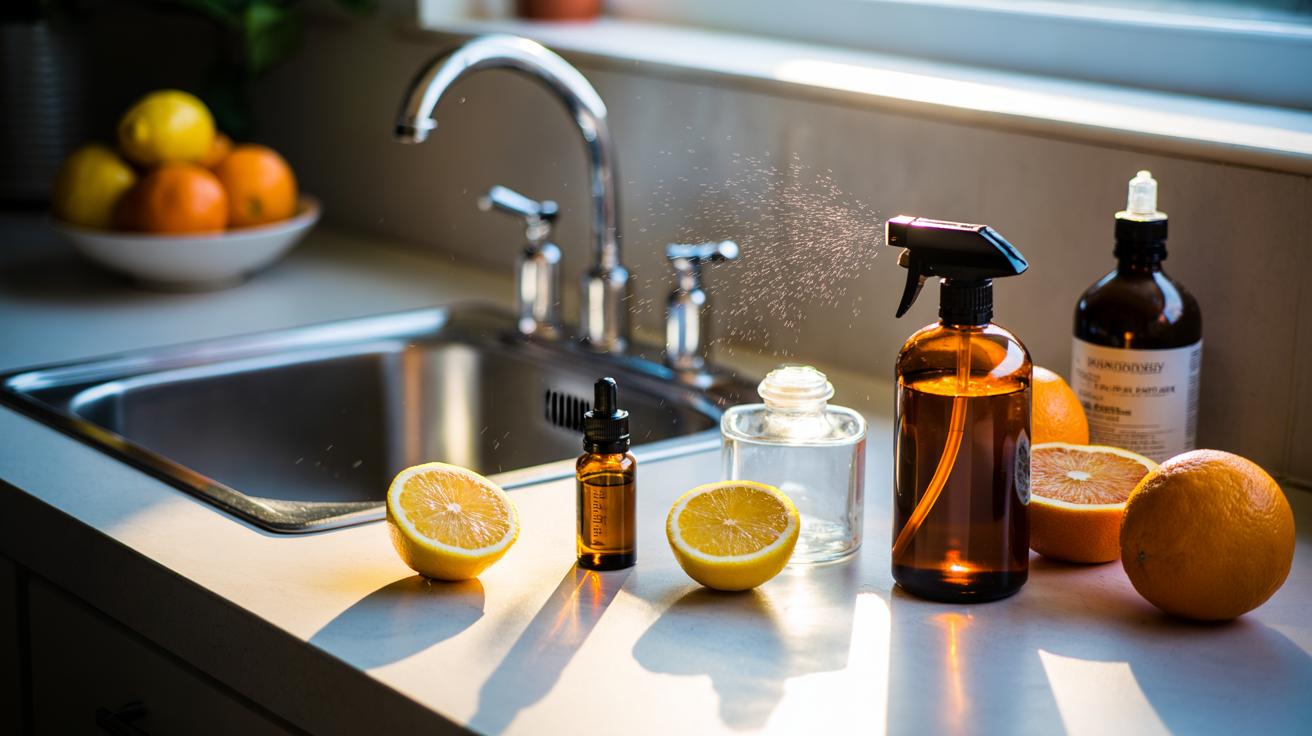
When you want your home to smell like a sunlit orchard and still tackle kitchen germs, a homemade citrus spray is a practical, planet-friendly choice. The secret lies in the chemistry: citrus essential oils contain compounds that disturb microbial membranes, while alcohol delivers fast, broad-spectrum action on hard surfaces. With a few well-chosen ingredients, you can make a spray that cuts grease, neutralises odours, and supports hygienic cleaning routines. Used correctly, alcohol-based citrus sprays can sanitise everyday surfaces and leave a bright, clean finish without harsh synthetic fragrances. What follows explains the science, the safe ratios that actually work, and a step-by-step method tested for clarity and reliability in a busy UK household.
The Science Behind Citrus Oils and Germs
Citrus essential oils—especially lemon, sweet orange, grapefruit, and bergamot (FCF)—are rich in limonene, citral, and linalool. These lipophilic molecules interact with microbial cell walls and membranes, compromising structure and function. In laboratory studies, they have shown antimicrobial effects against bacteria and some fungi, disrupting energy production and causing leakage of cellular contents. They are not bleach-equivalent, but they can weaken microbes and biofilms, making them easier to remove. Pairing them with alcohol improves performance: alcohol denatures proteins and dissolves lipid envelopes, while oils help penetrate grime and residues that can shield microbes.
Because essential oils are hydrophobic, a solubiliser (such as polysorbate 20) or a little unscented castile soap helps disperse them evenly, preventing separation and ensuring consistent contact. Alcohol concentration matters: maintaining a final strength of around 60–70% on the surface supports rapid action on many common households germs. The result is a formula that cleans, cuts grease, and supports hygienic practice, especially on non-porous kitchen and bathroom touchpoints.
What You Need and Why Each Ingredient Matters
A reliable citrus disinfectant-style spray hinges on a few essentials. Use 70% isopropyl alcohol or ethanol as the main solvent; this concentration is effective, evaporates cleanly, and helps distribute the oils. Add a solubiliser (5–10 ml per 300 ml batch) or 1 teaspoon of unscented liquid castile soap to stop oil separation and streaking. Choose 1–2 ml (about 20–40 drops) of high-quality citrus essential oils: lemon for crisp brightness, sweet orange for warmth, grapefruit for a tart, clean lift. Optional: 5–10 ml of white vinegar to assist with mineral films—avoid if using on stone.
Round out with distilled water to set the final alcohol strength between 60–70%. Use an amber glass or HDPE spray bottle to limit oxidation. Label with contents and date. Do not mix this formula with bleach or ammonia, and keep away from heat and flame—alcohol is highly flammable. For safety, avoid bergamot that is not marked FCF (furocoumarin-free), and keep the formula out of reach of children and pets, particularly cats sensitive to essential oils.
Step-by-Step: Make a Homemade Citrus Disinfectant Spray
For a ~300 ml batch targeting a surface alcohol strength around 62%, assemble: 260 ml 70% alcohol, 20 ml distilled water, 10 ml solubiliser (or 1 tsp castile soap), and 1–2 ml citrus essential oil blend. First, in a measuring jug, combine the solubiliser with your chosen citrus oils; stir until the liquid turns uniformly cloudy. Add the alcohol and mix gently. Top with distilled water. Decant into a clean spray bottle, fit the nozzle, and label with date, ingredients, and a reminder: flammable—keep away from ignition sources. Shake briefly before each use to ensure even dispersion.
| Component | Quantity (approx.) | Role |
|---|---|---|
| 70% alcohol (IPA or ethanol) | 260 ml | Primary antimicrobial action |
| Distilled water | 20 ml | Sets final strength (~62%) |
| Solubiliser or castile soap | 10 ml (or 1 tsp) | Disperses oils, reduces streaks |
| Citrus essential oils | 1–2 ml (20–40 drops) | Membrane disruption, degreasing, scent |
To use, pre-clean visibly dirty surfaces, spray until evenly damp, and allow a contact time of about one minute before wiping. On food-contact areas, rinse and dry after use. Patch test on plastics, painted finishes, and always avoid marble, limestone, and unsealed stone. Store tightly closed in a cool cupboard for up to three months; discard if the scent turns sharp or cloudy layers persist after shaking.
Safety, Storage, and Where DIY Works Best
Essential-oil and alcohol sprays shine on non-porous surfaces—worktops, taps, sinks, handles, and appliance fronts—where degreasing and fast evaporation are assets. They are less suitable for soft furnishings, unfinished wood, or natural stone. Because this is a DIY formula, it is not certified to EN standards and should not replace regulated products in clinical contexts. For routine household hygiene, though, it offers credible support when paired with sound cleaning: remove grime first, then apply spray for contact time. Always ventilate; citrus vapours can be potent in small rooms.
Store away from sunlight in an amber bottle to protect volatile compounds. Keep out of reach of children and pets; avoid use around cats and birds, and never apply on skin or pets. Do not mix with bleach or ammonia. If you prefer a softer scent, pair citrus with a trace of lavender or rosemary oil, staying under 0.7% total oil content to limit residue. As ever, label clearly and refresh the batch regularly.
A well-balanced citrus spray marries the bright, grease-cutting power of limonene-rich oils with the proven punch of alcohol, yielding a practical cleaner that feels as good as it smells. The key is proportion: keep the alcohol in the 60–70% window, disperse oils with a solubiliser, and respect contact time. Used thoughtfully, it lifts kitchens and bathrooms without the heavy chemical footprint of many conventional products. Which citrus profile—lemon, orange, grapefruit, or a custom blend—will you choose for your next batch, and where in your home will you put it to the test first?
Did you like it?4.5/5 (29)