In a nutshell
- 🧪 The formula: combine distilled water, white vinegar (acetic acid), a touch of isopropyl alcohol, and just one drop of soap to dissolve grime, speed evaporation, and avoid mineral residue for a streak-free finish.
- 🧴 Core ratios: about 70% water, 25% vinegar, 5% alcohol; for a 500 ml batch use 350 ml water, 120 ml vinegar, 30 ml alcohol, plus 1 drop soap; swap vinegar for citric acid or alcohol for vodka if needed.
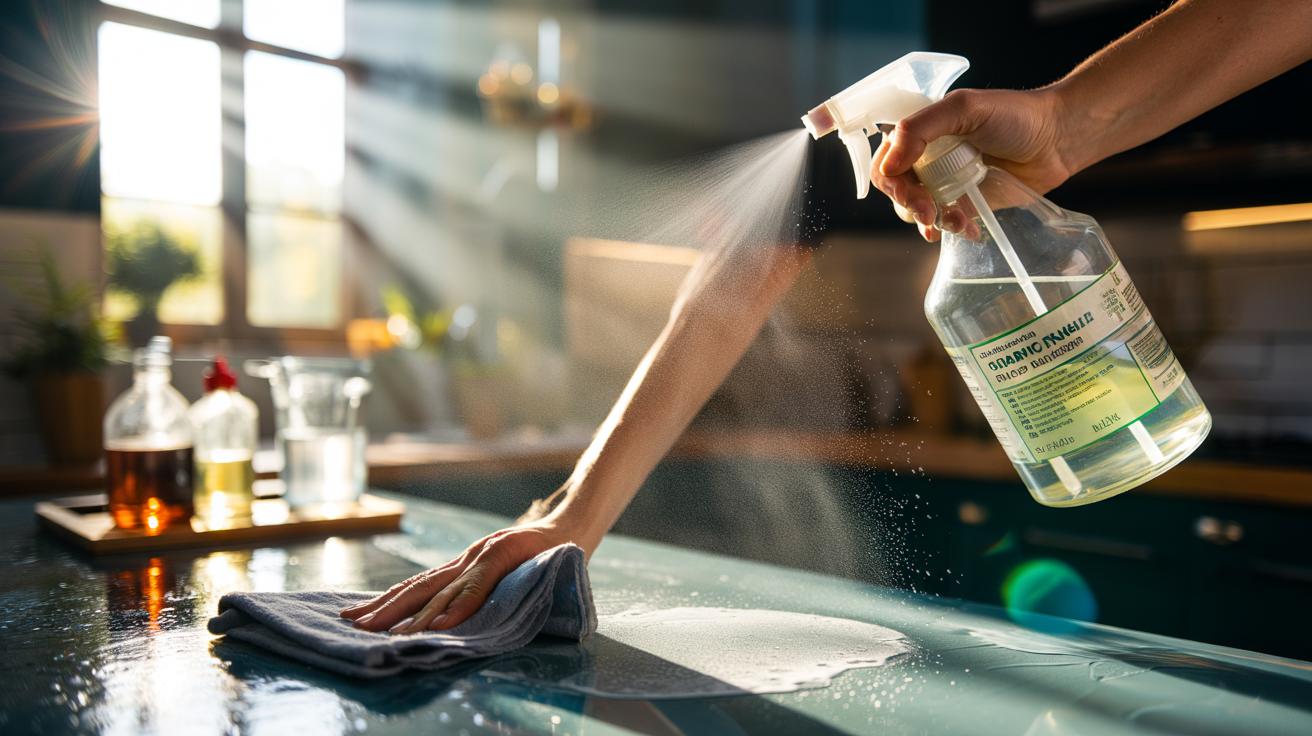
- 🧽 Technique and tools: mist lightly, wipe with a high-density microfibre, then buff with a glass weave or use a squeegee; work in shade, fold cloths, and wash microfibres without fabric softener to prevent smears.
- ⚠️ Safety and surfaces: Never mix vinegar with bleach; avoid vinegar on marble/limestone; test tinted or coated glass, and spray onto the cloth for car windows to limit overspray.
- 🔧 Troubleshooting: cloudy haze = too much soap; recurring spots = hard-water residue—buff with distilled water; in winter, increase alcohol to 50 ml/500 ml; stubborn fingerprints yield to a dab of neat isopropyl on the cloth.
Smudged panes, foggy patio doors, and the eternal question: why do commercial sprays often leave ghostly streaks? A natural window cleaner that genuinely dries clear isn’t wishful thinking; it’s chemistry done simply. Using common pantry items, you can mix a solution that cuts grease, evaporates fast, and doesn’t deposit residue. It’s cheap. It’s safer for pets and kids. And yes, it works on mirrors, glass tables, and car windows. With the right ratios, the right cloth, and a few procedural tweaks, you’ll get that crisp, gallery-glass finish at home. Here’s how to make it, why it works, and how to use it like a pro.
The Science of Streak-Free Shine
Streaks aren’t random; they’re residues that dry in uneven patterns. Tap water carries minerals that spot. Some detergents leave surfactants that smear when buffed. The fix is to balance three forces: dissolve grime, speed evaporation, and leave nothing behind. Vinegar (acetic acid) breaks down alkaline deposits and old cleaner films. Isopropyl alcohol accelerates dry-down, so droplets vanish before they can carve trails. Distilled water removes mineral variables at the source. Use distilled water to prevent mineral spots on glass and mirrors. The result is a quick clean with a neutral finish.
Ratios matter. Too much soap and you get haze; too little acid and limescale lingers at the edges. A reliable baseline is roughly 70% water, 25% vinegar, 5% alcohol, with a literal drop of gentle washing-up liquid for slip. That trace of surfactant helps the solution spread without beading, yet won’t overstay its welcome on the pane.
Ingredients and Safe Substitutions
Start with simple, cheap staples. Choose white distilled vinegar (5%) for clarity, isopropyl alcohol (70%) for fast evaporation, and distilled water for purity. Add one tiny drop of a non-moisturising washing-up liquid to reduce surface tension. Scent is optional; go sparingly with essential oils if you must. Never use vinegar on marble, limestone, or other acid-sensitive stone near splash zones. If vinegar’s odour bothers you, use citric acid instead—odourless and effective.
| Ingredient | Role | Amount (500 ml) | Possible Substitutions |
|---|---|---|---|
| Distilled water | Prevents mineral spots | 350 ml | Boiled, cooled tap water (less ideal) |
| White vinegar (5%) | Dissolves film and limescale | 120 ml | 5 g citric acid + 120 ml water |
| Isopropyl alcohol (70%) | Speeds evaporation | 30 ml | 40 ml vodka (40% ABV) |
| Washing-up liquid | Reduces surface tension | 1 drop | Mild castile soap, tiny drop |
Less soap equals fewer streaks. Essential oils? One to two drops max per 500 ml; citrus may cause slight smearing on hot glass. Keep the formula simple and you’ll get predictable, fast-drying clarity. Store in a labelled spray bottle, away from heat and direct sun.
Step-by-Step: Mix, Spray, Polish
1) Mix: Pour 350 ml distilled water into a clean spray bottle, add 120 ml vinegar, 30 ml isopropyl alcohol, and a single drop of washing-up liquid. Swirl gently. Label the bottle with the date. Never mix vinegar with bleach or chlorine-based products. If switching from a commercial cleaner, wash the bottle first to avoid surfactant build-up.
2) Prep the glass: Dust frames and sills. Remove cobwebs and grit that might scratch. If you’re dealing with heavy grease or smoke film, pre-wipe with a damp microfibre.
3) Clean: Spray lightly—mist, don’t soak. Wipe with a microfibre cloth using overlapping strokes, edges first, then centre. For large panes, use a squeegee in smooth vertical passes, wiping the blade after each run. Finish with a dry, tight-weave microfibre to buff. Work in shade. Hot glass accelerates evaporation and can trap streaks before you buff.
Tools and Techniques That Prevent Streaks
Cloths matter. Pick a lint-free, high-density microfibre (around 300–350 GSM) for the initial wipe and a tighter, glass-specific weave for the final buff. Fold into quarters to present fresh sides as you work. The classic Z-pattern reduces missed patches. A 25–30 cm squeegee makes quick work of patio doors; keep a smaller one for panes with mullions. Wash microfibres without fabric softener—softeners coat fibres and cause smears. Air-dry or tumble on low.
Technique is king. Tackle edges with the cloth’s folded corner, then sweep the field. Change to a dry buffing cloth the moment the first becomes damp. If using newspaper, ensure it’s modern soy ink and test first; some papers shed. For car windows, spray onto the cloth rather than the glass to avoid overspray on trim. Always finish horizontal edges and corners, where moisture gathers and spots form.
Troubleshooting Common Problems
Cloudy film after drying? That’s often excess surfactant. Remake the solution with no more than a single drop of soap, then re-clean using distilled water and a fresh cloth. Persistent spots that reappear as the pane dries signal hard-water remnants; switch to distilled water only for the final buff. Diagonal haze is a giveaway that your buffing cloth is damp—swap immediately.
Winter smearing occurs when cold glass slows evaporation unevenly. Increase alcohol to 50 ml per 500 ml batch and warm the room slightly. Oily fingerprints that resist? Spot-treat with a tiny dab of neat isopropyl on a corner of the cloth, then blend out. Tinted automotive glass or anti-glare coatings need gentler handling: test a hidden area, skip essential oils, and avoid abrasives. Keep vinegar well away from natural stone surrounds and unfinished timber; wipe any splashes promptly with plain water.
With a handful of familiar ingredients, you can make a reliable, streak-free window cleaner that dries fast, smells clean, and costs pennies per bottle. The key is balance: mild acid to cut film, a touch of alcohol for speed, and pure water to leave nothing behind. Pair it with smart technique and the right cloth, and your panes will gleam in any light. Ready to tweak the recipe to your home and climate—perhaps a touch more alcohol for winter or a citric swap for vinegar-sensitive noses—what combination will you try first to nail that crystal finish?
Did you like it?4.6/5 (23)