In a nutshell
- ❄️ Science: Freezing drives gum toward its glass transition, turning it brittle and reducing adhesion via thermal contraction—so it cracks off with minimal force.
- 🧰 Practical method: Use a bagged ice cube for 2–5 minutes, then lift with a blunt card or spoon; for fabrics, freeze 30–60 minutes if needed; protect finishes and fibres.
- 🔁 Smart add‑ons: After snapping bulk, use isopropyl alcohol on plastics/metals and a detergent pre‑wash for fabrics; a compressed‑air duster can embrittle quickly—ventilate and test first.
- 🧼 Finish well: For carpets, blot with mild detergent; nourish leather with leather balm; wipe wood with microfibre; avoid oils that create stains or dull varnish.
- 🌍 Safety & care: Wear gloves, use plastic tools, and prevent frostbite; dispose of gum responsibly and choose biodegradable gum; remember, patience beats force—cold, lift, then gentle clean.
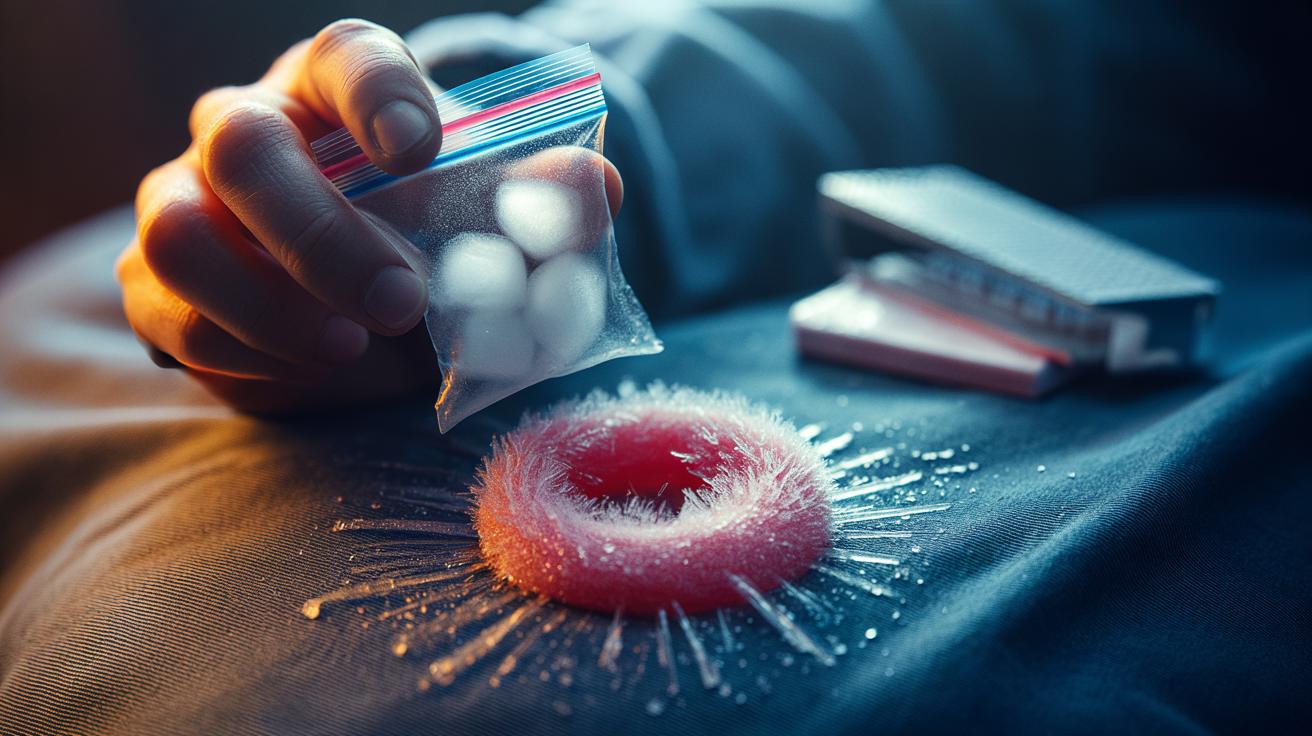
Stuck chewing gum can ruin a school blazer, snag a favourite rug, or leave a tacky blot on a park bench. The simplest fix is surprisingly low-tech: hold an ice cube against the blob until it freezes, then flick it off in brittle chips. This quick chill transforms gummy elasticity into a crisp crackle, making removal gentler on fibres and finishes. Cold is your friend because it changes the gum’s behaviour, not because it dissolves it. Below, we unpack the science, offer step-by-step guidance for fabric, hair, and hard surfaces, and lay out best-practice clean-up—so you can restore clothes and kit without harsh scraping or solvents.
Why Freezing Works on Chewing Gum
Chewing gum is built on a polymer-rich base—typically synthetic rubbers and resins—that behaves as a viscoelastic solid at room temperature. When you lower its temperature, the gum’s polymer chains lose mobility and approach their glass transition region. In practical terms, that soft, stretchy mass becomes brittle. As the gum stiffens, the internal stress concentrates along tiny defects and at the interface with the fabric or surface, so it fractures under light prying. This shift from elastic to glassy response is the key to cracking gum free with minimal force.
Cooling also cuts adhesion. Gum contracts more than many substrates during chilling, weakening contact and reducing tack. Any residual moisture at the interface can form a thin frost layer, further lowering grip. That is why a simple ice cube—ideally in a bag to avoid drips—can outperform warm scraping or detergents. You are not dissolving the gum, you are leveraging thermal contraction and a phase-like change in mechanical behaviour to make it let go cleanly.
Step-by-Step: Ice-Cube Method for Common Surfaces
For fabrics: place an ice cube in a small freezer bag to keep textiles dry. Press on the gum for 2–5 minutes until it feels rock hard. Slide a blunt edge (bank card, spoon) under the gum and lift in short, shallow motions. Repeat chilling if it softens. For stubborn blobs, set the garment in the freezer (sealed in a bag) for 30–60 minutes, then snap the gum off over a bin. Do not attack fibres with knives or rigid metal blades.
For carpets and upholstery: use a gel ice pack or several cubes in a bag to localise cold and prevent soaking the underlay. Freeze thoroughly, then pick away small shards with a plastic scraper, working from the edges inward. Vacuum crumbs with the nozzle to avoid pushing fragments deeper. On wood or lacquered furniture, interpose a bagged cube to prevent water rings; once the gum is brittle, nudge it off with a fingernail or plastic spatula.
For hair and shoe soles: pinch a bagged cube around the wad for 2–3 minutes, then crack and slide out the pieces. On hair, finish with a dab of conditioner to release any film. On trainers, a short freezer stint firms the gum lodged in treads; flex the sole to pop it free. Work patiently—the colder it gets, the less force you need.
Alternatives and When to Combine Methods
Freezing solves most cases, but combinations can speed clean-up. After snapping off the bulk, a light wipe with isopropyl alcohol removes leftover sheen on many plastics and metals. On washable fabrics, rub a drop of liquid detergent into any shadow before laundering. For delicate items (silk, suede), rely longer on cold and gentle nibbling rather than solvents. In a pinch, an inverted compressed-air duster delivers a blast of very cold propellant for fast embrittlement—use sparingly and ventilate well. Always protect finishes first; test before treating the main area.
| Surface | Primary Method | Backup Aid | Caution |
|---|---|---|---|
| Cotton/Denim | Ice, snap off | Liquid detergent pre-wash | Check colourfastness |
| Wool/Silk | Extended freezing | Specialist cleaner | Avoid alcohols/oils |
| Carpet/Upholstery | Bagged ice, scrape | Enzyme spot remover | Prevent soaking |
| Wood/Leather | Bagged ice, lift | Saddle soap or balm | Protect finish |
| Hair | Ice, crack off | Conditioner to detangle | No harsh solvents |
Avoid oily “peanut butter cures” on absorbent textiles; they often replace one problem with a greasy stain. Citrus-based removers (d‑limonene) can help on sealed hard surfaces but may dull varnish. Never mix chemicals and always ventilate. If the gum is deeply embedded, repeat freeze–lift cycles rather than escalating force.
Stain, Residue, and Safety Considerations
Once the gum is off, address residue. On washable clothes, massage a pea-sized amount of liquid detergent into the spot, wait 10 minutes, then launder at 30–40°C. For carpets, blot with a small amount of warm water and mild detergent, then rinse and blot dry. On leather, use bagged ice to lift, then nourish with a leather balm. Finished wood benefits from a gentle pass with a microfibre cloth; avoid abrasives that cut through lacquer. Always test in an inconspicuous area before any solvent or cleaner touches the main surface.
Safety matters. Prolonged contact with inverted air-duster propellant can cause frostbite; wear gloves and keep cans upright unless the label allows otherwise. Use plastic tools to spare fibres and coatings. Dispose of gum in a bin; the synthetic base persists in the environment. Choosing biodegradable gum reduces long-term litter impact. Patience beats force—cold, then careful lifting, then gentle cleaning delivers the cleanest outcomes with the least collateral damage.
The humble ice cube remains the neatest answer to a sticky nuisance because it changes the gum’s physics, not your surface. By turning stretch into snap, you lower adhesion and avoid gouges, scratches, and smears. Keep a few freezer bags ready for fabrics and furniture, work slowly with a blunt scraper, and finish with the mildest cleaner that does the job. If you face a tricky material—velvet, antique wood, delicate dyes—would you try a longer freeze-and-flick routine first, or call in a specialist for peace of mind?
Did you like it?4.4/5 (27)